Tired of the Yo-Yo? Unlock Sustainable Fat Loss with Smart Nutrition!
Have you ever felt caught in the endless cycle of crash diets, rapid weight loss, and then, inevitably, gaining it all back – sometimes even more? It's a frustrating, often disheartening journey many of us know too well. The good news? Sustainable fat loss isn't about deprivation or extreme measures; it's about understanding your body and fueling it intelligently. This isn't just another diet plan; it's an evidence-based approach to nutrition that empowers you to build lasting habits, feel great, and achieve the body composition you desire, without sacrificing your well-being or sanity.
Forget the quick fixes and embrace a lifestyle change that's both effective and enjoyable. We're going to dive into the core nutritional strategies that support genuine, long-term fat loss, focusing on how to make smart, informed choices that benefit your health from the inside out. Ready to transform your relationship with food and your body? Let's get started! this excellent wellness product
The Foundation: Why a Calorie Deficit Matters (and How to Achieve It Smartly)
At its heart, fat loss boils down to one fundamental principle: consuming fewer calories than your body burns. This creates a “calorie deficit,” forcing your body to tap into its stored fat reserves for energy. Sounds simple, right? While the concept is straightforward, the execution is where many go wrong, often opting for extreme deficits that are unsustainable and detrimental to health.
- Not Too Much, Not Too Little: A healthy, sustainable calorie deficit is typically 300-500 calories below your daily maintenance needs. This allows for steady fat loss (around 1-2 pounds per week) without slowing down your metabolism or causing excessive hunger and fatigue.
- Focus on Nutrient Density: Instead of simply eating less, focus on eating better. Choose whole, unprocessed foods that are rich in nutrients but lower in calories. This strategy helps you feel fuller and more satisfied on fewer calories.
- Track, Don't Obsess: Briefly tracking your food intake can be incredibly insightful for understanding your current eating habits and identifying areas for improvement. However, it's a tool, not a life sentence. The goal is to learn, not to become obsessed.
Power Up with Protein: Your Fat Loss Ally
If there's one macronutrient that deserves a standing ovation for its role in fat loss, it's protein. Often overlooked or underestimated, adequate protein intake is a game-changer for several reasons, making it a cornerstone of any successful fat loss strategy.
- Satiety Superstar: Protein is incredibly filling. Including a good source of protein at every meal helps you feel fuller for longer, reducing the likelihood of overeating and mindless snacking.
- Muscle Preservation: When you're in a calorie deficit, your body can sometimes break down muscle tissue for energy. Protein helps to preserve your precious muscle mass, which is crucial because muscle burns more calories at rest than fat does.
- Thermic Effect of Food (TEF): Protein has the highest TEF among all macronutrients. This means your body expends more energy (calories) digesting and metabolizing protein compared to carbohydrates or fats.
- Smart Protein Choices: Lean meats (chicken, turkey, lean beef), fish, eggs, dairy (Greek yogurt, cottage cheese), legumes (lentils, beans), and plant-based protein powders are excellent sources. Aim for 20-30 grams of protein per meal.
Embrace Fiber: The Unsung Hero of Satiety and Gut Health
Fiber often doesn't get the glamour it deserves, but it's an absolute powerhouse for fat loss and overall health. Think of it as your digestive system's best friend, working tirelessly to keep things running smoothly and helping you feel satisfied.
- Fullness Factor: Fiber adds bulk to your meals without adding many calories. It expands in your stomach, signaling to your brain that you're full, which helps control appetite and prevent overeating.
- Blood Sugar Stability: Soluble fiber, in particular, slows down the absorption of sugar into your bloodstream. This prevents rapid spikes and crashes in blood sugar, which can lead to cravings and energy dips.
- Gut Health Connection: A healthy gut microbiome is increasingly linked to healthy weight management. Fiber acts as prebiotics, feeding the beneficial bacteria in your gut, which can positively influence metabolism and inflammation.
- Fiber-Rich Foods: Load up on fruits (berries, apples), vegetables (broccoli, spinach, carrots), whole grains (oats, quinoa, brown rice), and legumes (beans, chickpeas).
Don't Fear Healthy Fats: Essential for Hormones and Fullness
For years, fat was demonized, leading many to believe that all fat makes you fat. We now know this isn't true! Healthy fats are absolutely essential for your body's optimal functioning, playing crucial roles in hormone production, nutrient absorption, and even fat loss itself.
- Satiety and Flavor: Healthy fats add richness and flavor to your meals, making them more enjoyable and satisfying. They also slow down digestion, contributing to a feeling of fullness that lasts longer.
- Hormonal Balance: Fats are critical for the production of hormones, including those involved in appetite regulation and metabolism. Depriving your body of healthy fats can disrupt these delicate balances.
- Nutrient Absorption: Many essential vitamins (A, D, E, K) are fat-soluble, meaning your body needs fat to absorb them properly.
- Smart Fat Choices: Avocados, nuts (almonds, walnuts), seeds (chia, flax, pumpkin), olive oil, and fatty fish (salmon, mackerel) are excellent sources of healthy monounsaturated and polyunsaturated fats. Remember, while healthy, fats are calorie-dense, so moderation is key.
Strategic Carbohydrates: Fueling Your Body Without Sabotaging Goals
Carbohydrates have also had their share of bad press, but they are your body's primary source of energy. The key is to choose the right kind of carbohydrates and consume them strategically to support your fat loss goals and energy levels.
- Complex vs. Simple: Focus on complex carbohydrates, which are found in whole, unprocessed foods. These are digested slowly, providing a steady release of energy and preventing blood sugar spikes. Simple carbs (sugary drinks, white bread, pastries) offer quick energy but can lead to crashes and increased fat storage.
- Fuel for Activity: If you're exercising regularly, carbohydrates are vital for fueling your workouts and aiding recovery. Timing your carb intake around your physical activity can be a smart strategy.
- Smart Carb Choices: Opt for whole grains like oats, quinoa, brown rice, whole-wheat bread, and starchy vegetables like sweet potatoes and squash. These also come packed with fiber and essential micronutrients.
Beyond Macros: Hydration, Mindful Eating, and Consistency
While focusing on protein, fiber, and healthy fats is crucial, sustainable fat loss isn't just about macronutrients. It also involves cultivating habits that support your overall well-being and make healthy eating feel effortless.
- Hydration is Key: Often mistaken for hunger, thirst can lead to unnecessary snacking. Drinking plenty of water throughout the day can help manage appetite, boost metabolism, and keep you energized. Aim for 8 glasses (or more!) daily.
- Mindful Eating: Slow down and pay attention to your food. Savor each bite, listen to your body's hunger and fullness cues, and eat without distractions. This helps you recognize when you're truly satisfied and prevents overeating.
- Consistency Over Perfection: No one eats perfectly all the time, and that's okay! Sustainable fat loss is about making consistent healthy choices most of the time, not about striving for an impossible ideal. Don't let one less-than-perfect meal derail your entire week.
Building Your Sustainable Plate: Practical Tips for Every Meal
Putting all these principles into practice might seem daunting at first, but it's simpler than you think. Here’s how you can build a balanced, fat-loss-friendly plate at every meal:
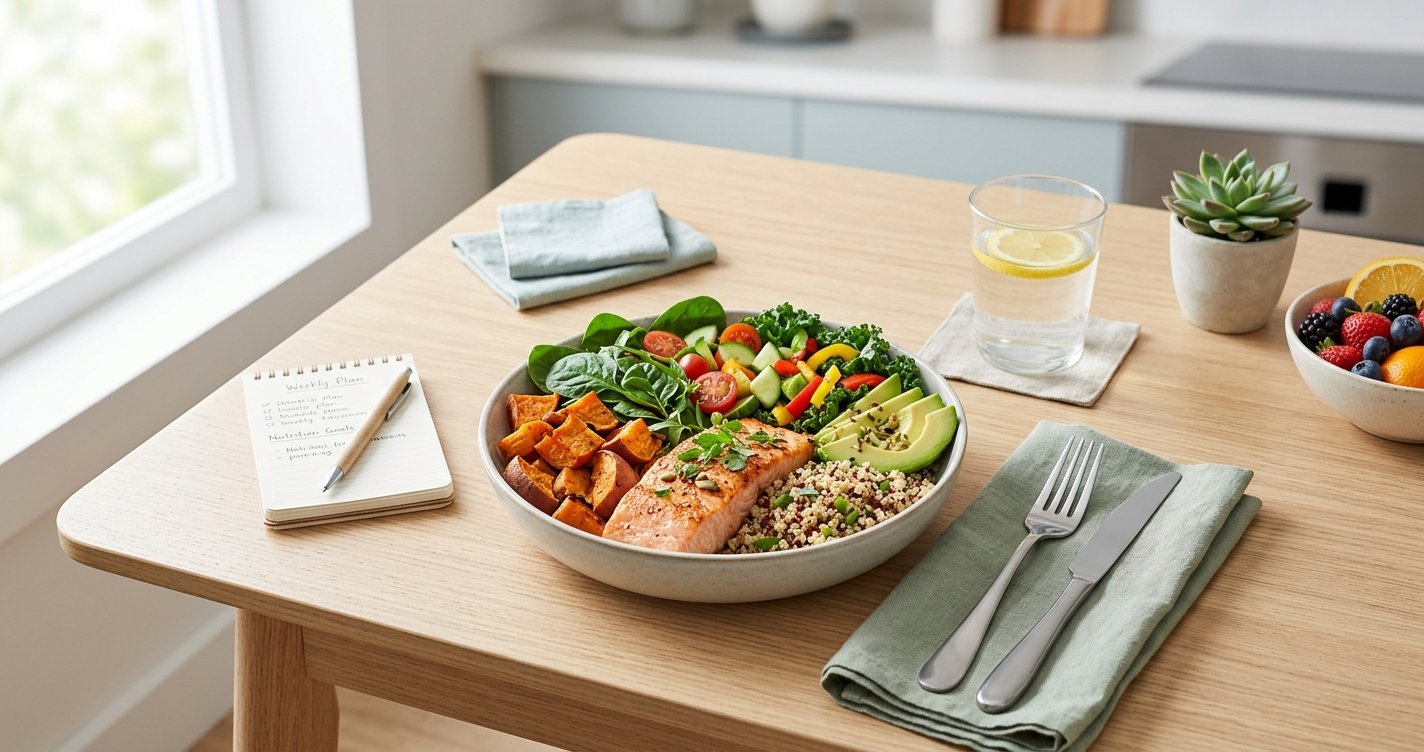
- The 50/25/25 Rule: A great guideline is to fill half your plate with non-starchy vegetables (fiber!), a quarter with lean protein, and a quarter with complex carbohydrates.
- Plan Ahead: Meal prepping or at least planning your meals can drastically reduce stress and the likelihood of making impulsive, unhealthy choices when hunger strikes.
- Smart Snacking: If you need snacks, choose options that combine protein and fiber, like Greek yogurt with berries, an apple with a handful of almonds, or vegetable sticks with hummus.
- Cook at Home: Taking control of your ingredients and cooking methods gives you immense power over your nutrition. Experiment with healthy recipes and flavors!
Your Journey to Lasting Fat Loss Starts Now!
Embarking on a sustainable fat loss journey isn't about dieting; it's about evolving your relationship with food and your body. By prioritizing smart nutrition – focusing on adequate protein, abundant fiber, healthy fats, and strategic carbohydrates – you're not just losing weight; you're building a healthier, more vibrant you from the inside out.
Remember, this is a marathon, not a sprint. Be patient with yourself, celebrate small victories, and stay consistent. You have the power to transform your body and your health, not through deprivation, but through delicious, nourishing, and intelligent food choices. Here's to a healthier, happier, and more confident you – for good!