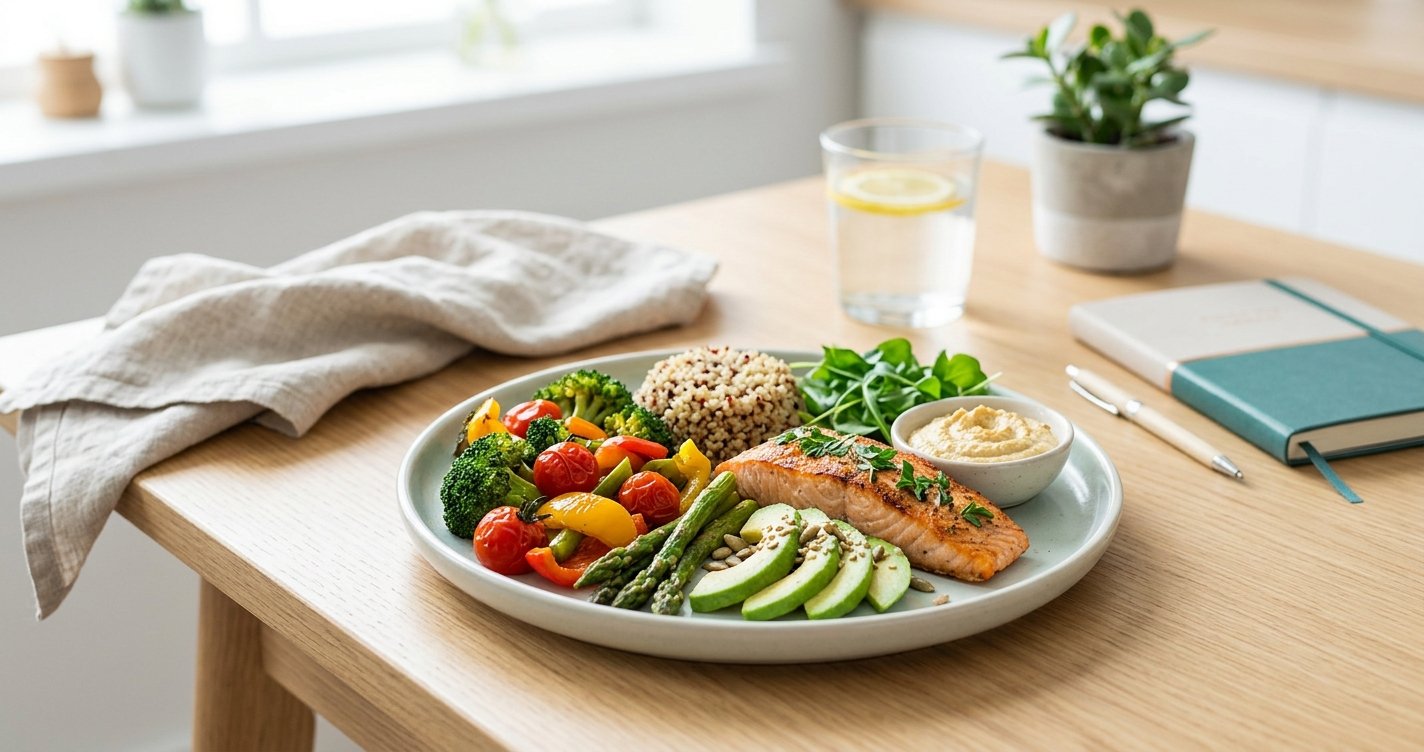
Hey there, amazing reader! Are you tired of the endless cycle of restrictive diets, quick-fix promises, and disappointing results when it comes to fat loss? You're not alone. Many of us have been down that road, only to find ourselves back where we started, feeling frustrated and defeated. But what if there was a better way? A way that focuses on nourishing your body, building healthy habits, and achieving results that actually last?
Welcome to your comprehensive guide to sustainable fat loss through smart nutrition. This isn't about deprivation; it's about empowerment. We're going to dive into evidence-based strategies that help you understand your body, fuel it correctly, and create a lifestyle that supports your goals, not just for a few weeks, but for life. Get ready to transform your relationship with food and unlock the secret to lasting success! this excellent wellness product
Why "Quick Fixes" Don't Last (And What Does!)
The allure of a rapid solution is powerful. "Lose 10 pounds in a week!" "Detox your way to a new you!" These headlines grab our attention because they promise immediate gratification. However, most quick-fix diets are built on extreme calorie restriction, elimination of entire food groups, or reliance on expensive supplements. While they might deliver initial weight loss (often water weight and muscle, not just fat!), they are incredibly difficult to maintain long-term.
Why do they fail? Our bodies are smart. Extreme restriction often triggers survival mechanisms, slowing metabolism and increasing cravings. Plus, these diets rarely teach you sustainable eating habits. Once you stop the diet, old habits creep back in, and the weight (and often more) returns. True, sustainable fat loss isn't about a sprint; it's about a marathon. It's about making gradual, manageable changes that integrate seamlessly into your daily life, leading to consistent, healthy progress that you can maintain forever.
The Foundational Pillars of Sustainable Fat Loss Nutrition
Pillar 1: Calorie Awareness, Not Obsession
At its core, fat loss comes down to a simple principle: consuming fewer calories than your body burns. This is known as a calorie deficit. Understanding your approximate daily calorie needs (your Total Daily Energy Expenditure or TDEE) is crucial. You can use online calculators to get an estimate, factoring in your age, sex, weight, height, and activity level.
The goal isn't to starve yourself, but to create a moderate deficit (typically 300-500 calories below your TDEE) that allows for steady fat loss without sacrificing energy or muscle. You don't need to meticulously track every single calorie forever, but having an awareness of portion sizes and the caloric density of different foods is incredibly empowering. Think of it as learning a new language – once you grasp the basics, you can navigate with confidence.
Pillar 2: Protein Power for Satiety and Muscle Preservation
If there's one macronutrient to prioritize for fat loss, it's protein. Here's why:
- Satiety: Protein is incredibly filling. Including a good source of protein at each meal helps you feel fuller for longer, reducing the urge to snack unnecessarily.
- Thermic Effect: Your body uses more energy to digest and metabolize protein compared to carbs or fats. This means you burn a few extra calories just by eating it!
- Muscle Preservation: When you're in a calorie deficit, your body can sometimes break down muscle tissue for energy. Adequate protein intake helps protect your precious muscle mass, which is vital for maintaining a healthy metabolism.
Aim for lean protein sources like chicken breast, turkey, fish, lean beef, eggs, Greek yogurt, cottage cheese, tofu, lentils, and beans. A general guideline is to consume 0.7-1 gram of protein per pound of body weight per day, spread across your meals.
Pillar 3: Smart Carb Choices for Energy and Fiber
Carbohydrates have gotten a bad rap in some diet circles, but they are your body's primary source of energy. The key is to choose the right kind of carbs. Focus on complex carbohydrates, which are rich in fiber and provide a steady release of energy, preventing blood sugar spikes and crashes.
Excellent sources of smart carbs include whole grains (oats, brown rice, quinoa, whole-wheat bread), fruits, and vegetables. These foods also pack a powerful punch of vitamins, minerals, and antioxidants. Fiber, in particular, is a superhero for fat loss: it adds bulk to your meals, promotes digestive health, and further enhances satiety. Limit refined carbohydrates like white bread, sugary drinks, pastries, and candies, which offer little nutritional value and can hinder your progress.
Pillar 4: Healthy Fats: Essential for Hormones and Fullness
Don't fear fats! Healthy fats are crucial for hormone production, nutrient absorption, and overall health. They also contribute to satiety, helping you feel satisfied after meals. However, fats are calorie-dense, so portion control is important.
Focus on unsaturated fats found in avocados, nuts, seeds, olive oil, and fatty fish (like salmon and mackerel). These provide essential omega-3 fatty acids, which have numerous health benefits. Limit saturated and trans fats found in processed foods, fried items, and some animal products, as these can negatively impact heart health.
Beyond Macros: Other Crucial Nutrition Strategies
Hydration: Your Secret Weapon
Often overlooked, water is fundamental for fat loss and overall health. Staying well-hydrated supports your metabolism, aids digestion, and can even help manage hunger. Sometimes, what feels like hunger is actually thirst! Aim to drink plenty of water throughout the day, especially before meals. Keep a water bottle handy as a constant reminder.
Mindful Eating: Connecting with Your Body
In our fast-paced world, we often eat on autopilot. Mindful eating means paying attention to your food – its taste, texture, and smell – and tuning into your body's hunger and fullness cues. Eat slowly, chew thoroughly, and put your fork down between bites. Avoid distractions like TV or your phone. This practice helps you recognize when you're truly satisfied, preventing overeating and fostering a healthier relationship with food.
Strategic Snacking (or Not!)
Snacking isn't inherently bad, but it needs to be strategic. If you find yourself genuinely hungry between meals, opt for nutrient-dense snacks that provide protein and fiber to keep you full. Think Greek yogurt with berries, a handful of almonds, an apple with peanut butter, or vegetable sticks with hummus. If your meals are well-balanced and you feel satisfied, you might not need to snack at all!
Meal Timing and Frequency: What Really Matters?
The internet is rife with conflicting advice on meal timing. Should you eat 6 small meals or 3 large ones? Is intermittent fasting the key? The truth is, for fat loss, the total calories and nutrient quality you consume over 24 hours are far more important than when you eat them or how often. Find a meal frequency that fits your schedule, lifestyle, and helps you manage hunger effectively. Consistency is key.
Building Your Personalized Sustainable Nutrition Plan
Start Small, Build Gradually
Don't try to overhaul your entire diet overnight. That's a recipe for burnout. Instead, pick one or two small changes to focus on each week. Maybe it's adding a serving of vegetables to every meal, swapping sugary drinks for water, or ensuring you eat protein at breakfast. Small, consistent wins build momentum and confidence, leading to lasting habits.
Learn to Read Labels
Empower yourself by understanding what's in your food. Pay attention to serving sizes, calories, protein, fiber, and sugar content. Look for whole, unprocessed foods with minimal ingredients. The more you understand food labels, the better choices you can make for your body.
Prepare for Plateaus and Slip-ups
Your fat loss journey won't always be a straight line. You'll encounter plateaus where progress seems to stall, and there will be times when you deviate from your plan. This is normal! Don't let a slip-up derail your entire effort. Acknowledge it, learn from it, and get back on track with your next meal. Consistency over time, not perfection every single day, is what truly matters.
The Power of Consistency Over Perfection
Remember, sustainability is the name of the game. Aim for 80-90% adherence to your healthy eating principles, and allow for some flexibility and enjoyment in the remaining 10-20%. This balanced approach prevents feelings of deprivation and makes your nutrition plan something you can stick with for the long haul. Celebrate your progress, learn from your challenges, and keep moving forward.
Your Journey to a Healthier You Starts Now!
Sustainable fat loss through smart nutrition isn't a magical secret; it's a commitment to understanding and nourishing your body. By focusing on calorie awareness, prioritizing protein, making smart carb and fat choices, staying hydrated, and practicing mindful eating, you're building a foundation for lasting success.
This journey is about more than just a number on the scale; it's about feeling energized, confident, and healthy. Take these principles, apply them gradually, and be patient with yourself. You have the power to create a healthier, happier you – one smart food choice at a time. What small, sustainable change will you make today?