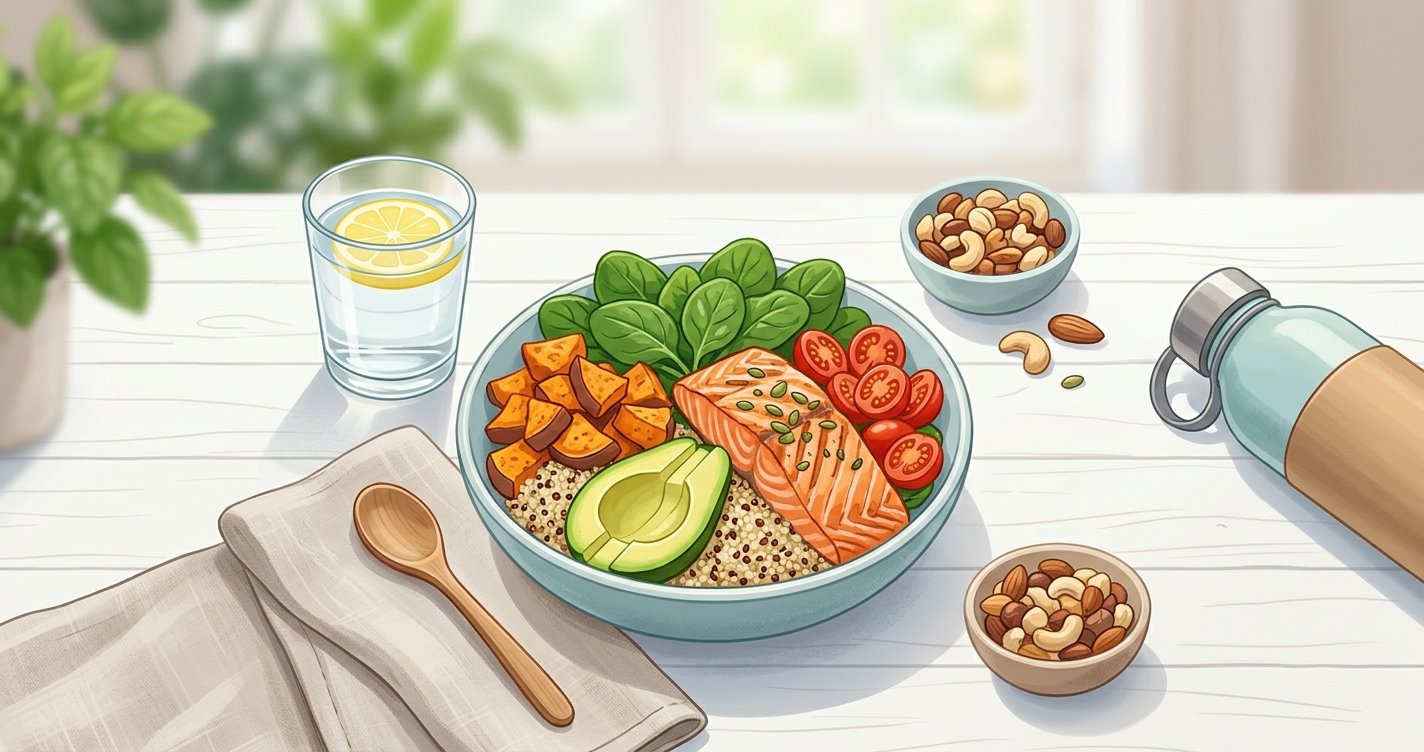
Are you tired of the endless cycle of crash diets, restrictive eating, and frustrating plateaus? You're not alone. Many people embark on a fat loss journey with enthusiasm, only to be met with unsustainable methods that leave them feeling deprived, discouraged, and often, heavier than when they started. The truth is, sustainable fat loss isn't about deprivation; it's about smart nutrition choices that nourish your body, keep you feeling full, and create a gentle, consistent calorie deficit over time. It’s about building habits you can stick with for life, not just for a few weeks.
In this comprehensive guide, we'll ditch the fads and focus on evidence-based strategies to help you achieve lasting fat loss through intelligent eating. Get ready to transform your relationship with food and unlock a healthier, happier you, without ever feeling like you're on a 'diet.' this excellent wellness product
The Core Principle: Understanding Your Calorie Deficit (Without Starving!)
At its heart, fat loss boils down to one fundamental principle: consuming fewer calories than your body burns. This is known as a calorie deficit. While this might sound intimidating, it doesn't mean eating tiny portions or feeling constantly hungry. The key is to create a *modest* and *sustainable* deficit, typically 300-500 calories below your maintenance level.
Think of it this way: your body needs a certain amount of energy (calories) to function daily, even at rest. This is your Basal Metabolic Rate (BMR). Add in your daily activities and exercise, and you get your Total Daily Energy Expenditure (TDEE). To lose fat, you need to consistently eat less than your TDEE. Tools like online calculators can estimate your TDEE, but listening to your body and tracking your intake for a few days can give you a more personalized starting point. Remember, slow and steady wins the race here – extreme deficits are counterproductive, often leading to muscle loss, nutrient deficiencies, and rebound weight gain.
Protein Power: Your Secret Weapon for Fat Loss
If there's one macronutrient to prioritize for fat loss, it's protein. Protein is an absolute game-changer, and here's why:
- Satiety Superstar: Protein is incredibly filling. Studies consistently show that a higher protein intake helps reduce appetite and makes you feel fuller for longer, naturally leading to lower calorie consumption throughout the day.
- Muscle Preservation: When you're in a calorie deficit, your body can sometimes break down muscle tissue for energy. Adequate protein intake helps protect your precious muscle mass, which is crucial because muscle burns more calories at rest than fat does.
- Thermic Effect of Food (TEF): Protein has a higher TEF than carbs or fats. This means your body expends more energy (calories) digesting and metabolizing protein. It's like a mini calorie burn just from eating!
How to Boost Your Protein Intake:
- Include a lean protein source with every meal: chicken breast, turkey, fish, lean beef, eggs, Greek yogurt, cottage cheese, tofu, lentils, beans, or protein powder.
- Snack on protein-rich options like hard-boiled eggs, a handful of almonds, or a Greek yogurt.
- Aim for roughly 0.7-1 gram of protein per pound of your target body weight.
Fiber-Rich Foods: The Unsung Heroes of Satiety and Gut Health
Often overlooked, dietary fiber plays a monumental role in sustainable fat loss and overall well-being. Fiber-rich foods are typically lower in calories and packed with essential nutrients, making them perfect for your journey.
- Keeps You Full: Like protein, fiber adds bulk to your meals, helping you feel satisfied and reducing the urge to overeat. Soluble fiber, in particular, forms a gel-like substance in your digestive tract, slowing down digestion and nutrient absorption.
- Blood Sugar Control: Fiber helps stabilize blood sugar levels, preventing those sharp spikes and crashes that can lead to cravings and energy slumps.
- Gut Health Champion: A healthy gut microbiome is increasingly linked to metabolic health and weight management. Fiber acts as a prebiotic, feeding the beneficial bacteria in your gut.
Excellent Sources of Fiber:
- Vegetables: Broccoli, spinach, kale, Brussels sprouts, carrots, bell peppers.
- Fruits: Berries, apples (with skin), pears, oranges, bananas.
- Legumes: Black beans, lentils, chickpeas.
- Whole Grains: Oats, quinoa, brown rice, whole-wheat bread.
Smart Carb Choices: Fueling Your Body, Not Just Storing Fat
Carbohydrates have often been demonized in the fat loss world, but they are your body's primary energy source. The key isn't to eliminate them, but to choose the *right* carbs.
- Complex Carbs vs. Simple Carbs: Focus on complex carbohydrates (whole grains, vegetables, fruits) which are digested slowly, providing sustained energy and preventing blood sugar spikes. Limit simple carbs (sugary drinks, white bread, pastries) which offer little nutritional value and can contribute to fat storage.
- Portion Control: Even healthy carbs can contribute to excess calories if consumed in large quantities. Be mindful of your portions, especially with grains.
- Timing: Consider consuming more of your carbohydrates around your workouts to fuel performance and aid recovery.
Healthy Fats: Essential for Hormones and Fullness
Just like carbs, fats have gotten a bad rap, but healthy fats are absolutely vital for your health and can even aid in fat loss. They're essential for hormone production, nutrient absorption (especially fat-soluble vitamins A, D, E, K), and brain function.
- Satiety Factor: Fats are calorie-dense, meaning a small amount can contribute significantly to feelings of fullness and satisfaction, helping to curb cravings.
- Types of Healthy Fats: Focus on monounsaturated and polyunsaturated fats, including Omega-3s.
Where to Find Healthy Fats:
- Avocado
- Nuts (almonds, walnuts, cashews) and seeds (chia, flax, pumpkin)
- Olive oil, avocado oil
- Fatty fish (salmon, mackerel, sardines)
Remember, while healthy, fats are also the most calorie-dense macronutrient (9 calories per gram vs. 4 for protein/carbs), so portion control is paramount.
Hydration, Sleep, and Stress: The Often-Overlooked Pillars
While nutrition is paramount, these lifestyle factors significantly impact your body's ability to lose fat:
- Hydration: Drinking enough water (aim for 8 glasses a day, more if active) can boost metabolism, help you feel full, and prevent you from mistaking thirst for hunger.
- Sleep: Poor sleep disrupts hormones that regulate appetite (ghrelin and leptin), leading to increased cravings and reduced willpower. Aim for 7-9 hours of quality sleep per night.
- Stress Management: Chronic stress elevates cortisol levels, a hormone that can promote fat storage, especially around the midsection. Incorporate stress-reducing activities like meditation, yoga, or spending time in nature.
Mindset Matters: Cultivating Patience and Consistency
Sustainable fat loss is a marathon, not a sprint. There will be good days and challenging days. Your mindset is your most powerful tool:
- Patience is Key: Fat loss is rarely linear. Expect fluctuations and celebrate small victories.
- Consistency Over Perfection: Don't let one 'off' meal or day derail your entire journey. Get back on track with your next meal.
- Self-Compassion: Be kind to yourself. This is a journey of learning and growth. Focus on progress, not perfection.
- Focus on Health, Not Just the Scale: Notice improvements in energy, mood, sleep, and how your clothes fit. The scale is just one metric.
Your Journey to Sustainable Fat Loss Starts Now!
Embarking on a sustainable fat loss journey through smart nutrition is one of the best investments you can make in your health. By prioritizing protein, fiber, healthy fats, and smart carbohydrate choices, you'll feel satisfied, energized, and empowered. Combine these nutritional strategies with adequate hydration, quality sleep, and stress management, and you're setting yourself up for not just fat loss, but a lifetime of vibrant health.
Forget the quick fixes and embrace the power of consistent, mindful nutrition. Your body will thank you for it. Start making small, positive changes today, and watch as they build into significant, lasting results. You've got this!