Embarking on a fat loss journey can often feel like navigating a complex maze, filled with conflicting advice, restrictive diets, and the constant pressure to see rapid results. We've all been there, chasing the latest fad only to find ourselves back where we started, feeling frustrated and defeated. But what if we told you that sustainable fat loss isn't about deprivation or extreme measures, but rather about understanding your body and making smarter, evidence-based nutritional choices?
This isn't another quick-fix guide. Instead, we're diving deep into the science of sustainable fat loss, focusing on how smart nutrition, beyond just counting calories, can empower you to achieve your goals and maintain them for good. Get ready to transform your relationship with food and unlock a healthier, happier you! this excellent wellness product
The Calorie Deficit: The Non-Negotiable Foundation, But Not the Whole Story
Let's start with the fundamental truth of fat loss: you must consume fewer calories than your body expends. This is known as creating a calorie deficit. Think of your body as a car; if you put less fuel in than you burn, eventually, you'll start using the reserves (stored fat) to keep going.
What is a Calorie Deficit?
Your body burns calories constantly, even at rest, for basic functions like breathing, circulation, and digestion (your Basal Metabolic Rate or BMR). Add to that the energy you expend through daily activities and exercise, and you get your Total Daily Energy Expenditure (TDEE). To lose fat, your calorie intake needs to be consistently below your TDEE.
How to Calculate Your Starting Point
While precise calculations can be complex, you can estimate your TDEE using online calculators (which factor in your age, sex, weight, height, and activity level). Once you have an estimate, aim for a modest deficit of 300-500 calories per day. This typically leads to a healthy and sustainable fat loss of 1-2 pounds per week. Remember, this is a starting point; your body will adapt, and you may need to adjust over time.
However, focusing solely on the 'number' of calories can be misleading. Not all calories are created equal when it comes to satiety, nutrient density, and how your body processes them. This brings us to the crucial part: the quality of your calories.
Beyond the Numbers: The Quality of Your Calories Matters
Imagine two scenarios: 500 calories from a sugary donut and 500 calories from a lean chicken breast with a large serving of vegetables. Both are 500 calories, but their impact on your body, hunger levels, and overall health couldn't be more different.
Whole Foods vs. Processed Foods
Whole, unprocessed foods are your best friends on a fat loss journey. They are typically:
- Nutrient-Dense: Packed with vitamins, minerals, antioxidants, and other beneficial compounds that support overall health and optimal bodily function.
- High in Fiber: Fiber is a game-changer for satiety, digestive health, and blood sugar regulation.
- More Filling: Due to their fiber and water content, whole foods tend to keep you feeling fuller for longer, reducing the likelihood of overeating.
Processed foods, on the other hand, are often high in refined sugars, unhealthy fats, and sodium, while being low in essential nutrients. They can lead to energy crashes, increased cravings, and make it much harder to stick to your calorie deficit.
Macronutrients: Your Building Blocks for Success
Macronutrients—protein, carbohydrates, and fats—are the three pillars of your diet. Getting the right balance of these is key to fueling your body, preserving muscle mass, and feeling satisfied while losing fat.
Protein: Your Satiety & Muscle Guardian
Protein is arguably the most critical macronutrient for fat loss. Here's why:
- High Thermic Effect: Your body expends more energy (calories) to digest and metabolize protein compared to carbs or fats.
- Satiety Powerhouse: Protein is incredibly filling. Including adequate protein in each meal helps reduce hunger and cravings throughout the day.
- Muscle Preservation: When you're in a calorie deficit, your body might break down muscle tissue for energy. Sufficient protein intake helps protect your precious muscle mass, which is vital for maintaining a healthy metabolism.
Aim for 0.7-1 gram of protein per pound of body weight (or target body weight) daily. Excellent sources include lean meats, poultry, fish, eggs, dairy, legumes, and tofu.
Healthy Fats: Essential for Hormones & Flavor
Don't fear fats! While calorie-dense, healthy fats are essential for hormone production, nutrient absorption, and providing sustained energy. They also add flavor and contribute to satiety.
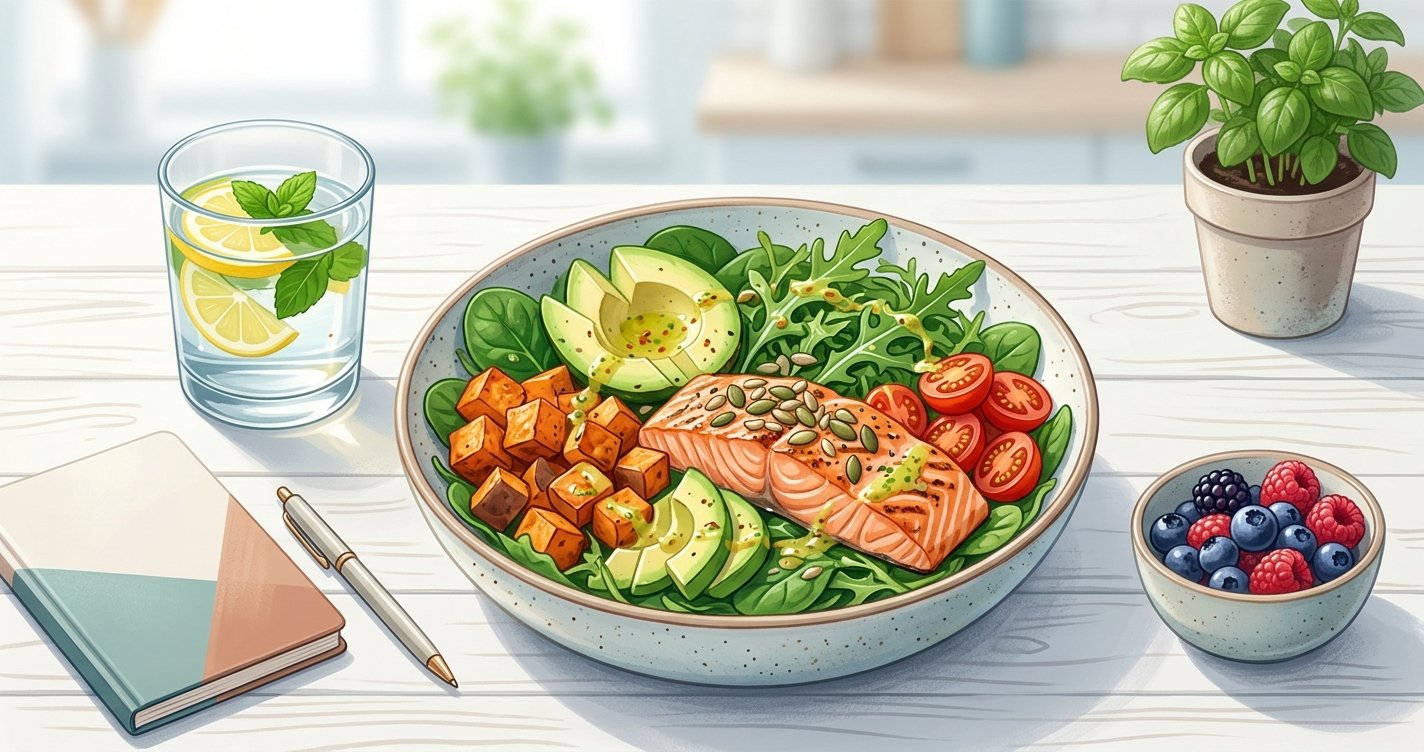
Focus on monounsaturated and polyunsaturated fats found in avocados, nuts, seeds, olive oil, and fatty fish (like salmon). Limit trans fats and excessive saturated fats. A good starting point is 20-30% of your daily calories from healthy fats.
Complex Carbohydrates: Fueling Your Body Smartly
Carbohydrates are your body's primary energy source. The key is choosing the right kind. Opt for complex carbohydrates over simple, refined carbs.
- Complex Carbs: Found in whole grains (oats, brown rice, quinoa), vegetables, and fruits. They are rich in fiber, providing a slow and steady release of energy, which prevents blood sugar spikes and crashes.
- Simple Carbs: Found in sugary drinks, white bread, pastries. They offer quick energy but can lead to energy dips and increased hunger.
The remaining portion of your calories (after protein and fat) should come from complex carbohydrates, tailored to your activity level.
The Power of Fiber and Water: Your Secret Weapons
These two often-overlooked elements play a monumental role in your fat loss success.
Fiber: The Satiety Superstar
We've touched on fiber, but it deserves its own spotlight. Dietary fiber, found in fruits, vegetables, whole grains, and legumes, is indigestible, meaning it passes through your system relatively intact. This has incredible benefits:
- It adds bulk to your meals, making you feel fuller without adding many calories.
- It slows down digestion, leading to a more gradual release of glucose into your bloodstream, preventing energy crashes.
- It promotes healthy digestion and gut health.
Aim for 25-38 grams of fiber per day from whole food sources.
Hydration: Often Overlooked, Always Important
Water is life, and it's also a powerful tool for fat loss. Staying adequately hydrated:
- Can help you feel fuller, potentially reducing overall calorie intake.
- Is crucial for metabolic processes, including the burning of fat.
- Supports kidney function and helps transport nutrients.
Often, thirst is mistaken for hunger. Keep a water bottle handy and aim for 8-10 glasses (2-3 liters) of water daily.
Strategic Meal Timing & Mindful Eating for Better Results
While the 'when' you eat might be less critical than the 'what' and 'how much,' these strategies can significantly enhance your journey.
Meal Frequency: What Does the Evidence Say?
The old advice of eating 6 small meals a day to 'stoke your metabolism' has largely been debunked. Research suggests that total daily calorie and macronutrient intake are far more important than meal frequency for fat loss. Whether you prefer 3 larger meals or 4-5 smaller ones, choose a pattern that fits your lifestyle and helps you manage hunger effectively.
Mindful Eating: Connecting with Your Body's Signals
This is where you shift from just eating to truly experiencing your food. Mindful eating involves:
- Eating slowly and savoring each bite.
- Paying attention to hunger and fullness cues.
- Minimizing distractions (no screens!).
- Understanding your emotional relationship with food.
This practice helps prevent overeating and fosters a healthier, more intuitive eating pattern.
Practical Tips for Sustainable Nutrition Habits
Knowledge is power, but application is key. Here are some actionable tips to integrate smart nutrition into your daily life:
- Prioritize Protein at Every Meal: Start your day with protein (e.g., eggs, Greek yogurt) and ensure it's a staple in lunch and dinner.
- Fill Half Your Plate with Veggies: Non-starchy vegetables are low in calories, high in fiber and nutrients. Load up!
- Smart Snacking: If you need snacks, choose options like fruit, nuts, seeds, Greek yogurt, or vegetable sticks with hummus.
- Meal Prepping: Dedicate a few hours each week to prepare healthy meals and snacks in advance. This saves time and prevents impulse unhealthy choices.
- Learn to Read Labels: Understand serving sizes, calorie counts, and the amount of protein, fiber, sugar, and unhealthy fats.
- Don't Fear the Occasional Treat: Sustainable fat loss allows for flexibility. A planned treat now and then can prevent feelings of deprivation and make the journey more enjoyable. The 80/20 rule (80% healthy, 20% flexible) works well for many.
- Listen to Your Body: Pay attention to how different foods make you feel. Are you energized or sluggish? Hungry soon after or satisfied?
Embrace the Journey: Sustainable Fat Loss is Within Your Reach
Sustainable fat loss isn't a race; it's a marathon of consistent, smart choices. By understanding the foundational role of a calorie deficit and then elevating your approach with nutrient-dense, whole foods, balanced macronutrients, ample fiber, and hydration, you're not just losing weight—you're building a healthier, more resilient you.
Remember, progress isn't always linear. There will be good days and challenging days, and that's perfectly normal. Be patient with yourself, celebrate small victories, and focus on building habits that you can maintain for life. With this evidence-based, friendly, and encouraging approach, you have all the tools you need to unlock sustainable fat loss and truly thrive!