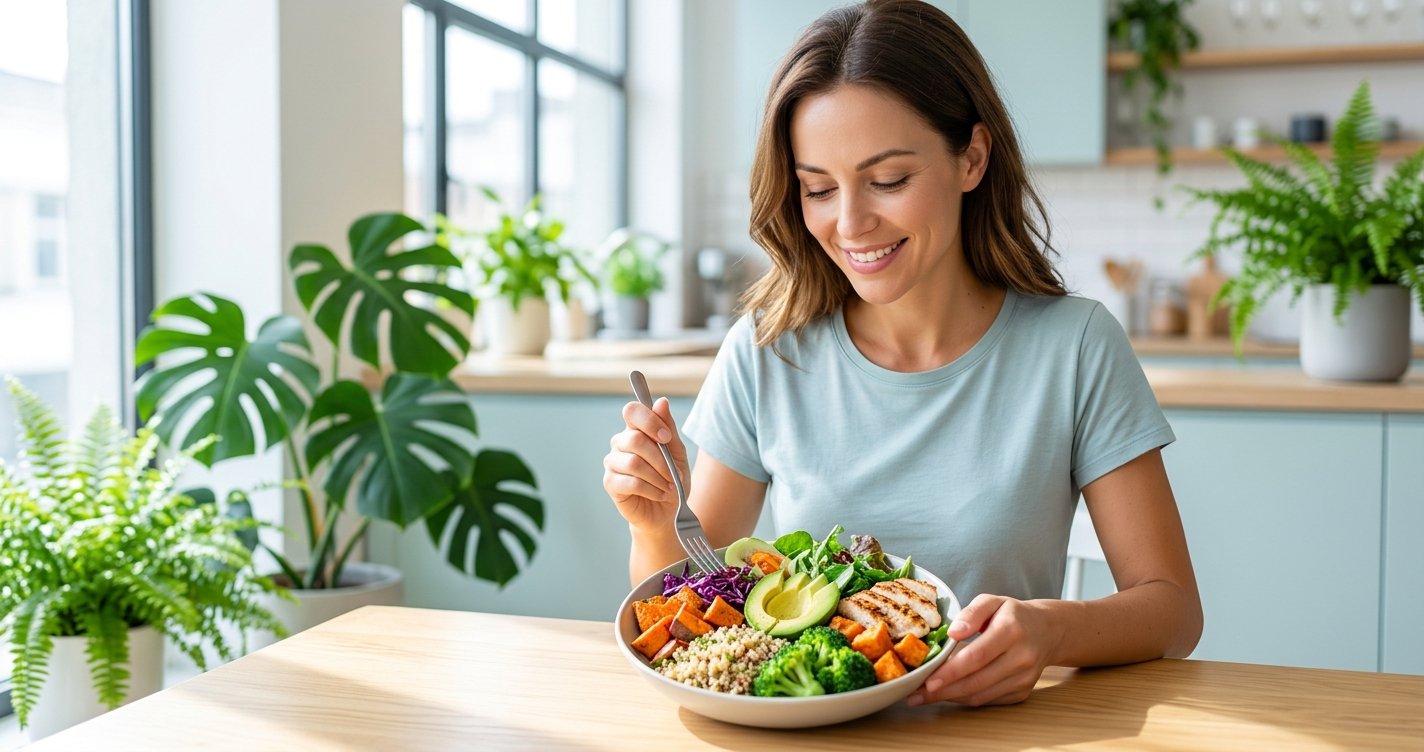
Beyond the Scale: Your Ultimate Guide to Sustainable Fat Loss Through Smart Nutrition
Hey there, health seeker! Are you tired of the endless cycle of restrictive diets, quick fixes, and the frustration of seeing the scale yo-yo? You’re not alone. Many of us embark on a fat loss journey with the best intentions, only to find ourselves burnt out, hungry, and no closer to our goals. But what if I told you there’s a more compassionate, evidence-based, and ultimately sustainable way to achieve lasting fat loss? It’s not about deprivation; it’s about smart nutrition.
This guide isn't about counting every single calorie or following a rigid meal plan that leaves you feeling miserable. Instead, we'll dive into practical, powerful nutrition strategies that support your body, boost your metabolism, and help you build habits that stick for life. Get ready to transform your approach to eating and unlock a healthier, happier you, all without the guilt or the grind! this excellent wellness product
The Core Principle: Understanding the Calorie Deficit (Without Obsession)
Let's get one thing straight: at its most fundamental level, fat loss requires a calorie deficit. This means you consume fewer calories than your body burns over a sustained period. Think of it like balancing a budget – if you spend more than you earn, you go into debt. If you eat more calories than you burn, your body stores the excess, often as fat.
What is a Calorie Deficit?
Simply put, a calorie deficit is the energy gap between the calories you consume and the calories your body expends. Your body burns calories just to exist (your basal metabolic rate or BMR), plus additional calories through physical activity (walking, exercising, even fidgeting) and digesting food (the thermic effect of food or TEF). To lose fat, you need to consistently consume slightly less than this total daily energy expenditure (TDEE).
Why "Obsession" Isn't the Answer
While the calorie deficit is non-negotiable for fat loss, obsessively counting every single calorie can be mentally draining, lead to disordered eating patterns, and simply isn't sustainable for most people long-term. Our goal here is to create a deficit through smart food choices that naturally lead to lower calorie intake while keeping you feeling full, energized, and satisfied. We want to work with our bodies, not against them.
Power Up with Protein: Your Fat Loss Ally
If there's one macronutrient that deserves superstar status in your fat loss journey, it's protein. Beyond just building muscles, protein plays a crucial role in managing hunger, boosting metabolism, and preserving muscle mass while you lose fat.
How Protein Helps You Lose Fat
- Satiety: Protein is incredibly filling. Eating adequate protein helps you feel fuller for longer, reducing the likelihood of overeating and snacking on less nutritious foods.
- Thermic Effect of Food (TEF): Protein has a higher TEF than carbs or fats. This means your body expends more energy (burns more calories) to digest and metabolize protein.
- Muscle Preservation: When you're in a calorie deficit, your body can sometimes break down muscle tissue for energy. A higher protein intake helps to signal your body to hold onto that precious muscle, ensuring that the weight you lose is primarily fat. More muscle also means a higher resting metabolism!
Practical Protein Sources
Aim for a good source of protein at every meal. Think beyond just chicken breast! Here's a diverse list:
- Animal Sources: Lean meats (chicken, turkey, lean beef, pork), fish (salmon, tuna, cod), eggs, dairy (Greek yogurt, cottage cheese, milk).
- Plant Sources: Lentils, beans (black beans, kidney beans, chickpeas), tofu, tempeh, edamame, quinoa, nuts, seeds, and plant-based protein powders.
Tip: Start your day with protein! A high-protein breakfast can set the tone for better satiety and blood sugar control throughout the day.
Embrace Fiber: The Satiety and Gut Health Superstar
Fiber, often overlooked, is another powerhouse nutrient for sustainable fat loss. It's a type of carbohydrate that your body can't fully digest, and that's precisely why it's so beneficial.
The Dual Benefits of Fiber for Fat Loss
- Satiety and Volume: Fiber adds bulk to your meals without adding many calories. This helps you feel full and satisfied, making it easier to eat less overall. Soluble fiber, in particular, forms a gel-like substance in your digestive tract, slowing down digestion and nutrient absorption, which further contributes to sustained fullness.
- Gut Health: Fiber feeds the beneficial bacteria in your gut. A healthy gut microbiome is increasingly linked to better metabolism, reduced inflammation, and even mood regulation – all factors that can indirectly support your fat loss journey.
- Blood Sugar Control: Fiber helps to slow the absorption of sugar into your bloodstream, preventing sharp spikes and crashes that can lead to cravings and energy dips.
Fiber-Rich Foods to Include
Integrate these into your daily diet:
- Fruits: Berries, apples, pears (with skin), oranges.
- Vegetables: Broccoli, Brussels sprouts, spinach, kale, carrots, sweet potatoes.
- Legumes: Lentils, chickpeas, black beans, kidney beans.
- Whole Grains: Oats, whole wheat bread/pasta, brown rice, quinoa, barley.
- Nuts and Seeds: Almonds, chia seeds, flax seeds, sunflower seeds.
The Magic of Whole Foods: Ditching the Ultra-Processed
This is perhaps the simplest yet most impactful strategy: prioritize whole, unprocessed foods. This means eating foods that are as close to their natural state as possible, rather than those that come in a box with a long list of ingredients you can't pronounce.
Why Whole Foods Win for Fat Loss
- Nutrient Density: Whole foods are packed with vitamins, minerals, and antioxidants that your body needs to function optimally. When your body is properly nourished, it signals satiety more effectively.
- Lower Calorie Density: Generally, whole foods (especially fruits and vegetables) have a lower calorie density compared to processed foods. You can eat a larger volume of these foods for fewer calories, which again, helps with satiety.
- Reduced "Hyperpalatability": Ultra-processed foods are often engineered to be "hyperpalatable" – a perfect blend of fat, sugar, and salt that makes them incredibly addictive and easy to overeat. By minimizing these, you naturally reduce your intake of empty calories.
- Better Digestion: Whole foods, particularly those high in fiber, support healthy digestion and can prevent bloating and discomfort often associated with processed foods.
Making the Switch
It doesn't have to be an overnight overhaul. Start by making small swaps:
- Choose whole fruits over fruit juice.
- Opt for plain Greek yogurt instead of flavored, sugary versions.
- Swap white bread/pasta for whole wheat or brown rice.
- Cook meals from scratch more often, using fresh ingredients.
- Snack on nuts, seeds, or vegetables instead of chips or cookies.
Hydration and Mindful Eating: Often Overlooked, Always Important
While not strictly about "food," these two habits are critical supporting pillars for any sustainable fat loss journey.
The Power of Water
Drinking enough water is essential for countless bodily functions, and it plays a subtle yet significant role in fat loss:
- Satiety: Sometimes, thirst can be mistaken for hunger. Drinking a glass of water before meals can help you feel fuller and potentially eat less.
- Metabolism: Proper hydration supports metabolic processes. Even mild dehydration can slow down your metabolism.
- Digestion: Water is crucial for the proper functioning of your digestive system, especially when increasing fiber intake.
Tip: Keep a water bottle handy and sip throughout the day. Add lemon or cucumber for a refreshing twist.
Eating with Awareness
Mindful eating means paying attention to your food – its taste, texture, smell – and listening to your body's hunger and fullness cues. In our fast-paced world, it's easy to eat while distracted, leading to overconsumption.
- Slow Down: Put your fork down between bites.
- Chew Thoroughly: Savor your food.
- Tune In: Ask yourself if you're truly hungry or just eating out of habit, boredom, or stress. Stop when you feel comfortably full, not stuffed.
- Minimize Distractions: Try to eat without screens (TV, phone, computer).
Building Sustainable Habits: Consistency Over Perfection
The journey to sustainable fat loss isn't a sprint; it's a marathon. There will be days when you make less-than-ideal choices, and that's perfectly okay. The key is consistency over perfection and building habits that fit into your lifestyle.
Start Small, Build Big
Don't try to change everything at once. Pick one or two strategies from this guide and focus on implementing them consistently for a few weeks. Once they feel natural, add another. This gradual approach is far more effective for long-term adherence.
Listen to Your Body
Your body is incredibly smart. Pay attention to how different foods make you feel. Do certain foods leave you feeling sluggish or bloated? Do others give you sustained energy? Learn to interpret these signals to make choices that truly serve you.
Conclusion: Your Journey to a Healthier, Happier You
Sustainable fat loss through smart nutrition is about empowering yourself with knowledge, making informed choices, and fostering a positive relationship with food. It’s not about quick fixes or harsh restrictions, but about building a foundation of healthy eating habits that nourish your body, fuel your energy, and lead to lasting results.
Remember, this is your unique journey. Be patient with yourself, celebrate your progress, and focus on nourishing your body with delicious, whole foods. You have the power to transform your health and achieve the vibrant, energetic life you deserve. Start today, one smart nutritional choice at a time!