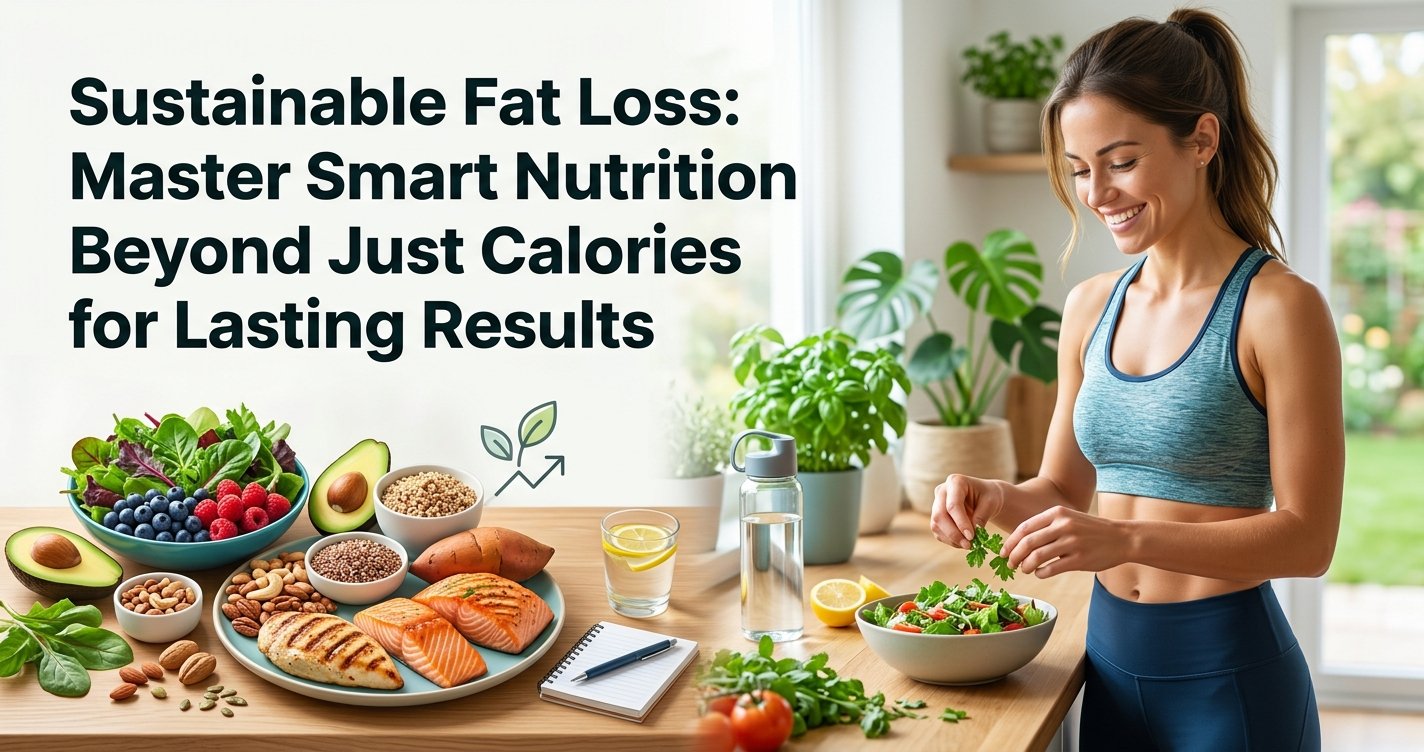
Sustainable Fat Loss: Master Smart Nutrition Beyond Just Calories for Lasting Results
Embarking on a fat loss journey can often feel overwhelming, with countless diets and conflicting advice flooding our feeds. But what if we told you that achieving sustainable fat loss isn't about deprivation or extreme measures, but rather about mastering smart nutrition strategies that go far beyond simply counting calories? It's about building habits that last, nourishing your body, and understanding the science behind true transformation. This isn't just a temporary fix; it's a blueprint for a healthier, happier you.
At its heart, sustainable fat loss is about creating a lifestyle you can maintain, not just endure. We're here to guide you with evidence-based insights, a friendly approach, and the encouragement you need to make lasting changes. Let's dive into the world of smart nutrition and unlock your potential for incredible, long-term results. this excellent wellness product
The Calorie Deficit: Your Foundation, Not Your Only Tool
Yes, at the most fundamental level, losing fat requires consuming fewer calories than your body expends. This is known as a calorie deficit. Think of it as the bedrock upon which all other fat loss strategies are built. However, where many people go wrong is in creating too drastic a deficit, leading to unbearable hunger, nutrient deficiencies, and often, a rebound effect.
How to create a smart deficit:
- Start Small: Aim for a modest deficit of 300-500 calories below your maintenance level. This allows for steady, sustainable fat loss (typically 1-2 pounds per week) without feeling starved.
- Track for Awareness: Briefly tracking your food intake can provide incredible insight into your current eating habits and where calories might be hiding. Apps can be very helpful here, but remember, it’s a tool for learning, not a life sentence.
- Listen to Your Body: Your hunger cues and energy levels are valuable indicators. If you're constantly exhausted and ravenous, your deficit might be too aggressive.
Remember, the goal isn't to eat as little as possible, but to eat enough to fuel your body while still promoting fat loss. This foundation sets the stage for the quality of those calories.
Protein Power: The Satiety & Muscle Preserver
If there's one macronutrient that deserves superstar status in your fat loss journey, it's protein. Research consistently shows that a higher protein intake is incredibly beneficial for several reasons:
- Increased Satiety: Protein is the most satiating macronutrient. Eating enough protein helps you feel fuller for longer, reducing cravings and the likelihood of overeating.
- Metabolic Boost: Your body expends more energy digesting protein than fats or carbohydrates, a phenomenon known as the thermic effect of food (TEF). This means you burn more calories just by eating protein-rich foods!
- Muscle Preservation: When you're in a calorie deficit, there's a risk of losing muscle mass along with fat. Adequate protein intake helps signal your body to hold onto precious muscle, which is metabolically active and crucial for maintaining a healthy metabolism.
Aim for: Roughly 0.7-1 gram of protein per pound of your target body weight. Incorporate lean protein sources like chicken breast, fish, lean beef, eggs, Greek yogurt, cottage cheese, tofu, and legumes into every meal.
Fiber's Magic: Fullness, Gut Health, and Steady Energy
Don't underestimate the power of fiber! Often overlooked, dietary fiber plays a vital role in sustainable fat loss and overall health:
- Enhanced Satiety: Like protein, fiber adds bulk to your meals and slows down digestion, keeping you feeling full and satisfied for longer.
- Blood Sugar Control: Soluble fiber helps to stabilize blood sugar levels, preventing the sharp spikes and crashes that can lead to cravings and energy slumps.
- Gut Health: Fiber feeds beneficial gut bacteria, contributing to a healthy microbiome. A healthy gut is increasingly linked to better weight management and overall well-being.
Load up on fruits (especially berries), vegetables (leafy greens, broccoli, Brussels sprouts), whole grains (oats, quinoa, brown rice), legumes, and nuts/seeds. These foods are also packed with essential vitamins and minerals, providing maximum nutrition for minimal calories.
Smart Fats: Essential for Health, Mindful for Calories
Fats have a bad rap, but healthy fats are absolutely essential for hormone production, nutrient absorption, and overall body function. The key is to choose the right kinds of fats and consume them mindfully, as they are calorie-dense.
- Choose Wisely: Focus on unsaturated fats found in avocados, olive oil, nuts, seeds, and fatty fish (like salmon). Limit saturated fats and avoid trans fats entirely.
- Portion Control: A small serving of healthy fats goes a long way. A tablespoon of olive oil, a quarter of an avocado, or a small handful of nuts can provide significant benefits without pushing you over your calorie limit.
Incorporating smart fats helps you feel satisfied, supports your body's vital processes, and adds delicious flavor to your meals.
Hydration and Mindful Eating: Often Overlooked Allies
Sometimes, what we perceive as hunger is actually thirst. Staying adequately hydrated is a simple yet powerful tool for fat loss:
- Curbs Appetite: Drinking water before meals can help reduce overall food intake.
- Boosts Metabolism: Some studies suggest that drinking water can slightly increase your metabolic rate.
- Supports Energy: Dehydration can lead to fatigue, which might be mistaken for hunger.
Mindful eating is another game-changer. It's about paying attention to your food, savoring each bite, and recognizing your body's hunger and fullness cues. Slow down, put away distractions, and truly experience your meal. This practice can prevent overeating and enhance your enjoyment of food.
Meal Planning & Preparation: Your Roadmap to Success
The best nutrition strategies in the world won't work if you don't implement them consistently. This is where meal planning and preparation shine. By dedicating a little time each week, you can set yourself up for success:
- Eliminate Guesswork: Knowing what you'll eat for each meal removes the stress and temptation of last-minute, less-healthy choices.
- Control Portions & Ingredients: When you prepare your own food, you have full control over the ingredients, portion sizes, and cooking methods.
- Save Time & Money: Batch cooking can save hours during the week and often proves more cost-effective than frequent takeout.
Start small: plan your dinners for the week, or prep your lunches on Sunday. Even a little planning goes a long way in making healthy eating a sustainable habit.
Beyond the Plate: The Lifestyle Connection
While nutrition is paramount, remember that fat loss is a holistic journey. Your diet works in synergy with other lifestyle factors:
- Quality Sleep: Lack of sleep can disrupt hunger hormones (ghrelin and leptin), leading to increased cravings and reduced willpower. Aim for 7-9 hours of quality sleep per night.
- Stress Management: Chronic stress elevates cortisol levels, which can promote fat storage, particularly around the abdomen. Find healthy ways to manage stress, whether it's through meditation, exercise, or hobbies.
- Regular Movement: While you can't out-train a bad diet, regular physical activity (both strength training and cardio) is crucial for burning calories, building muscle, and improving overall health and metabolism.
Addressing these areas creates a supportive environment for your nutritional efforts to truly flourish.
Embrace the Journey: Patience and Consistency are Key
Achieving sustainable fat loss through smart nutrition isn't a race; it's a marathon. It requires patience, consistency, and a willingness to learn and adapt along the way. Move beyond the quick-fix mentality and embrace these evidence-based strategies. Focus on nourishing your body with whole, unprocessed foods, prioritizing protein and fiber, staying hydrated, and practicing mindful eating.
You have the power to transform your relationship with food and your body. Be kind to yourself, celebrate small victories, and trust the process. With these smart nutrition tools, you're not just losing fat; you're building a foundation for a lifetime of health and vitality. You've got this!