Introduction: Tired of the Diet Rollercoaster? Let's Talk Sustainable Fat Loss!
You’ve been there, right? The excitement of a new diet, the initial rapid weight loss, only to find yourself back where you started (or even heavier) just a few months later. It’s frustrating, disheartening, and frankly, exhausting. The truth is, the world of fat loss is often clouded by quick fixes, restrictive rules, and unrealistic expectations. But what if there was a better way? A path that doesn't involve deprivation, but rather empowerment through smart, evidence-based nutrition?
This isn't about the latest fad or a magic pill. This is about understanding your body, nourishing it intelligently, and building sustainable habits that lead to lasting fat loss and improved overall health. We're going to dive deep into the principles of smart nutrition – the kind that helps you shed fat, maintain muscle, boost energy, and truly enjoy your food. Get ready to ditch the diet mentality and embrace a sustainable, enjoyable journey to a leaner, healthier you! this excellent wellness product
Why Fad Diets Fail (And What Works Instead)
Fad diets often promise rapid results by severely restricting food groups, imposing rigid rules, or relying on specific 'detox' plans. While they might show initial weight loss (often water weight or muscle), they rarely teach you how to eat for life. Here’s why they typically fall short:
- Unsustainable Restriction: Extreme calorie deficits or cutting out entire food groups (like carbs) leads to intense cravings, nutrient deficiencies, and a feeling of deprivation that's impossible to maintain long-term.
- Metabolic Adaptation: Your body is smart. When calories are drastically cut, your metabolism can slow down to conserve energy, making further fat loss harder and increasing the likelihood of weight regain once you resume normal eating.
- Psychological Impact: The 'all or nothing' mentality often fosters guilt and shame around food, leading to cycles of restriction followed by overeating. It damages your relationship with food and your body.
Instead, what truly works is a flexible, balanced approach focused on creating a slight, consistent calorie deficit while prioritizing nutrient-dense foods and building sustainable habits.
The Calorie Deficit: Your Non-Negotiable Foundation for Fat Loss
Let's get scientific for a moment, but keep it friendly! At its core, fat loss boils down to one fundamental principle: consuming fewer calories than your body burns. This creates a 'calorie deficit,' forcing your body to tap into its stored fat reserves for energy. Think of it as your body's savings account for energy.
But a deficit doesn't mean starvation! A smart, sustainable deficit is typically around 300-500 calories below your maintenance level. This allows for steady fat loss (about 1-2 pounds per week) without causing extreme hunger or metabolic slowdown. You can estimate your maintenance calories online (search 'TDEE calculator'), but remember, these are just starting points. Listening to your body and tracking your intake for a short period can help you fine-tune your numbers.
Protein Power: Your Satiety & Muscle Preserver
If there's one macronutrient to prioritize for fat loss, it's protein. Protein is an absolute superstar, and here’s why:
- High Satiety: Protein is incredibly filling. Including adequate protein in your meals helps you feel fuller for longer, reducing overall calorie intake and curbing those pesky cravings.
- Thermic Effect of Food (TEF): Your body expends more energy digesting protein than it does carbs or fats. This means you burn a few extra calories just by eating protein!
- Muscle Preservation: When you're in a calorie deficit, there's a risk of losing not just fat, but also precious muscle. Adequate protein intake, especially when combined with strength training, helps preserve lean muscle mass, which is crucial for maintaining a healthy metabolism.
Aim for 0.7-1 gram of protein per pound of body weight daily. Excellent sources include lean meats, poultry, fish, eggs, dairy (Greek yogurt, cottage cheese), legumes, and plant-based protein powders.
Fiber-Rich Foods: Your Allies Against Hunger and for Gut Health
Fiber is another unsung hero in the fat loss journey. It's a type of carbohydrate that your body can't fully digest, and that's precisely why it's so beneficial:
- Promotes Fullness: Fiber adds bulk to your meals, helping you feel satisfied without adding extra calories. Soluble fiber, in particular, forms a gel-like substance in your stomach, slowing digestion and keeping you full.
- Stabilizes Blood Sugar: By slowing the absorption of sugar, fiber helps prevent rapid spikes and crashes in blood sugar, which can trigger hunger and cravings.
- Supports Gut Health: A healthy gut microbiome is increasingly linked to overall health and even weight management. Fiber acts as prebiotics, feeding the beneficial bacteria in your gut.
Load up on fiber from fruits (berries, apples), vegetables (broccoli, spinach, sweet potatoes), whole grains (oats, quinoa, brown rice), and legumes (beans, lentils).
Healthy Fats: Essential, Not the Enemy
For years, fat was demonized in the diet world. However, we now know that healthy fats are absolutely essential for your body to function optimally, even when you're trying to lose fat. They play crucial roles in:
- Hormone Production: Fats are vital for the production of hormones, including those involved in satiety and metabolism.
- Nutrient Absorption: Many vitamins (A, D, E, K) are fat-soluble, meaning your body needs fat to absorb them properly.
- Satiety: While calorie-dense, healthy fats can contribute to a feeling of fullness and satisfaction, preventing overeating later on.
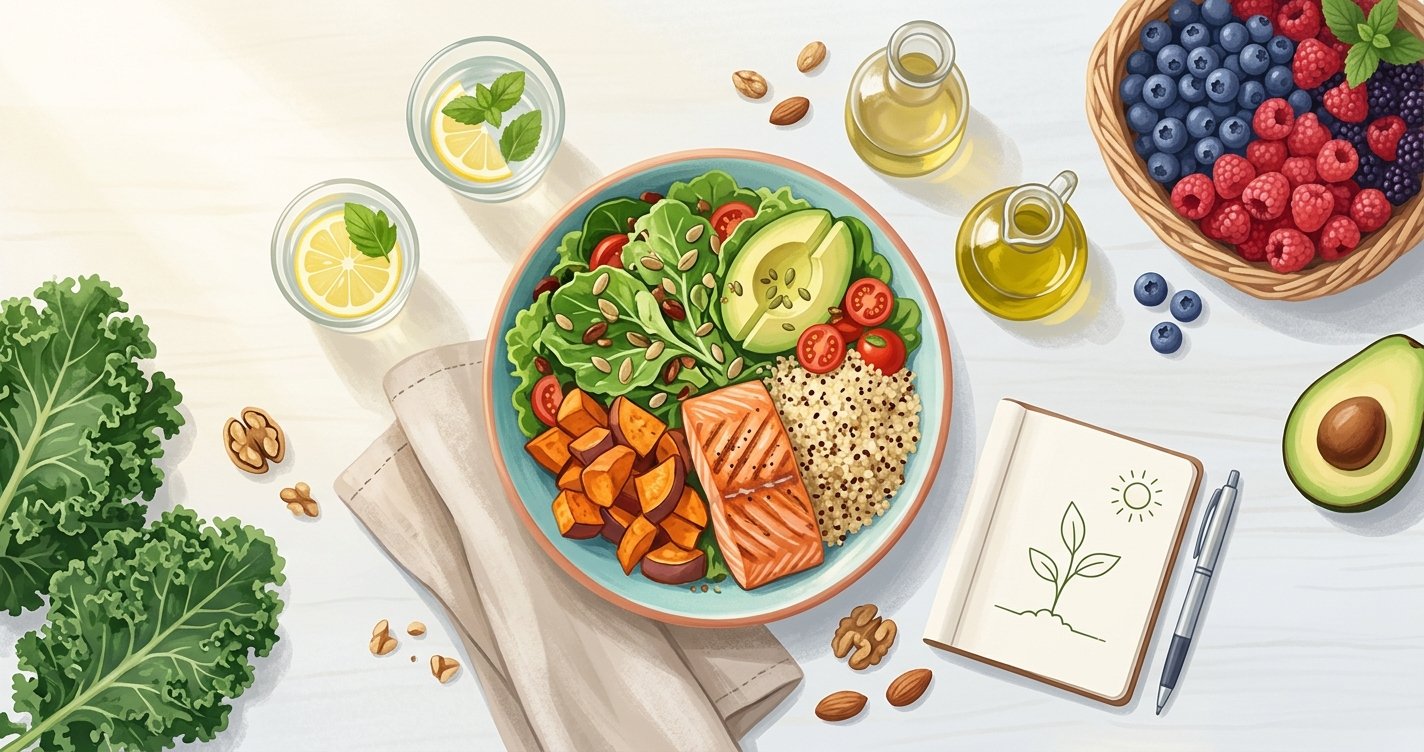
Focus on unsaturated fats found in avocados, nuts, seeds, olive oil, and fatty fish (salmon, mackerel). Just remember, fats are calorie-dense, so portion control is key!
Hydration & Micronutrients: The Often-Overlooked Superheroes
Don't underestimate the power of hydration and a nutrient-dense diet. Often, what we perceive as hunger is actually thirst. Drinking plenty of water throughout the day can:
- Boost Metabolism: Water is essential for countless metabolic processes.
- Aid Satiety: Drinking water before meals can help you feel fuller and potentially eat less.
- Support Energy Levels: Dehydration can lead to fatigue, which might be mistaken for hunger.
Aim for at least 8 glasses (2 liters) of water daily, and even more if you're active. Beyond water, ensure your diet is rich in a variety of fruits and vegetables. These micronutrient powerhouses provide essential vitamins, minerals, and antioxidants that support overall health, energy, and prevent deficiencies that can stall fat loss.
Strategic Meal Planning & Preparation: Set Yourself Up for Success
The best intentions can crumble in the face of hunger and lack of preparation. This is where meal planning and prep become your secret weapons for sustainable fat loss:
- Eliminates Guesswork: Knowing what you're going to eat ahead of time reduces decision fatigue and the likelihood of impulse, unhealthy choices.
- Ensures Balance: You can consciously plan for protein, fiber, healthy fats, and micronutrients in each meal.
- Saves Time & Money: Batch cooking saves time during busy weekdays and often costs less than eating out or buying convenience foods.
Start small: plan your dinners for the week, or prep your lunches for a few days. Cook larger batches of protein (chicken breast, lentils), chop veggies, and portion out snacks. Having healthy options readily available is a game-changer.
Mindful Eating: Reconnecting with Your Body's Wisdom
Beyond what you eat, how you eat plays a significant role in sustainable fat loss. Mindful eating is about paying attention to your food and your body's signals, without judgment. It involves:
- Slowing Down: Put down your fork between bites, chew thoroughly, and savor the flavors and textures.
- Recognizing Hunger & Fullness Cues: Eat when you're truly hungry, not just bored, stressed, or out of habit. Stop when you're comfortably full, not stuffed.
- Minimizing Distractions: Turn off the TV, put away your phone, and focus on your meal.
Mindful eating helps you enjoy your food more, prevents overeating, and fosters a healthier, more intuitive relationship with what you consume.
Beyond the Plate: Lifestyle Factors for Lasting Results
Sustainable fat loss isn't just about food; it's about your entire lifestyle. Two crucial, often overlooked factors are sleep and stress management:
Sleep: Your Secret Fat Loss Weapon
Lack of sleep can wreak havoc on your fat loss efforts. When you're sleep-deprived, your body produces more ghrelin (the hunger hormone) and less leptin (the satiety hormone). This can lead to increased cravings, especially for high-carb, high-fat foods. Aim for 7-9 hours of quality sleep per night to support hormonal balance and energy levels.
Stress Management: Taming the Cortisol Beast
Chronic stress triggers the release of cortisol, a hormone that, in excess, can promote fat storage, particularly around the abdominal area. Finding healthy ways to manage stress – whether through meditation, exercise, hobbies, or spending time in nature – is vital for your overall well-being and your fat loss journey.
Your Journey to Sustainable Fat Loss: A Friendly Reminder
Congratulations on taking the first step towards a sustainable approach to fat loss! Remember, this is a journey, not a race. There will be good days and challenging days, but consistency, patience, and self-compassion are your most powerful tools.
Embrace these smart nutrition strategies not as temporary rules, but as lasting lifestyle changes. Listen to your body, celebrate small victories, and focus on nourishing yourself from the inside out. You have the power to achieve lasting fat loss and build a healthier, happier relationship with food and your body. Start today, one smart choice at a time!