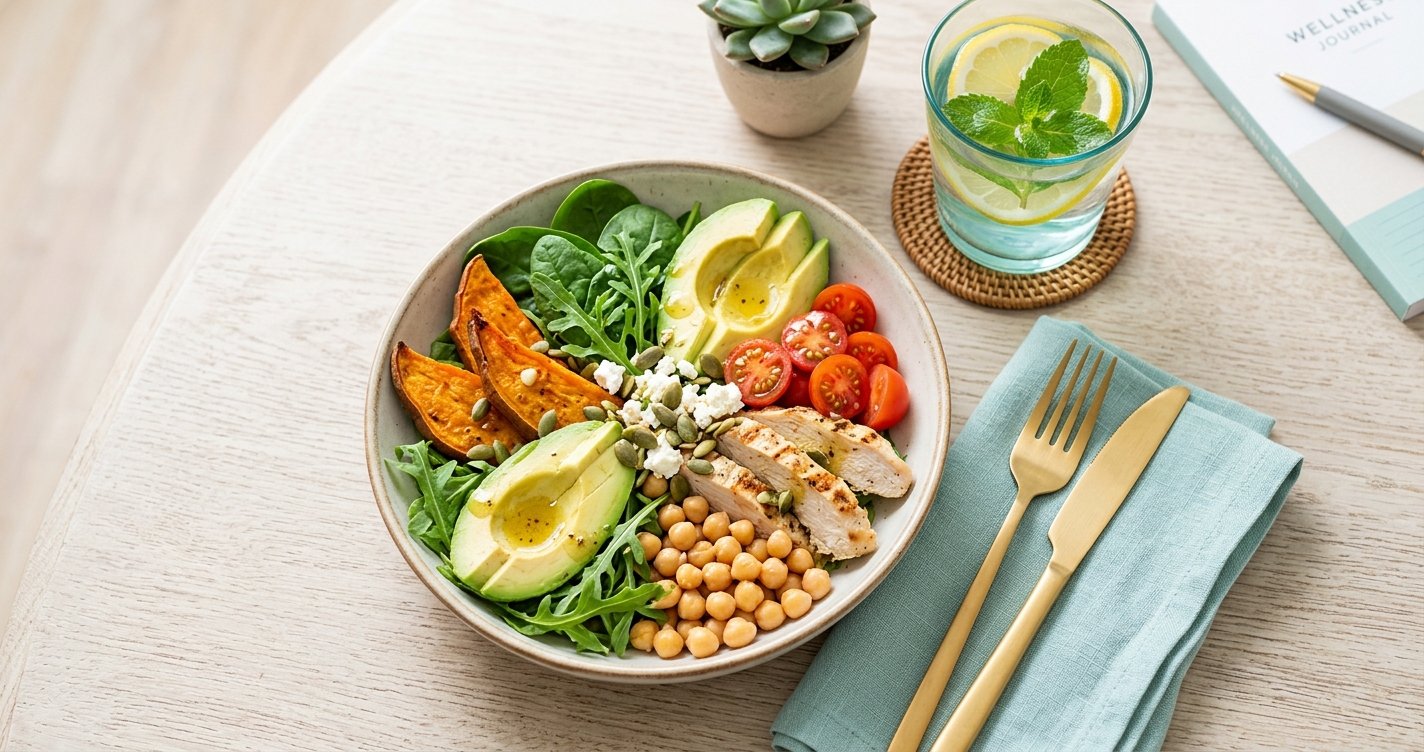
Embarking on a fat loss journey can feel overwhelming. With countless diets, conflicting advice, and the pressure of quick fixes, it's easy to get lost. But what if we told you that sustainable fat loss isn't about deprivation or endless struggle, but about making smarter, evidence-based nutrition choices that truly nourish your body? It’s about building habits you can maintain for life, not just for a few weeks.
This isn't another fad diet manifesto. Instead, we're diving deep into the practical, friendly, and scientifically-backed strategies for sustainable fat loss through nutrition. We’ll explore how to fuel your body effectively, understand the core principles, and equip you with the tools to make lasting changes. Ready to transform your relationship with food and achieve the results you deserve? Let's dive in! this excellent wellness product
The Core Principle: Understanding Your Caloric Deficit
At the heart of all fat loss lies a fundamental principle: a caloric deficit. Simply put, you need to consume fewer calories than your body burns over time. Your body then taps into its stored fat for energy, leading to fat loss. It sounds straightforward, right?
While the caloric deficit is non-negotiable, it's crucial to understand that it's not the *only* factor. The *quality* of those calories, how they impact your satiety, energy levels, and overall health, plays a massive role in whether that deficit is sustainable and enjoyable.
How to Estimate Your Caloric Needs (Without Obsession)
You don't need to become a human calculator, but having a rough idea of your daily caloric needs can be a helpful starting point. Tools like Total Daily Energy Expenditure (TDEE) calculators can provide an estimate based on your age, sex, weight, height, and activity level. From there, aim to create a moderate deficit (e.g., 300-500 calories below your TDEE) to promote gradual, sustainable fat loss (typically 0.5-1% of body weight per week).
Remember, these are just estimates. The most important thing is to listen to your body. Track your progress (weight, measurements, how your clothes fit) and adjust your intake as needed. Consistency and patience trump perfection every single time.
Fueling Your Body for Fat Loss: Key Nutritional Pillars
Now that we understand the 'why,' let's talk about the 'what' – the specific nutrients that will power your fat loss journey and keep you feeling great.
Protein Power: Your Muscle-Preserving, Satiety-Boosting Ally
If there's one nutrient to prioritize for fat loss, it's protein. Here's why:
- Satiety: Protein is incredibly filling. Including adequate protein in your meals helps you feel fuller for longer, reducing overall calorie intake and curbing cravings.
- Muscle Preservation: When you're in a caloric deficit, your body can break down muscle tissue for energy. Sufficient protein intake helps protect your precious muscle mass, ensuring that the weight you lose is primarily fat.
- Thermic Effect of Food (TEF): Protein has a higher TEF than carbs or fats, meaning your body burns more calories just to digest and process it.
Excellent Protein Sources:
- Lean meats (chicken breast, turkey, lean beef)
- Fish and seafood (salmon, cod, tuna, shrimp)
- Eggs
- Dairy (Greek yogurt, cottage cheese, milk)
- Legumes (lentils, beans, chickpeas)
- Tofu and tempeh
- Protein powder (whey, casein, plant-based)
Aim for roughly 1.6-2.2 grams of protein per kilogram of body weight per day, spread across your meals.
The Magic of Fiber: Staying Full and Healthy
Fiber is another unsung hero in the world of fat loss and overall health. It's a type of carbohydrate that your body can't digest, but it does wonders:
- Satiety: Like protein, fiber adds bulk to your meals, helping you feel full and satisfied.
- Blood Sugar Regulation: Soluble fiber slows down the absorption of sugar, preventing sharp spikes and crashes that can lead to cravings.
- Gut Health: Fiber feeds beneficial gut bacteria, which is linked to everything from improved digestion to better mood and even metabolism.
Fantastic Fiber Sources:
- Fruits (berries, apples, pears with skin)
- Vegetables (broccoli, spinach, carrots, Brussels sprouts)
- Whole grains (oats, quinoa, brown rice, whole wheat bread)
- Legumes (beans, lentils)
- Nuts and seeds (chia seeds, flaxseeds, almonds)
Strive for 25-30 grams of fiber per day, gradually increasing your intake to avoid digestive discomfort.
Smart Carbs and Healthy Fats: Not the Enemy!
Carbohydrates and fats have often been demonized in fat loss discussions, but they are vital for energy, hormone function, and nutrient absorption. The key is choosing the *right* kinds.
Smart Carbohydrates: Fueling Your Body Wisely
Focus on complex carbohydrates, which are rich in fiber and nutrients, provide sustained energy, and help with satiety. Avoid excessive amounts of refined carbohydrates (white bread, sugary drinks, pastries) which offer little nutritional value and can lead to energy crashes and increased hunger.
Great Complex Carb Sources:
- Whole grains (oats, quinoa, brown rice, whole wheat pasta)
- Starchy vegetables (sweet potatoes, potatoes, corn)
- Fruits (all varieties!)
Healthy Fats: Essential for Health and Satiety
Fats are calorie-dense, so portion control is important. However, healthy fats are crucial for hormone production, nutrient absorption (especially fat-soluble vitamins A, D, E, K), and can contribute to satiety.
Beneficial Healthy Fat Sources:
- Avocado
- Nuts and seeds (almonds, walnuts, chia seeds, flaxseeds)
- Olive oil, avocado oil
- Fatty fish (salmon, mackerel, sardines)
Don't be afraid of healthy fats; just be mindful of your portions.
Practical Strategies for Sustainable Change
Knowing what to eat is one thing; consistently implementing it is another. Here are some practical strategies to make your nutrition journey smoother and more sustainable.
Portion Control and Mindful Eating
Even with healthy foods, calories can add up. Learning portion control is vital. This doesn't mean meticulously weighing everything forever, but initially, it can be helpful to get a sense of appropriate serving sizes. Use smaller plates, measure out high-calorie items like nuts and oils, and pay attention to visual cues.
Mindful eating is a powerful tool. Slow down, savor your food, and pay attention to your body's hunger and fullness cues. Are you truly hungry, or just bored, stressed, or thirsty? Eating slowly allows your body to register fullness signals, preventing overeating.
Hydration: An Underrated Fat Loss Tool
Often overlooked, adequate water intake is critical for fat loss. Water supports metabolism, helps transport nutrients, and can even aid in satiety. Sometimes, what we perceive as hunger is actually thirst.
Make it a habit to drink a glass of water before each meal. Carry a reusable water bottle throughout the day. Aim for at least 8 glasses (around 2 liters), and more if you're active or in a warm climate.
Meal Planning and Preparation: Your Secret Weapon
Failing to plan is planning to fail, especially when it comes to nutrition. Meal planning and prepping can dramatically improve your consistency and adherence to healthy eating habits.
- Reduces Impulsive Choices: When healthy, delicious meals are ready, you're less likely to reach for convenient, less nutritious options.
- Ensures Balanced Meals: Planning allows you to ensure each meal has a good balance of protein, fiber-rich carbs, and healthy fats.
- Saves Time and Money: Batch cooking can save you hours during the week and reduce your grocery bill by preventing food waste.
Dedicate a few hours each week to plan your meals, create a grocery list, and do some batch cooking (e.g., cooking a large batch of chicken, quinoa, or roasted vegetables).
Beyond the Plate: Lifestyle Factors That Support Fat Loss
Nutrition is paramount, but it doesn't operate in a vacuum. Other lifestyle factors significantly impact your body's ability to lose fat.
The Importance of Sleep and Stress Management
Poor sleep and chronic stress are saboteurs of fat loss. Lack of sleep disrupts hormones that regulate appetite (ghrelin and leptin), leading to increased hunger and cravings, especially for high-sugar, high-fat foods. Stress elevates cortisol, a hormone that can promote fat storage, particularly around the abdomen.
Prioritize 7-9 hours of quality sleep each night. Practice stress-reducing activities like meditation, yoga, spending time in nature, or engaging in hobbies you enjoy. Taking care of your mental and emotional well-being is just as important as what you eat.
Patience and Consistency: The True Pillars of Success
Remember, fat loss is a journey, not a sprint. There will be ups and downs, plateaus, and moments of frustration. The key is not perfection, but consistency. Small, sustainable changes consistently applied over time yield the most profound and lasting results.
Celebrate your progress, no matter how small. If you have an off day or a less-than-ideal meal, don't let it derail you. Simply get back on track with your next meal. Be kind to yourself, learn from your experiences, and trust the process. Your body is capable of amazing things when you nourish it correctly and consistently.
Conclusion: Your Path to Sustainable Fat Loss Starts Now
Achieving sustainable fat loss isn't about chasing the latest diet trend; it's about adopting an evidence-based, holistic approach to nutrition and lifestyle. By understanding the importance of a caloric deficit, prioritizing protein and fiber, making smart carbohydrate and fat choices, and implementing practical strategies like mindful eating and meal prep, you're building a foundation for lasting success.
Combine these nutritional strategies with adequate hydration, quality sleep, and stress management, and you'll not only lose fat but also gain energy, improve your health, and cultivate a positive relationship with your body. You have the power to make these changes. Start small, stay consistent, and remember that every healthy choice is a step towards the vibrant, healthier you. You've got this!