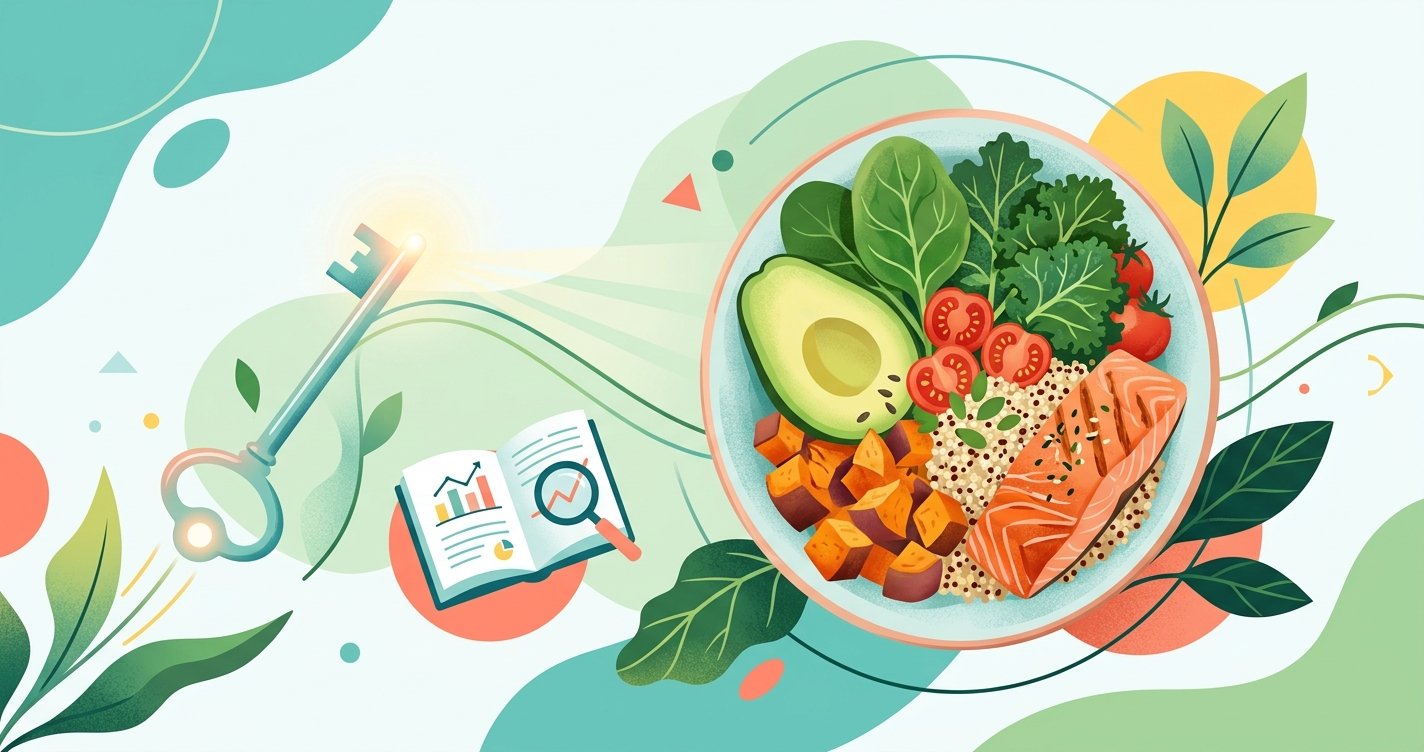
Are you tired of the yo-yo diet cycle? The endless restriction, the rapid weight loss followed by an even faster rebound? You're not alone. Many people embark on their fat loss journey with enthusiasm, only to be met with frustration when unsustainable methods lead to burnout and disappointment. But what if there was a better way? A path to lasting fat loss that doesn't involve extreme deprivation, but rather smart, evidence-based nutrition strategies you can actually stick with?
This guide is your friendly companion on that journey. We'll dive deep into the science behind sustainable fat loss, focusing on practical, actionable steps you can integrate into your daily life. Forget quick fixes; we're talking about building habits that will serve your body and mind for years to come. Let's transform your approach to eating, not just for a lighter scale, but for a healthier, more vibrant you! this excellent wellness product
The Non-Negotiable Foundation: Understanding Your Calorie Deficit
Let's get one thing straight: for your body to lose fat, you need to consume fewer calories than you burn. This is known as a calorie deficit, and it's the fundamental principle of fat loss. Your body stores excess energy as fat; to tap into those stores, you need to create an energy shortage.
But don't let the term 'deficit' scare you. This doesn't mean starvation! A moderate deficit, typically 300-500 calories below your daily maintenance needs, is ideal for sustainable fat loss. It allows for steady progress without feeling overly deprived or risking muscle loss. You can estimate your daily calorie needs using an online TDEE (Total Daily Energy Expenditure) calculator and then subtract to find your target. Remember, these are estimates, and listening to your body is key.
Quality Over Quantity: Prioritizing Nutrient-Dense Foods
While a calorie deficit is essential, the *source* of those calories matters immensely. Not all calories are created equal when it comes to satiety, nutrient delivery, and supporting overall health. Focusing on nutrient-dense, whole foods helps you feel fuller on fewer calories, provides essential vitamins and minerals, and supports crucial bodily functions.
The Power of Protein: Your Satiety Superstar
If there's one macronutrient to prioritize for fat loss, it's protein. Protein is incredibly satiating, meaning it helps you feel full and satisfied for longer, reducing the urge to snack. It also has a higher thermic effect of food (TEF), meaning your body burns more calories digesting it compared to fats or carbs. Crucially, adequate protein intake is vital for preserving lean muscle mass during a calorie deficit, which is essential for maintaining a healthy metabolism.
- Excellent Sources: Lean meats (chicken, turkey, lean beef), fish (salmon, cod, tuna), eggs, dairy (Greek yogurt, cottage cheese), legumes (lentils, beans), tofu, tempeh, and protein powder.
Smart Carbs: Fueling Your Body Wisely
Carbohydrates are not the enemy! They are your body's primary source of energy, especially important for physical activity and brain function. The key is choosing the right kind of carbs: complex carbohydrates over refined ones. Complex carbs are rich in fiber, which aids digestion, helps stabilize blood sugar, and contributes to feelings of fullness.
- Smart Choices: Whole grains (oats, quinoa, brown rice, whole-wheat bread), fruits (berries, apples, bananas), vegetables (broccoli, spinach, sweet potatoes), and legumes.
- Limit: Sugary drinks, white bread, pastries, and highly processed snacks, which offer little nutritional value and can lead to energy crashes.
Healthy Fats: Essential for Health and Satiety
Fats are crucial for hormone production, nutrient absorption, and providing a concentrated source of energy. While they are calorie-dense, healthy fats contribute to satiety and play a vital role in overall health. The trick is to choose wisely and practice portion control.
- Beneficial Sources: Avocados, nuts (almonds, walnuts), seeds (chia, flax, pumpkin), olive oil, fatty fish (salmon, mackerel).
- Avoid/Limit: Trans fats found in many processed and fried foods.
The Mighty Role of Fiber
Often overlooked, fiber is a game-changer for fat loss. Found in plant-based foods, fiber adds bulk to your diet without adding many calories. It slows down digestion, promoting a sustained feeling of fullness and helping to regulate blood sugar levels. Eating a diet rich in fiber can significantly reduce overall calorie intake naturally.
Practical Strategies for Sustainable Eating
Knowing what to eat is one thing; consistently eating well is another. Here are practical strategies to make healthy eating a sustainable part of your life:
Meal Planning and Preparation: Your Secret Weapon
One of the biggest hurdles to healthy eating is decision fatigue and convenience. Planning your meals and doing some prep work in advance can dramatically improve your consistency. Dedicate an hour or two on a weekend to plan your meals for the week, grocery shop, and pre-chop vegetables or cook a batch of protein. This reduces the likelihood of resorting to unhealthy takeout or impulse purchases when hunger strikes.
Mindful Eating and Portion Control
Slow down and savor your food. Pay attention to your body's hunger and fullness cues. Are you truly hungry, or just bored or stressed? Eating mindfully can help you recognize when you're satisfied, preventing overeating. Use smaller plates, measure out portions, and avoid distractions like TV or your phone during meals. This practice helps you build a healthier relationship with food.
Hydration: Your Secret Weapon
Often mistaken for hunger, thirst can lead to unnecessary snacking. Drinking plenty of water throughout the day is crucial. Water has zero calories, keeps you hydrated, and can help you feel fuller between meals. Aim for at least 8 glasses (about 2 liters) a day, and consider drinking a glass of water before each meal.
Navigating Social Situations and Cravings
Life happens! You'll have social gatherings, restaurant meals, and occasional cravings. Instead of viewing these as failures, approach them with a strategy. Choose wisely at restaurants (opt for grilled over fried, ask for sauces on the side). If you know you'll be eating out, balance it by eating lighter earlier in the day. For cravings, try healthy swaps or allow yourself a small, controlled portion of your favorite treat, ensuring it fits within your overall calorie goals.
Beyond the Plate: Lifestyle Factors That Support Fat Loss
While nutrition is paramount, sustainable fat loss is a holistic endeavor. Other lifestyle factors significantly impact your body's ability to shed fat:
- Sleep: Poor sleep can disrupt hunger hormones (ghrelin and leptin), making you hungrier and more prone to cravings. Aim for 7-9 hours of quality sleep per night.
- Stress Management: Chronic stress elevates cortisol levels, which can promote fat storage, especially around the abdomen. Incorporate stress-reducing activities like meditation, yoga, or spending time in nature.
- Physical Activity: While a calorie deficit drives fat loss, exercise complements it beautifully by burning additional calories, building muscle (which boosts metabolism), and improving overall health and well-being. Find activities you enjoy and make them a regular part of your routine.
Building Habits for Lasting Success
Sustainable fat loss isn't about perfection; it's about consistency and progress, not linear perfection. There will be days when you falter, and that's perfectly okay. The key is to learn from those moments, adjust, and get back on track without guilt or self-blame.
Focus on making small, manageable changes that you can realistically maintain over time. Celebrate your non-scale victories – improved energy, better sleep, clothes fitting differently, increased strength. These are powerful indicators of progress beyond the number on the scale. Be patient with yourself, trust the process, and remember that you're building a healthier lifestyle, not just chasing a number.
Your Journey to a Healthier You Starts Now
Embarking on a sustainable fat loss journey is one of the best investments you can make in yourself. By focusing on nutrient-dense foods, understanding your calorie needs, and integrating practical eating strategies with supportive lifestyle habits, you're not just losing weight; you're gaining health, energy, and a confident relationship with food. It takes effort, but the rewards are immeasurable. Start with one small change today, and build from there. You've got this!