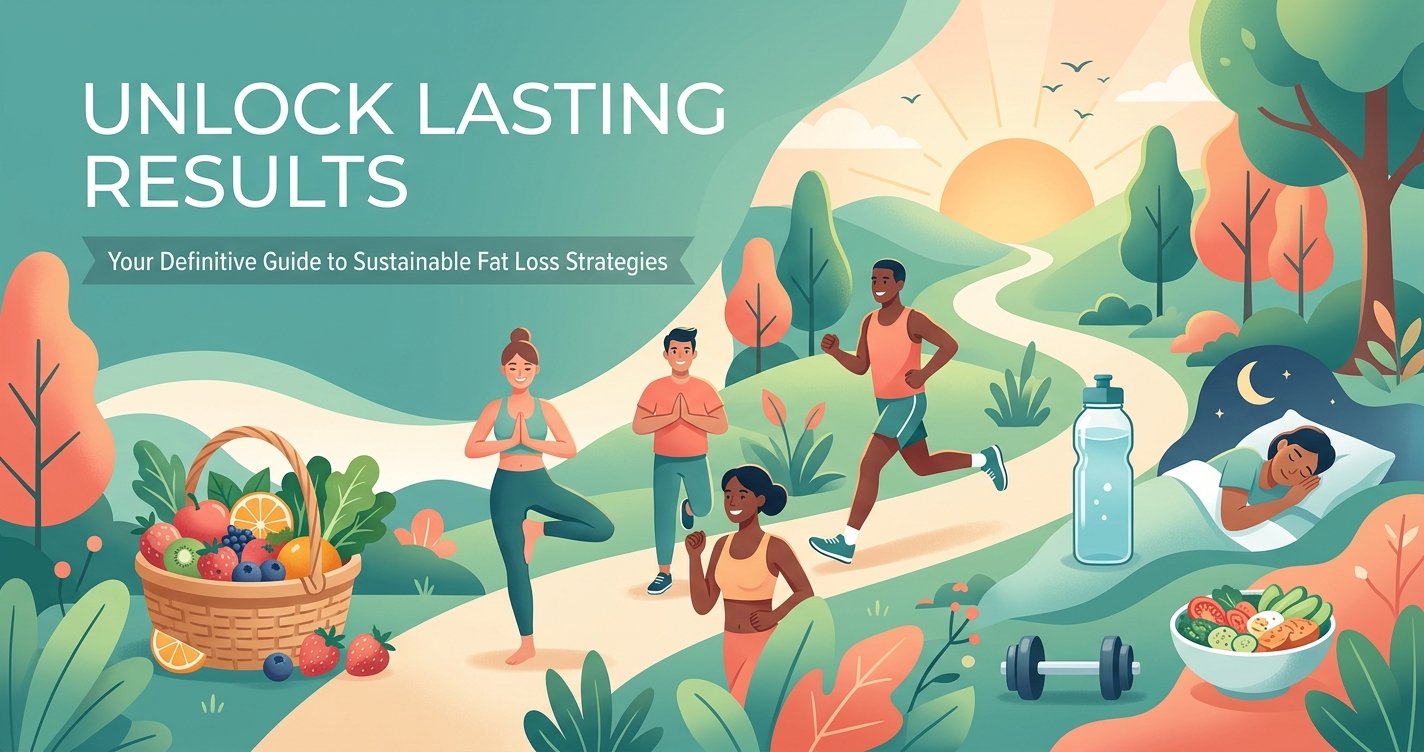
Beyond the Quick Fix: Embrace Sustainable Fat Loss for Lasting Health
Are you tired of the endless cycle of restrictive diets, intense workout fads, and the frustrating rebound effect? You're not alone. In a world obsessed with instant gratification, the concept of "quick fat loss" often overshadows the true path to a healthier, happier you. But what if there was a way to shed unwanted fat, keep it off, and feel great doing it – without deprivation or burnout?
Welcome to the world of sustainable fat loss. This isn't about crash diets or grueling routines you can't maintain. It's about building healthy habits, understanding your body, and making lifestyle changes that are enjoyable, effective, and, most importantly, last a lifetime. Let's ditch the quick fixes and embark on a journey towards real, evidence-based results. this excellent wellness product
The True Science of Fat Loss: More Than Just Calories In, Calories Out
While the fundamental principle of fat loss revolves around a calorie deficit (consuming fewer calories than you burn), the human body is far more complex than a simple calculator. Hormones, metabolism, sleep, stress, and individual genetics all play crucial roles in how your body stores and burns fat. Focusing solely on calorie restriction without addressing these underlying factors can lead to metabolic slowdown, muscle loss, and a frustrated mindset.
Sustainable fat loss acknowledges this complexity. It focuses on optimizing your body's natural fat-burning capabilities through balanced nutrition, effective exercise, and holistic lifestyle adjustments. The goal isn't just to see a number drop on the scale; it's to improve your body composition, boost your energy, enhance your mood, and build a resilient metabolism that supports your health goals long-term.
Fueling Your Body Smartly: Nutrition for Lasting Results
Your plate is your most powerful tool in the fat loss journey. But "eating smart" doesn't mean eating less; it means eating better.
Prioritize Whole, Unprocessed Foods
Think colorful fruits and vegetables, lean proteins, whole grains, and healthy fats. These foods are packed with essential nutrients, fiber, and water, which keep you feeling full and satisfied without excess calories. They support healthy digestion and provide sustained energy, preventing those dreaded energy crashes and subsequent cravings.
- Lean Proteins: Chicken, turkey, fish, eggs, tofu, lentils, Greek yogurt. Essential for building and maintaining muscle mass, which is metabolically active.
- Complex Carbohydrates: Oats, quinoa, brown rice, sweet potatoes, whole-grain bread. Provide steady energy and fiber.
- Healthy Fats: Avocados, nuts, seeds, olive oil. Crucial for hormone production, nutrient absorption, and satiety.
- Plenty of Vegetables & Fruits: High in fiber, vitamins, and antioxidants, low in calories.
Master Portion Control, Don't Starve
Understanding appropriate portion sizes is key. You don't need to meticulously count every calorie, but becoming aware of how much you're actually eating can be eye-opening. Use smaller plates, listen to your body's hunger and fullness cues, and practice mindful eating – savoring each bite and paying attention to the experience of eating.
The Power of Protein and Fiber
These two nutrients are your best friends for fat loss. Protein is highly satiating, meaning it keeps you feeling full for longer, reducing the likelihood of overeating. It also helps preserve muscle during a calorie deficit. Fiber, found in fruits, vegetables, and whole grains, adds bulk to your meals, aids digestion, and helps regulate blood sugar levels, preventing spikes and crashes that can lead to fat storage.
Hydration is Key
Often overlooked, adequate water intake is vital. Water helps with metabolism, nutrient transport, and can even help manage hunger (sometimes thirst is mistaken for hunger!). Aim for at least 8 glasses of water a day, and more if you're active.
Move Your Body Intentionally: Exercise for Fat Loss and Beyond
Exercise isn't just about burning calories; it's about building strength, improving cardiovascular health, boosting your mood, and enhancing your body's ability to burn fat more efficiently.
Incorporate Strength Training
Resistance training (lifting weights, using resistance bands, or bodyweight exercises) is paramount for sustainable fat loss. Muscle tissue burns more calories at rest than fat tissue. By building and preserving muscle, you effectively boost your resting metabolism, making your body a more efficient fat-burning machine 24/7. Aim for 2-3 full-body strength sessions per week.
Embrace Cardiovascular Exercise
Cardio, such as brisk walking, jogging, cycling, or swimming, is excellent for improving heart health, increasing stamina, and burning calories. Find activities you enjoy and aim for at least 150 minutes of moderate-intensity cardio per week. High-intensity interval training (HIIT) can also be a time-efficient way to boost calorie burn and improve fitness.
NEAT: The Unsung Hero of Daily Activity
Non-Exercise Activity Thermogenesis (NEAT) refers to the energy expended for everything we do that is not sleeping, eating, or sports-like exercise. Think walking to the store, taking the stairs, fidgeting, or standing while working. Increasing your NEAT can significantly contribute to your daily calorie expenditure. Small changes, like parking further away or taking walking breaks, add up!
The Mind-Body Connection: Mental Strategies for Success
Fat loss isn't just physical; it's deeply psychological. Your mindset, stress levels, and sleep quality profoundly impact your progress.
Set Realistic Goals and Celebrate Small Wins
Instead of aiming for drastic weight loss in a short period, focus on achievable, sustainable goals. Celebrate non-scale victories like increased energy, better sleep, clothes fitting differently, or improved strength. This positive reinforcement keeps you motivated and engaged in the long haul.
Manage Stress Effectively
Chronic stress elevates cortisol levels, a hormone that can promote fat storage, especially around the belly. Find healthy ways to manage stress: meditation, yoga, spending time in nature, hobbies, or connecting with loved ones. Prioritizing stress reduction is a powerful fat loss strategy.
Prioritize Quality Sleep
Sleep deprivation throws your hunger hormones (ghrelin and leptin) out of whack, leading to increased appetite and cravings for unhealthy foods. Aim for 7-9 hours of quality sleep per night. A well-rested body is better equipped to manage stress, make healthy food choices, and recover from exercise.
Cultivate a Positive Mindset
Approach your journey with self-compassion and patience. There will be good days and challenging days. Don't let a setback derail your entire progress. Learn from it, adjust, and get back on track. Your mental resilience is just as important as your physical efforts.
Consistency Over Perfection: Building Habits That Stick
The secret ingredient to sustainable fat loss is consistency. It’s not about being perfect every day; it’s about showing up most days and making choices that align with your goals. The 80/20 rule is a great guideline: aim for healthy habits 80% of the time, allowing for flexibility and occasional treats 20% of the time. This approach prevents feelings of deprivation and makes your journey enjoyable and realistic.
Focus on building small, repeatable habits. Instead of overhauling your entire diet overnight, try adding one extra serving of vegetables to dinner each day. Instead of committing to an hour at the gym daily, start with three 20-minute walks per week. Small steps lead to big, lasting changes.
Listen to Your Body: Individualized Approaches
Every body is unique. What works perfectly for one person might not be the best approach for another. Pay attention to how different foods and exercises make you feel. Do you thrive on three meals a day, or do you prefer smaller, more frequent snacks? Do you feel energized after a morning workout, or does an evening session suit you better?
Don't be afraid to experiment (safely and thoughtfully) and adjust your strategies based on your body's feedback. If you're struggling, consider consulting with a registered dietitian or a certified personal trainer. They can provide personalized guidance tailored to your specific needs and health conditions.
Your Journey to a Healthier You: A Final Encouragement
Sustainable fat loss is not a race; it's a lifelong journey towards better health, increased vitality, and a stronger relationship with your body. By focusing on whole foods, intentional movement, adequate sleep, and a positive mindset, you're not just losing fat – you're building a foundation for enduring wellness.
Embrace the process, be kind to yourself, and celebrate every step forward. You have the power to transform your health and unlock lasting results. Start today, one sustainable choice at a time!