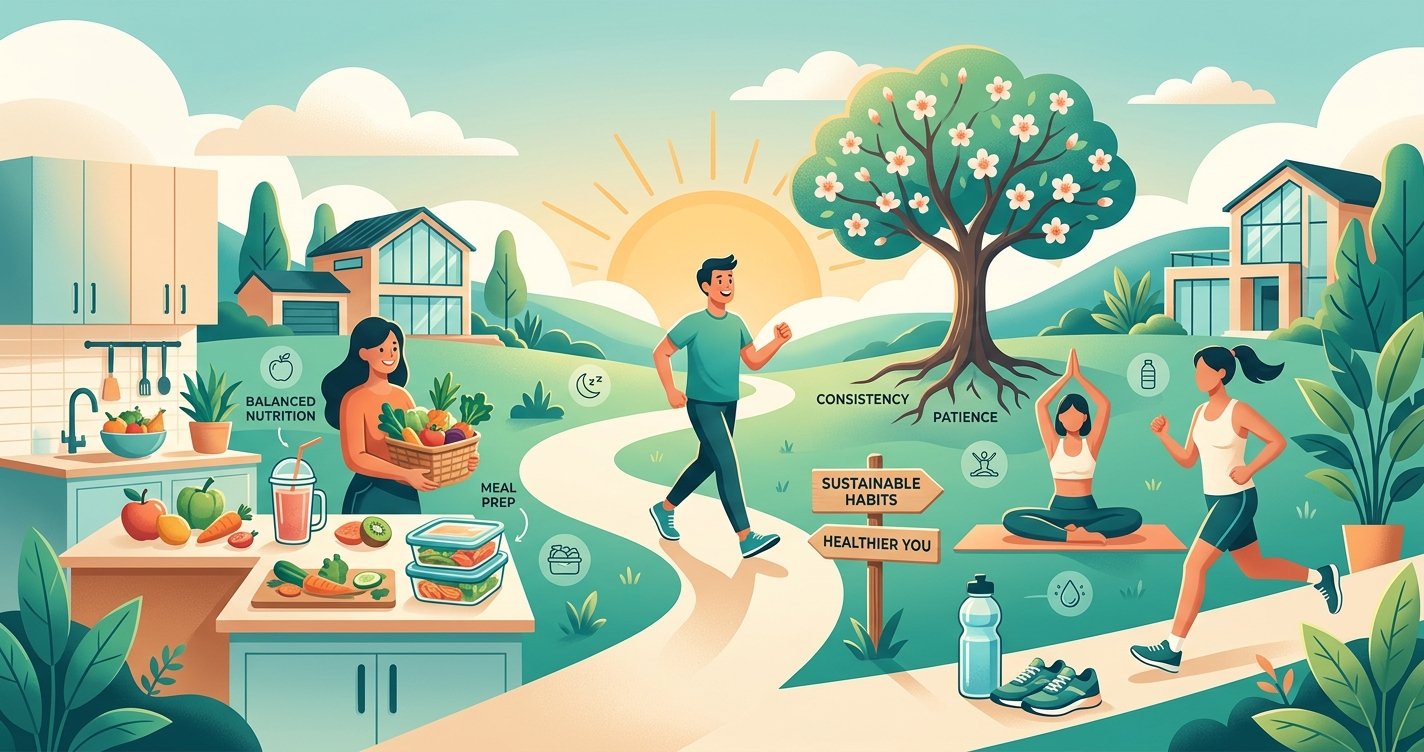
Are you tired of the never-ending cycle of diet restrictions, rapid weight loss, and then, inevitably, regaining it all back? You're not alone. The world of fat loss is often dominated by quick fixes and extreme measures that promise miraculous results but rarely deliver long-term success. If you're ready to break free from this frustrating pattern and build a healthier, happier you, it's time to shift your focus from temporary fixes to sustainable habits. This isn't about deprivation; it's about empowerment, understanding your body, and making choices that genuinely support your well-being for life.
Why "Quick Fixes" Don't Fix Anything (Long-Term)
The allure of shedding pounds quickly is incredibly strong, which is why crash diets, detoxes, and extreme workout plans are so popular. While these methods might show initial results on the scale, they often come at a significant cost. Severely restricting calories or entire food groups can lead to nutrient deficiencies, muscle loss (not just fat!), and a plummeting metabolism. Psychologically, these restrictive approaches are unsustainable; they foster feelings of deprivation, leading to intense cravings and often, eventually, a rebound effect where you regain more weight than you lost. Your body is smart, and it will fight back against perceived starvation, making sustainable fat loss feel impossible. True, lasting change requires a different approach – one rooted in consistency, balance, and patience. this excellent wellness product
The Foundation: A Manageable Calorie Deficit
At its core, fat loss boils down to a simple principle: consuming fewer calories than your body burns. This is known as a calorie deficit. However, the key word here is manageable. An extreme deficit can be counterproductive, triggering your body's survival mechanisms and making adherence nearly impossible. Instead, aim for a modest deficit of 300-500 calories per day below your Total Daily Energy Expenditure (TDEE). This allows for steady, sustainable fat loss (typically 1-2 pounds per week) without drastic deprivation. You can estimate your TDEE using online calculators, but remember these are just estimates. The best way to gauge your deficit is by consistently tracking your food intake for a few weeks and monitoring your weight. Adjust your intake gradually based on your progress. This isn't about obsessing over every calorie, but rather understanding portion sizes and making informed choices.
Fueling Your Journey: Prioritizing Protein and Fiber
What you eat within your calorie deficit is just as important as the deficit itself. Two powerful allies in your sustainable fat loss journey are protein and fiber.
The Protein Advantage
- Satiety: Protein is incredibly filling, helping you feel fuller for longer and reducing the urge to snack unnecessarily.
- Muscle Preservation: When you're in a calorie deficit, your body can break down muscle tissue for energy. Adequate protein intake helps preserve precious muscle mass, which is crucial for a healthy metabolism.
- Thermic Effect of Food (TEF): Protein requires more energy to digest and metabolize than fats or carbohydrates, meaning you burn a few extra calories just by eating it!
Aim for 0.7-1 gram of protein per pound of your target body weight daily. Excellent sources include lean meats, poultry, fish, eggs, dairy products (Greek yogurt, cottage cheese), legumes, and plant-based protein powders.
The Fiber Factor
- Satiety & Digestion: Like protein, fiber adds bulk to your meals, promoting feelings of fullness and aiding healthy digestion.
- Blood Sugar Regulation: Fiber helps slow down the absorption of sugar, preventing spikes and crashes that can lead to cravings and energy dips.
Incorporate plenty of fiber-rich foods like fruits, vegetables, whole grains (oats, quinoa, brown rice), and legumes into your daily diet. These foods are also packed with essential vitamins and minerals, supporting overall health.
Move Your Body, Strengthen Your Future: Beyond Just Cardio
While nutrition forms the bedrock of fat loss, intelligent movement is its powerful partner. Don't fall into the trap of thinking endless cardio is the only answer.
The Power of Strength Training
Strength training is a game-changer for sustainable fat loss. Building and maintaining muscle mass is vital because muscle is more metabolically active than fat, meaning it burns more calories even at rest. Lifting weights (or using your own body weight) not only helps you preserve muscle during a deficit but can also build new muscle, transforming your body composition, boosting your metabolism, and creating a more toned physique. Aim for 2-4 sessions per week, focusing on compound movements that work multiple muscle groups.
Incorporating Cardio Wisely
Cardio still has its place! It's fantastic for cardiovascular health, endurance, and can contribute to your calorie deficit. Mix in a variety of cardio, from steady-state activities like brisk walking or cycling to high-intensity interval training (HIIT), which can be time-efficient and provide an excellent afterburn effect. Listen to your body and find activities you genuinely enjoy to ensure consistency.
Everyday Movement Matters
Don't underestimate the power of Non-Exercise Activity Thermogenesis (NEAT). This includes all the calories you burn from daily activities outside of structured exercise – walking, standing, fidgeting, taking the stairs. Small changes, like parking further away, taking regular breaks to walk around, or opting for active hobbies, can significantly increase your overall calorie expenditure throughout the day.
The Unsung Heroes: Sleep, Stress, and Hydration
Fat loss isn't just about food and exercise; it's a holistic endeavor. Overlooking these crucial elements can sabotage even the most diligent efforts.
Sleep Your Way to Success
Lack of sleep messes with your hormones. It increases ghrelin (the hunger hormone) and decreases leptin (the satiety hormone), making you feel hungrier and less satisfied. It also elevates cortisol, a stress hormone linked to increased fat storage, particularly around the abdomen. Aim for 7-9 hours of quality sleep per night to support optimal hormonal balance, energy levels, and decision-making.
Taming the Stress Monster
Chronic stress, like poor sleep, keeps cortisol levels elevated. This not only promotes fat storage but can also lead to emotional eating and a lack of motivation for healthy habits. Find healthy ways to manage stress: meditation, yoga, spending time in nature, hobbies, or simply talking to a friend. Prioritizing mental well-being is not a luxury; it's a necessity for sustainable fat loss.
The Simple Power of Water
Staying adequately hydrated is often overlooked but profoundly important. Water plays a role in metabolism, helps transport nutrients, and can even aid in satiety. Often, what we perceive as hunger is actually thirst. Aim to drink plenty of water throughout the day, especially before meals, to support your body's functions and potentially reduce overall calorie intake.
Cultivating a Mindset for Lasting Change
Perhaps the most crucial, yet often neglected, aspect of sustainable fat loss is your mindset. This journey is as much mental as it is physical.
Patience and Consistency
Real, lasting change takes time. Embrace the process, celebrate small victories, and understand that progress isn't always linear. Consistency in your habits, even when results are slow, is far more effective than sporadic bursts of extreme effort.
Flexibility, Not Perfection
Life happens. There will be social events, treats, and days when you don't hit all your targets. Don't let one 'slip-up' derail your entire journey. Learn to be flexible, enjoy your life, and get back on track with your next meal or workout. Perfection is the enemy of progress.
Focus on Habits, Not Just the Scale
The scale is just one metric. Pay attention to non-scale victories (NSVs): clothes fitting better, increased energy, improved mood, better sleep, stronger workouts, and overall feelings of vitality. These indicators often reflect deeper, more meaningful changes.
Self-Compassion
Be kind to yourself. Treat yourself with the same encouragement and understanding you would offer a friend. Fat loss can be challenging, and setbacks are a normal part of the process. Learn from them, adjust, and move forward with self-compassion, not self-criticism.
Your Journey to Lasting Health
Sustainable fat loss isn't about quick fixes or punishing yourself; it's about building a foundation of healthy habits that empower you to live your best life. By focusing on a manageable calorie deficit, prioritizing protein and fiber, incorporating smart movement, and nurturing your sleep, stress, and hydration, you're not just losing fat – you're gaining health, energy, and a resilient mindset. Embrace this journey with patience, consistency, and self-compassion, and you'll discover that lasting change is not only possible but incredibly rewarding. Your future, healthier self will thank you.