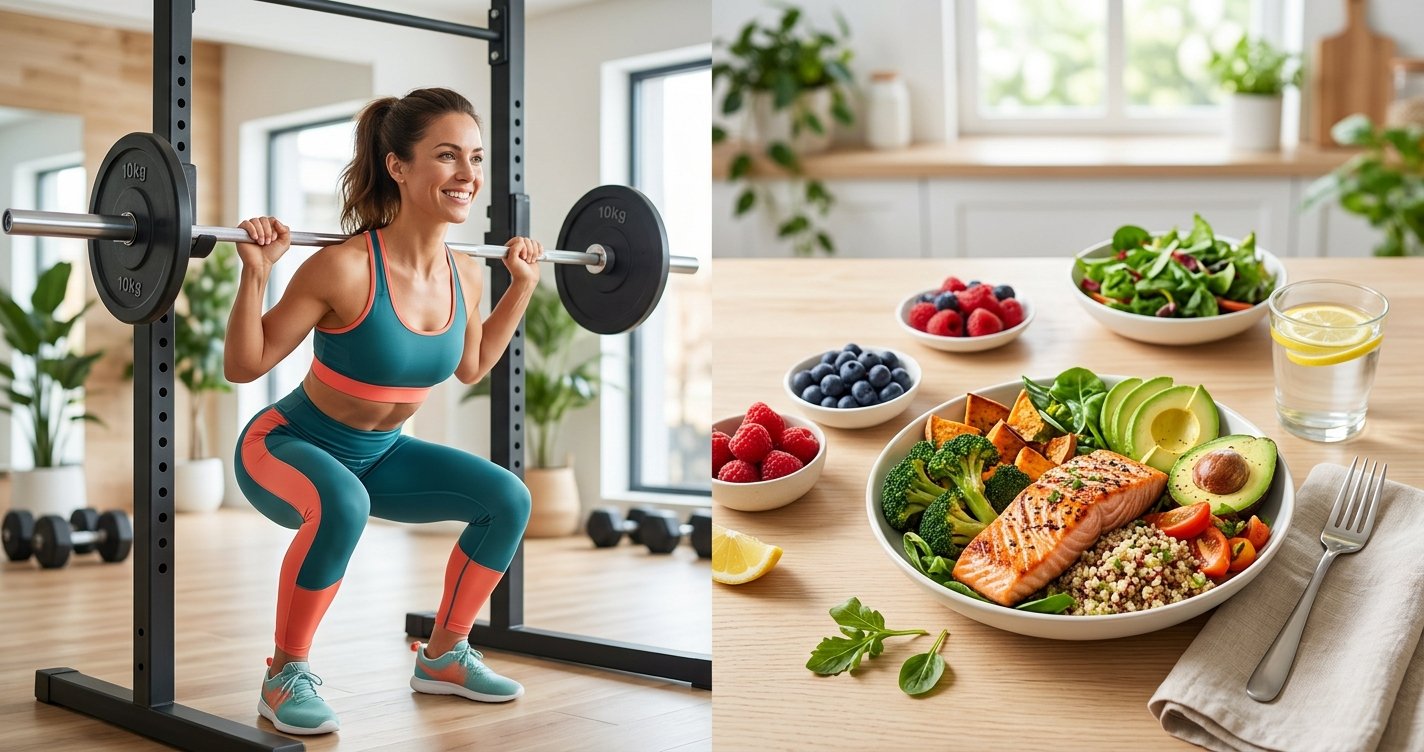
Are you tired of the endless cycle of restrictive diets, quick-fix solutions, and the frustration of losing weight only to gain it back? You’re not alone. Many people embark on a fat loss journey with the best intentions, only to find themselves burnt out and discouraged by unsustainable methods. What if there was a way to achieve lasting results, feel stronger, and nourish your body without deprivation? The good news is, there is! It’s not about magic pills or extreme cleanses; it’s about embracing a powerful, evidence-based approach that combines the incredible benefits of strength training with smart, sustainable nutrition.
This isn't just about fitting into a smaller size; it's about building a healthier, more resilient you from the inside out. We're going to dive deep into how a balanced, friendly approach can help you ditch the diet mentality, boost your metabolism, and achieve sustainable fat loss that truly lasts. Let’s get started! this excellent wellness product
Why Fad Diets Fail (And What Works Instead)
Before we explore what does work, let's briefly touch upon why so many popular fad diets often lead to a dead end. Extreme calorie restriction, eliminating entire food groups, or relying solely on cardio can provide quick initial weight loss, but this is often water weight and muscle, not just fat. These approaches are hard to maintain long-term, leading to nutrient deficiencies, metabolic slowdown, intense cravings, and ultimately, rebound weight gain. They create a negative relationship with food and exercise, making sustainable progress feel impossible.
Instead of chasing quick fixes, we'll focus on building habits that support your body's natural processes for fat loss, muscle gain, and overall vitality. This means understanding your body, fueling it properly, and challenging it consistently.
The Powerhouse Duo: Strength Training for Sustainable Fat Loss
When you think of fat loss, cardio might be the first thing that comes to mind. While cardio has its place, strength training is the unsung hero of sustainable fat loss. It’s not just for bodybuilders; it’s for anyone who wants to transform their body composition and boost their metabolism.
Burn Calories During and After Your Workout (EPOC Effect)
Unlike cardio, where calorie burn largely stops when you do, strength training offers an incredible bonus: the 'afterburn' effect, scientifically known as Excess Post-exercise Oxygen Consumption (EPOC). After a challenging weightlifting session, your body continues to burn extra calories for hours (and sometimes even days!) as it works to repair muscle tissue and restore itself. This means you’re torching more calories even when you're resting, making your body a more efficient fat-burning machine 24/7.
Build Muscle, Boost Metabolism
Muscle is metabolically active tissue, meaning it burns more calories at rest than fat tissue does. The more muscle you have, the higher your Basal Metabolic Rate (BMR) will be. By consistently engaging in strength training, you're not just getting stronger; you're actively building muscle mass, which translates to a constantly elevated metabolism. This makes it easier to maintain a healthy weight and burn fat over the long term, even when you're not actively working out.
Practical Tips for Getting Started with Strength Training
- Focus on Compound Movements: Exercises like squats, deadlifts, bench presses, overhead presses, and rows work multiple muscle groups simultaneously, giving you more bang for your buck.
- Progressive Overload: To keep seeing results, you need to continually challenge your muscles. This means gradually increasing the weight, reps, sets, or decreasing rest time over time.
- Consistency is Key: Aim for 2-4 strength training sessions per week. Don't worry about perfection; just show up and give it your best.
- Proper Form: Prioritize good form over heavy weight to prevent injuries and ensure muscle activation. If unsure, consider working with a certified trainer.
Fueling Your Journey: Smart Nutrition for Sustainable Results
You can't out-train a poor diet. Nutrition plays an equally crucial role in fat loss. But smart nutrition isn't about deprivation; it's about making informed choices that nourish your body, support muscle growth, and create a sustainable calorie deficit.
The Calorie Deficit: It Still Matters
At its core, fat loss requires consuming slightly fewer calories than your body burns. This 'calorie deficit' forces your body to tap into its fat stores for energy. However, the key is a moderate deficit – too drastic, and you risk losing muscle, slowing your metabolism, and feeling constantly hungry and fatigued. Aim for a deficit of 300-500 calories below your maintenance level for steady, sustainable fat loss (typically 1-2 pounds per week).
Protein is Your Best Friend
When it comes to fat loss and muscle preservation, protein is paramount. Here's why:
- Satiety: Protein is incredibly filling, helping you feel fuller for longer and reducing overall calorie intake.
- Muscle Preservation: Adequate protein intake is crucial for protecting your hard-earned muscle mass, especially when in a calorie deficit.
- Thermic Effect: Protein has a higher thermic effect of food (TEF) than carbs or fats, meaning your body burns more calories digesting and metabolizing it.
Aim for 0.7-1 gram of protein per pound of body weight daily, spread across your meals.
Don't Fear Carbs and Fats (Choose Them Wisely)
Carbohydrates and fats have been demonized in various diets, but both are essential for health, energy, and hormone function. The key is choosing the right types and quantities:
- Complex Carbohydrates: Whole grains (oats, brown rice, quinoa), fruits, and vegetables provide sustained energy, fiber, and essential nutrients. They fuel your workouts and aid recovery.
- Healthy Fats: Avocados, nuts, seeds, olive oil, and fatty fish are vital for hormone production, nutrient absorption, and satiety. They also add flavor to your meals.
Focus on nutrient-dense sources rather than highly processed options.
Hydration and Fiber: The Unsung Heroes
- Water: Often overlooked, staying well-hydrated is crucial for metabolism, energy levels, and even satiety. Drink plenty of water throughout the day.
- Fiber: Found in fruits, vegetables, whole grains, and legumes, fiber promotes digestive health, helps regulate blood sugar, and significantly contributes to feelings of fullness.
Beyond the Gym and Kitchen: Lifestyle Factors for Success
Fat loss isn't just about what you do in the gym or eat at the table. Your daily habits and lifestyle choices play a monumental role in your success.
The Crucial Role of Sleep
Lack of sleep can sabotage your fat loss efforts in multiple ways. It disrupts hormones like ghrelin (which stimulates appetite) and leptin (which signals fullness), leading to increased cravings for unhealthy foods. Poor sleep also raises cortisol levels (the stress hormone), which can promote fat storage, especially around the belly. Aim for 7-9 hours of quality sleep per night to optimize your body's fat-burning potential and recovery.
Managing Stress for Better Fat Loss
Chronic stress, much like sleep deprivation, elevates cortisol levels. This can lead to increased appetite, cravings, and a tendency to store fat. Finding healthy ways to manage stress – whether through meditation, yoga, spending time in nature, or hobbies – is vital for both mental well-being and physical results.
Consistency, Patience, and Mindset
Sustainable fat loss is a marathon, not a sprint. There will be days when you feel unmotivated, and progress might seem slow. This is where consistency and a positive mindset become your superpowers. Celebrate small victories, learn from setbacks, and remember that building a healthier lifestyle is a continuous journey. Patience is paramount; your body needs time to adapt and respond to new habits.
Putting It All Together: Your Action Plan
Ready to start your sustainable fat loss journey? Here’s a simple action plan to get you going:
- Prioritize Protein: Include a lean protein source with every meal.
- Embrace Strength Training: Aim for 3 full-body strength training sessions per week.
- Eat Your Veggies: Fill half your plate with non-starchy vegetables at lunch and dinner.
- Stay Hydrated: Drink plenty of water throughout the day.
- Get Quality Sleep: Make sleep a non-negotiable part of your routine.
- Be Patient & Consistent: Understand that progress takes time and celebrate every step forward.
Conclusion
Sustainable fat loss isn't about chasing fleeting trends; it's about building a foundation of strength, smart nutrition, and healthy lifestyle habits that empower you to live your best life. By embracing strength training, fueling your body with nutrient-dense foods, and prioritizing sleep and stress management, you're not just losing fat – you're gaining confidence, energy, and a resilient body that serves you for years to come. Remember, this is your journey, and every small, consistent step brings you closer to your goals. You've got this!