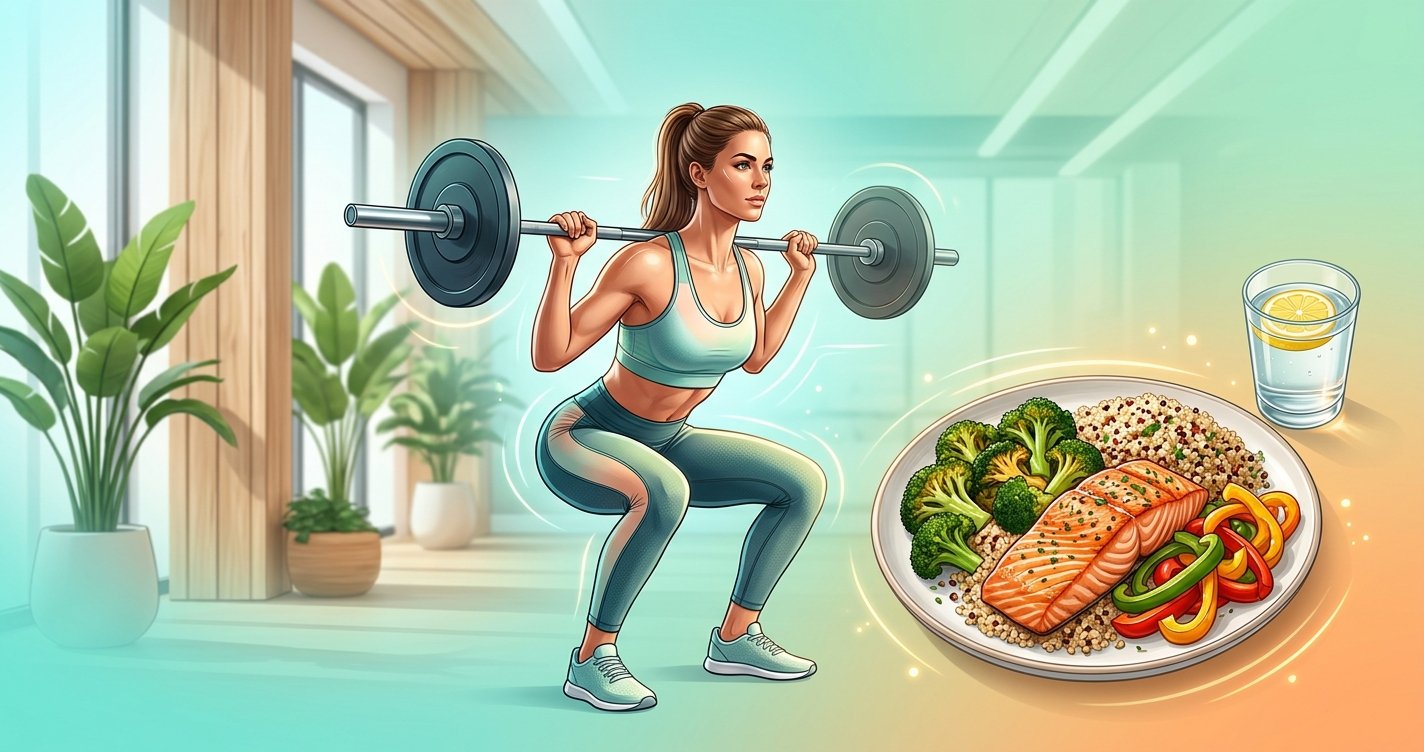
Ever feel like you’re stuck on a hamster wheel when it comes to fat loss? You cut calories, hit the treadmill, and maybe see some initial progress, only for it to plateau or even reverse. It’s frustrating, disheartening, and frankly, not sustainable. What if I told you there’s a more effective, more empowering, and ultimately more enjoyable path to shedding fat and transforming your body? It’s not a secret, but it’s often overlooked: the powerful synergy of strength training and smart nutrition.
Forget the endless cardio and restrictive diets of the past. This guide is your evidence-based, friendly roadmap to understanding why building muscle is your best friend in the battle against fat, and how to fuel that process intelligently. Let’s ditch the quick fixes and embrace a lifestyle that gets you lasting results, boosts your metabolism, and leaves you feeling strong, energized, and confident! this excellent wellness product
Why Traditional "Diet & Cardio" Often Falls Short
For decades, the conventional wisdom for fat loss has been simple: eat less, move more (specifically, do lots of cardio). While a calorie deficit is indeed necessary for fat loss, and cardio has its place for cardiovascular health, relying solely on these two often leads to a few common pitfalls:
- Metabolic Slowdown: Drastic calorie restriction, especially when combined with excessive cardio and insufficient protein, can lead to muscle loss. Muscle is metabolically active tissue, meaning it burns calories even at rest. Less muscle means a slower metabolism, making it harder to lose fat and easier to regain it.
- The "Skinny Fat" Phenomenon: Losing weight without building muscle can leave you looking smaller but still soft, with little definition. This is because you’ve lost both fat and muscle, rather than primarily fat.
- Unsustainability & Hunger: Extreme diets are hard to stick to. Constant hunger, nutrient deficiencies, and a lack of enjoyment often lead to burnout and rebound weight gain. Similarly, hours of monotonous cardio can be demotivating.
- Lack of Body Recomposition: Pure cardio and dieting don’t effectively reshape your body. You might lose weight, but you won’t necessarily build the curves, definition, or strength that many desire.
This isn't to say cardio is bad or diet isn't important. But they are just two pieces of a much larger, more effective puzzle.
The Unsung Hero: Strength Training for Fat Loss
When most people think of fat loss, they picture treadmills and elliptical machines. But the real game-changer? Lifting weights. Here's why strength training is an indispensable tool for sustainable fat loss:
Build Muscle, Boost Metabolism
This is the golden rule! Muscle tissue is metabolically more active than fat tissue. While the exact numbers vary, every pound of muscle you carry burns more calories at rest than a pound of fat. By building muscle through strength training, you effectively turn your body into a more efficient, fat-burning machine 24/7, even when you're just sitting on the couch.
EPOC: The Afterburn Effect
Ever feel exhausted after a tough weightlifting session? That's your body working overtime. Strength training creates a significant "afterburn effect" known as Excess Post-exercise Oxygen Consumption (EPOC). This means your body continues to burn extra calories at an elevated rate for hours, sometimes even days, after your workout as it repairs and rebuilds muscle tissue. Cardio has some EPOC, but it's typically far less pronounced than with intense strength training.
Reshape Your Body, Not Just Shrink It
Beyond the numbers on the scale, strength training fundamentally changes your body composition. It helps you build lean muscle, which gives your body shape, tone, and definition. You might even find that your weight stays relatively stable, but your clothes fit better, and you look leaner and stronger. This is the magic of body recomposition – losing fat while gaining muscle. Plus, it improves bone density, posture, and functional strength for everyday life!
Fueling Your Progress: Nutrition for Sustainable Fat Loss
You can train all you want, but if your nutrition isn't dialed in, your results will be limited. Think of nutrition as the architect and builder of your new, stronger body. Here’s how to approach it:
The Calorie Sweet Spot: Deficit, Not Deprivation
Yes, you still need to be in a calorie deficit to lose fat. However, the key is a moderate deficit (typically 250-500 calories below your maintenance level). This allows for steady fat loss without sacrificing muscle or crashing your metabolism. Starving yourself is counterproductive for long-term results and metabolic health.
Protein Power: Your Muscle's Best Friend
Protein is paramount when you're trying to lose fat and build muscle. It’s essential for muscle repair and growth, which is crucial when you're strength training. Furthermore, protein is incredibly satiating, helping you feel fuller for longer and reducing cravings. Aim for a higher protein intake, around 1.6-2.2 grams per kilogram of body weight per day, distributed throughout your meals.
Smart Carbs: Energy for Your Workouts
Don't fear carbohydrates! They are your body's primary energy source, especially for intense strength training. Focus on complex carbohydrates like whole grains, fruits, vegetables, and legumes. These provide sustained energy, fiber, and essential micronutrients. Timing your carbs around your workouts can also be beneficial, providing fuel before and aiding recovery afterward.
Healthy Fats: Essential for Hormones & Satiety
Healthy fats are crucial for hormone production, nutrient absorption, and overall health. They also contribute to satiety, helping you feel satisfied after meals. Incorporate sources like avocados, nuts, seeds, olive oil, and fatty fish. Remember, fats are calorie-dense, so moderate your portions, but never eliminate them.
Putting It All Together: Your Action Plan
Ready to transform your body and embrace a stronger, leaner you? Here’s how to integrate strength training and smart nutrition into your routine:
Crafting Your Workout Routine
- Frequency: Aim for 3-4 strength training sessions per week. This allows for adequate stimulus and recovery.
- Full Body or Splits: Beginners often benefit from 2-3 full-body workouts per week. More advanced lifters might prefer an upper/lower split or a push/pull/legs (PPL) routine.
- Compound Movements: Prioritize exercises that work multiple muscle groups simultaneously, such as squats, deadlifts, bench presses, overhead presses, and rows. These are highly effective for building muscle and burning calories.
- Progressive Overload: This is the secret sauce! To keep building muscle, you need to continually challenge your muscles. This means gradually increasing the weight you lift, the number of repetitions, or the volume of your workouts over time.
- Mix in Cardio (Strategically): While strength training is primary, 1-2 sessions of moderate-intensity cardio or HIIT per week can further enhance fat loss and cardiovascular health.
Mastering Your Meal Prep & Planning
- Prioritize Whole Foods: Build your meals around lean proteins, plenty of vegetables, complex carbohydrates, and healthy fats.
- Track & Adjust: For a period, consider tracking your food intake to ensure you're hitting your protein targets and staying within your calorie deficit. There are many apps available to help with this.
- Hydration is Key: Drink plenty of water throughout the day. It supports metabolism, aids satiety, and is vital for overall health.
- Smart Snacking: If you need snacks, choose protein-rich options like Greek yogurt, cottage cheese, or a handful of nuts.
Listen to Your Body & Prioritize Recovery
Your progress happens outside the gym. Recovery is non-negotiable:
- Sleep: Aim for 7-9 hours of quality sleep per night. Sleep deprivation can impair muscle recovery, increase hunger hormones, and hinder fat loss.
- Stress Management: Chronic stress elevates cortisol, which can promote fat storage, especially around the midsection. Find healthy ways to manage stress, such as meditation, walks, or hobbies.
- Rest Days: Don’t skip them! Your muscles need time to repair and grow stronger. Active recovery (light walks, stretching) can be beneficial on rest days.
Beyond the Scale: Measuring True Progress
The scale can be a deceptive friend. When you're building muscle and losing fat, your weight might not drop as quickly, or it might even stay the same, which can be discouraging if you're only looking at numbers. Here are better ways to measure your success:
- Strength Gains: Are you lifting heavier? Doing more reps? That’s fantastic progress!
- Body Measurements: Take measurements of your waist, hips, arms, and thighs every 4-6 weeks. You might see inches drop even if the scale doesn't budge.
- Progress Photos: Take photos every 4-8 weeks in the same lighting and pose. Visual changes can be incredibly motivating.
- How Your Clothes Fit: Are your jeans looser? Is that shirt fitting better? This is real-world progress.
- Energy Levels & Mood: Are you feeling more energetic, happier, and more confident? These are invaluable non-scale victories!
Embrace the Journey to a Stronger You!
Sustainable fat loss isn't about deprivation or endless hours on the treadmill. It's about empowering your body through the intelligent combination of strength training and smart nutrition. By building muscle, boosting your metabolism, and fueling your body with the right nutrients, you're not just losing weight – you're building a stronger, healthier, and more resilient version of yourself.
This journey takes consistency, patience, and a willingness to embrace new habits. But the rewards – a leaner physique, increased strength, boundless energy, and unwavering confidence – are absolutely worth it. So, grab those weights, plan your nourishing meals, and start building the body you’ve always dreamed of. You’ve got this!