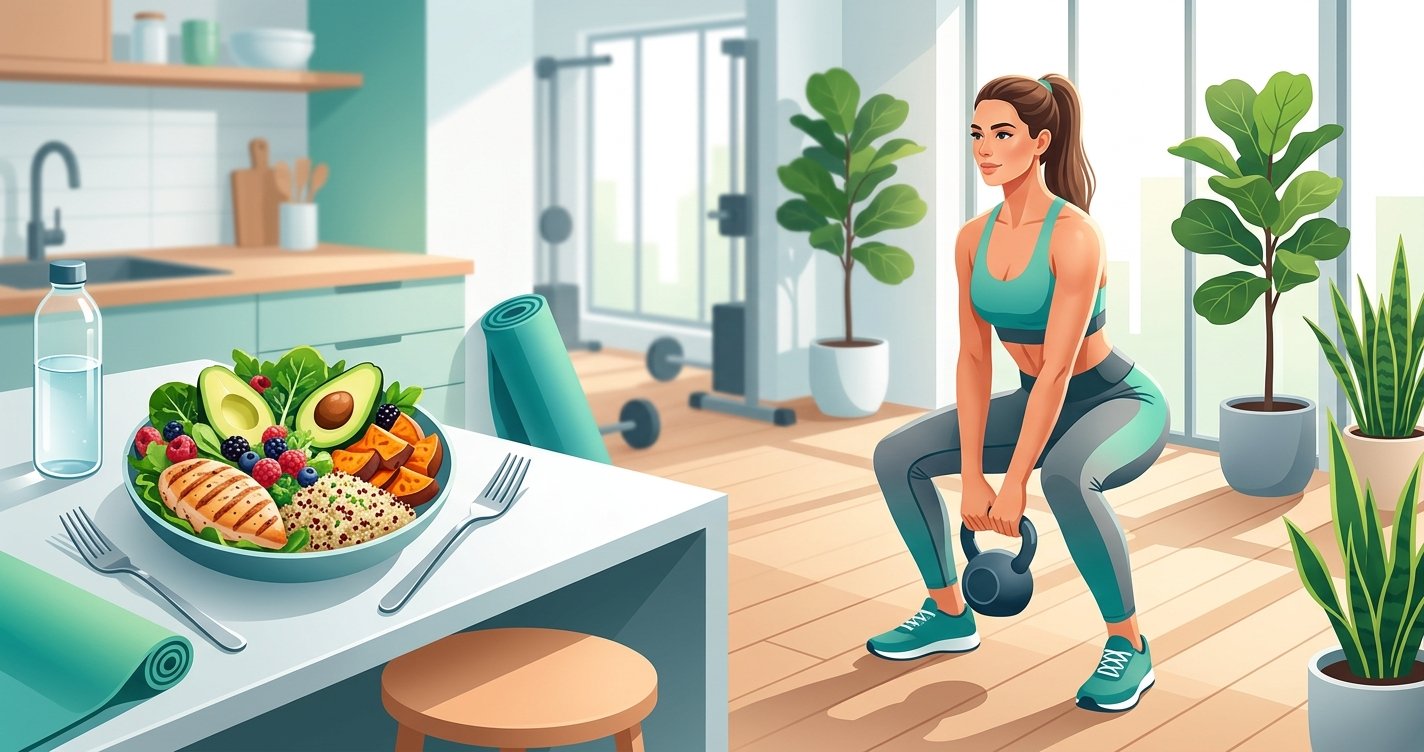
Tired of the fat loss merry-go-round of restrictive diets and grueling cardio? Many struggle with temporary results and frustration. There’s a better way: a sustainable, empowering path built on solid science, making you stronger, healthier, and more confident. Welcome to sustainable fat loss, where strength training and smart nutrition become your most powerful allies.
This isn't about quick fixes or magic pills. It's about understanding your body, making informed choices, and building habits that last a lifetime. Let's dive deep into an evidence-based approach that will transform your body composition, boost your metabolism, and help you achieve fat loss that truly sticks. this excellent wellness product
The Foundation: Understanding Calorie Deficit (Without Starvation!)
At its core, fat loss boils down to one fundamental principle: consuming fewer calories than your body burns. This creates a "calorie deficit," forcing your body to tap into its stored fat reserves for energy. However, this doesn't mean you need to starve yourself or eat tiny portions of bland food. The key is a moderate, sustainable deficit that supports your energy levels and preserves muscle mass.
How to Calculate Your Maintenance Calories
Your maintenance calories are the number of calories your body needs to maintain its current weight. This varies based on age, gender, weight, height, and activity level. Use online TDEE (Total Daily Energy Expenditure) calculators for an estimate, being honest about your activity level!
- Sedentary: Little to no exercise.
- Lightly Active: Light exercise/sports 1-3 days/week.
- Moderately Active: Moderate exercise/sports 3-5 days/week.
- Very Active: Hard exercise/sports 6-7 days/week.
- Extremely Active: Hard daily exercise/physical job.
Creating a Moderate, Sustainable Deficit
Once you have an estimate of your maintenance calories, aim to subtract 300-500 calories per day to create a deficit. This typically leads to a fat loss of 0.5 to 1 pound per week, which is considered a healthy and sustainable rate. Larger deficits can lead to muscle loss, nutrient deficiencies, and make adherence extremely difficult, often resulting in burnout and binge eating.
Remember, this number isn't set in stone. Your body adapts, so you might need to adjust as you progress. Listen to your body and monitor your progress consistently.
Strength Training: Your Fat-Loss Superpower
When most people think of fat loss exercise, they picture endless hours on the treadmill. While cardio has its place, strength training is the unsung hero of sustainable fat loss. It doesn't just burn calories during your workout; it transforms your body's ability to burn fat 24/7.
Why Lift Weights for Fat Loss? (Beyond Burning Calories)
- Preserves Muscle Mass: In a calorie deficit, strength training signals your body to preserve (or even build) muscle, directing energy towards fat loss instead.
- Boosts Metabolism: Muscle is metabolically active, burning more calories at rest than fat. More muscle means a higher resting metabolic rate (RMR), making your body a more efficient fat-burning machine 24/7.
- Increases EPOC (Afterburn Effect): After a challenging strength training session, your body continues to burn extra calories for hours as it recovers and repairs muscle tissue. This is known as Excess Post-exercise Oxygen Consumption.
- Improves Body Composition: You'll notice changes in how your clothes fit and how your body looks. You'll become leaner, firmer, and more toned – a much more desirable outcome than simply being "lighter" but still soft.
- Enhances Overall Health: Beyond fat loss, strength training improves bone density, reduces the risk of chronic diseases, boosts mood, and increases functional strength for daily life.
Getting Started: A Simple Routine for Beginners
You don't need to be a powerlifter to reap the benefits. Start with 2-3 full-body strength training sessions per week. Focus on compound movements that work multiple muscle groups simultaneously.
- Squats: Bodyweight, goblet squats, or barbell squats.
- Deadlifts/Romanian Deadlifts: With dumbbells or barbells.
- Push-ups/Bench Press: On knees, incline, or flat.
- Rows: Dumbbell rows, cable rows, or inverted rows.
- Overhead Press: Dumbbell or barbell.
- Lunges: Forward, reverse, or walking.
Aim for 3 sets of 8-12 repetitions for each exercise. If you're new, consider working with a certified personal trainer to learn proper form and prevent injury.
Progressive Overload: The Key to Continued Progress
To keep building muscle and boosting your metabolism, you need to continually challenge your muscles. This is called progressive overload. It means gradually increasing the demand placed on your musculoskeletal system. This can be done by:
- Increasing the weight you lift.
- Doing more repetitions with the same weight.
- Increasing the number of sets.
- Decreasing rest time between sets.
- Improving your form and control.
Without progressive overload, your body adapts, and your progress will stall. Keep pushing yourself, safely and consistently!
Smart Nutrition: Fueling Your Body for Success
You can't out-train a bad diet. While strength training is crucial, nutrition is the other half of the fat loss equation. It's not about deprivation; it's about making smart, nutrient-dense choices that support your energy, satiety, and muscle preservation.
Prioritizing Protein: The Satiety and Muscle-Preservation Hero
Protein is your best friend for fat loss. Here's why:
- High Thermic Effect: Protein requires more energy to digest than fats or carbs, boosting calorie burn simply by eating it.
- Satiety: Protein is incredibly filling, helping you feel fuller for longer and reducing cravings, making it easier to stick to your calorie deficit.
- Muscle Preservation: Adequate protein intake is essential for repairing muscle tissue after workouts and preventing muscle loss during a calorie deficit.
Aim for 0.7-1 gram of protein per pound of body weight per day. Good sources include lean meats, poultry, fish, eggs, dairy, legumes, and protein supplements.
The Role of Healthy Fats and Complex Carbs
Don't cut out entire food groups! Healthy fats and complex carbohydrates play vital roles:
- Healthy Fats: Essential for hormone production, nutrient absorption, and overall health. They also contribute to satiety. Focus on sources like avocados, nuts, seeds, olive oil, and fatty fish.
- Complex Carbohydrates: Provide sustained energy for your workouts and daily activities. Choose whole grains, fruits, vegetables, and legumes over refined sugars and processed carbs. They are also packed with fiber, which aids digestion and satiety.
Balance is key. A general guideline for macronutrient distribution in a fat loss phase might be 30-40% protein, 30-40% carbohydrates, and 20-30% fats, but this can be highly individualized.
Hydration and Micronutrients: Don't Forget the Basics
Often overlooked, but critical:
- Water: Stay well-hydrated. Water helps with metabolism, satiety, and overall bodily functions. Aim for at least 8 glasses a day, more if you're active.
- Micronutrients: Vitamins and minerals found in fruits, vegetables, and whole foods are essential for energy production, hormone balance, and countless other processes. A diverse diet ensures you're getting what you need.
Practical Tips: Meal Prep and Mindful Eating
- Meal Prep: Planning meals in advance saves time, reduces stress, and prevents unhealthy impulse eating.
- Mindful Eating: Pay attention to your hunger and fullness cues. Eat slowly, savor your food, and avoid distractions. This helps you recognize when you're truly satisfied.
- Track Progress, Not Perfection: Use a food tracking app for a few weeks to understand your intake, but don't obsess over perfection. Focus on consistent, healthy habits.
Beyond the Gym & Plate: Lifestyle Factors for Lasting Results
Fat loss isn't just about what you do in the gym or at the dinner table. Your overall lifestyle plays a massive role in your body's ability to shed fat and maintain a healthy weight.
The Importance of Sleep
Sleep deprivation can wreak havoc on your fat loss efforts. Lack of sleep:
- Increases Hunger Hormones: Boosts ghrelin (hunger hormone) and decreases leptin (satiety hormone), leading to increased cravings, especially for high-calorie foods.
- Impairs Insulin Sensitivity: Makes your body less effective at processing carbohydrates, potentially leading to increased fat storage.
- Reduces Energy and Motivation: Makes you less likely to work out and more likely to make poor food choices.
Aim for 7-9 hours of quality sleep per night. Prioritize it like you would your workouts and nutrition.
Stress Management: A Silent Saboteur
Chronic stress triggers the release of cortisol, a hormone that, in excess, can promote fat storage (especially around the abdomen) and increase cravings for sugary, fatty foods. Find healthy ways to manage stress:
- Meditation or deep breathing.
- Yoga or gentle exercise.
- Spending time in nature.
- Hobbies and social connection.
Non-Exercise Activity Thermogenesis (NEAT)
NEAT refers to energy expended in non-exercise activities like walking, fidgeting, and standing. Boosting NEAT daily significantly increases calorie burn without formal workouts.
- Take the stairs instead of the elevator.
- Park further away.
- Stand up and stretch every hour.
- Go for short walks during breaks.
- Walk while talking on the phone.
Consistency Over Perfection: The Marathon, Not a Sprint
Your fat loss journey will have ups and downs. There will be days you miss a workout, or you indulge more than planned. That's okay! The key is to be consistent most of the time. Don't let one "bad" meal or missed session derail your entire progress. Get back on track with your next meal or workout. This is a lifestyle change, not a temporary diet.
Celebrate small victories, learn from setbacks, and be patient with yourself. Sustainable fat loss takes time, dedication, and a commitment to continuous learning and adjustment.
Conclusion: Your Journey to a Healthier, Stronger You
Embracing sustainable fat loss through strength training and smart nutrition is one of the most empowering decisions you can make for your health and well-being. It moves beyond the fleeting promises of crash diets and instead offers a robust, evidence-backed framework for lasting change. By focusing on building strength, fueling your body with nutrient-dense foods, prioritizing sleep, and managing stress, you're not just losing fat; you're building a stronger, healthier, more resilient you. This journey is a marathon, not a sprint, and every step you take, however small, is a step towards a healthier, more vibrant future. You've got this!