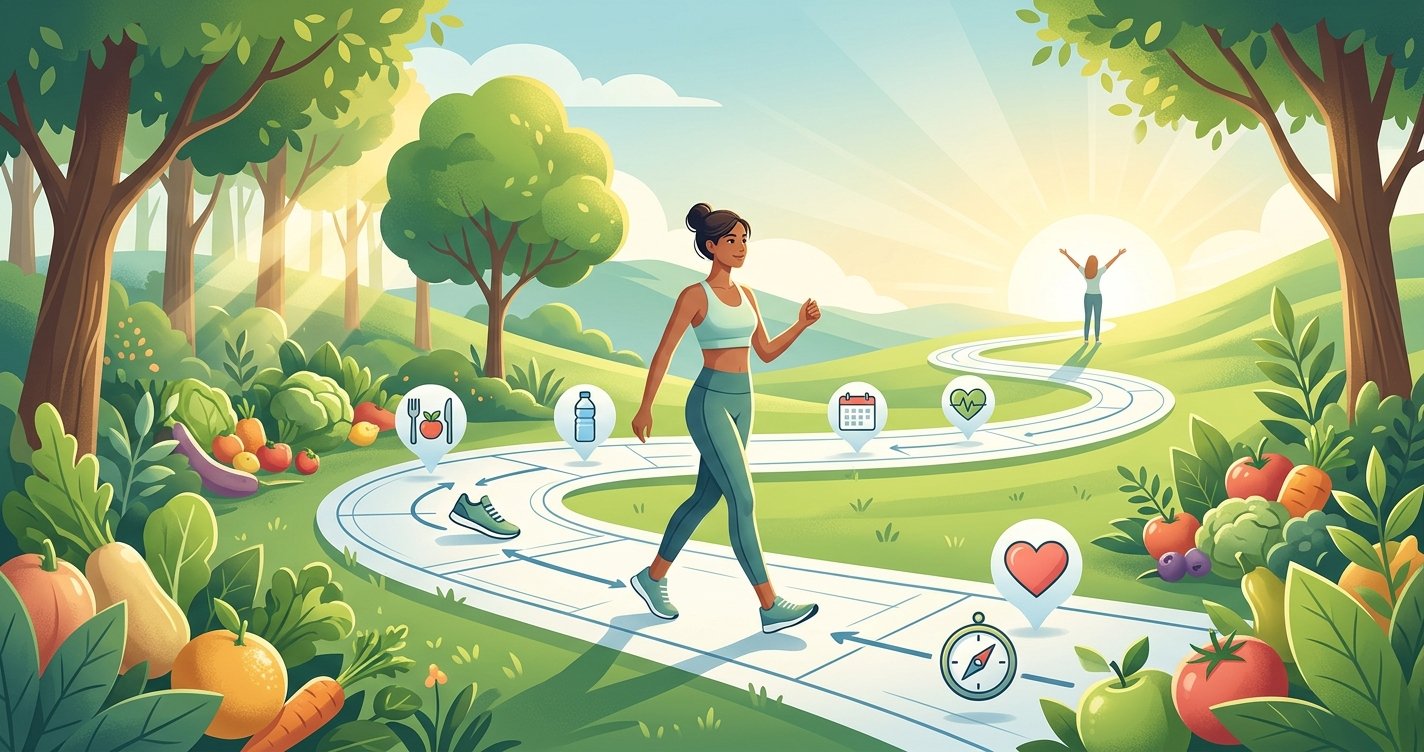
Are you tired of the endless cycle of crash diets, restrictive eating, and rapid weight loss only to gain it all back, and sometimes more? You're not alone. Millions embark on fat loss journeys each year, often driven by quick fixes that promise dramatic results but rarely deliver lasting change. The good news? Sustainable fat loss isn't a myth; it's a science-backed approach that focuses on building healthy habits for life, not just for a season.
This comprehensive guide will equip you with the knowledge and tools to break free from the yo-yo dieting trap. We'll explore evidence-based strategies covering nutrition, exercise, lifestyle, and mindset, all designed to help you achieve a healthier body composition and maintain it for the long run. Get ready to transform your approach to fat loss, fostering a healthier relationship with food and your body, and ultimately, thriving. this excellent wellness product
The Vicious Cycle: Why Crash Diets Always Fail
Before we dive into what works, let's understand why traditional, overly restrictive diets are often doomed to fail. These approaches typically involve drastic calorie cuts, eliminating entire food groups, and pushing your body to its limits. While they might show initial rapid weight loss, much of this is water weight and muscle, not just fat.
Understanding Metabolic Adaptation
When you drastically cut calories, your body perceives it as a famine. In an attempt to conserve energy, your metabolism slows down – a process known as metabolic adaptation. Your body becomes incredibly efficient at running on fewer calories, making further fat loss increasingly difficult. As soon as you return to normal eating patterns, your slowed metabolism is primed to store fat, leading to rapid weight regain, often surpassing your starting weight.
The Psychological Toll
Beyond the physical, crash diets wreak havoc on your mental well-being. Constant hunger, deprivation, and the feeling of failure can lead to increased stress, anxiety, and an unhealthy obsession with food. This often culminates in binge eating, self-sabotage, and a complete loss of motivation. Sustainable fat loss prioritizes both physical and mental health, recognizing that true well-being is holistic.
Build Your Foundation: Nutrition for Sustainable Fat Loss
Nutrition is arguably the most critical component of any fat loss journey. However, sustainable nutrition isn't about deprivation; it's about smart choices, balance, and consistency. The goal is to create a moderate caloric deficit (eating slightly fewer calories than your body burns) while providing your body with abundant nutrients.
Prioritize Protein Power
Protein is your best friend for fat loss. It's highly satiating, meaning it keeps you feeling full for longer, reducing cravings and overall calorie intake. Furthermore, protein has a higher thermic effect of food (TEF) – it requires more energy to digest and metabolize compared to carbs or fats. Crucially, adequate protein intake helps preserve lean muscle mass during a calorie deficit, which is vital for maintaining a healthy metabolism. Aim for 0.7-1 gram of protein per pound of body weight.
- Sources: Lean meats, poultry, fish, eggs, dairy (Greek yogurt, cottage cheese), legumes, tofu, protein powder.
Embrace Whole, Unprocessed Foods
Focus your diet on whole, minimally processed foods. These foods are generally nutrient-dense, higher in fiber, and less likely to contain hidden sugars, unhealthy fats, and excessive sodium found in processed alternatives. Think fruits, vegetables, whole grains, and healthy fats.
Smart Carb and Healthy Fat Choices
Carbohydrates provide energy, and while some low-carb diets gain popularity, they're not necessary for sustainable fat loss for everyone. Focus on complex carbohydrates like oats, brown rice, quinoa, and sweet potatoes, which provide sustained energy and fiber. Healthy fats (avocados, nuts, seeds, olive oil) are essential for hormone production, nutrient absorption, and satiety, but remember they are calorie-dense, so portion control is key.
The Power of Mindful Eating
Beyond what you eat, how you eat matters. Practice mindful eating by paying attention to your hunger and fullness cues, eating slowly, and savoring your meals. This helps prevent overeating and fosters a healthier relationship with food, moving away from emotional or mindless consumption.
Move with Purpose: Exercise as Your Ally
While you can't out-train a bad diet, exercise plays a crucial role in sustainable fat loss. It helps create a caloric deficit, builds and preserves muscle mass, boosts metabolism, and offers immense physical and mental health benefits.
The Undeniable Benefits of Strength Training
Don't skip the weights! Strength training is paramount for fat loss. Building muscle increases your basal metabolic rate (BMR), meaning you burn more calories at rest. It also improves body composition, giving you a more toned and defined physique. Aim for 2-4 full-body strength training sessions per week, focusing on compound movements (squats, deadlifts, presses, rows).
Cardio for Heart Health and Calorie Burn
Cardiovascular exercise complements strength training by burning calories, improving heart health, and enhancing endurance. Incorporate a mix of steady-state cardio (jogging, cycling) and high-intensity interval training (HIIT) for varied benefits. Find activities you enjoy to ensure consistency – whether it's dancing, hiking, or swimming.
Maximizing NEAT: Move More, Sit Less
Non-Exercise Activity Thermogenesis (NEAT) refers to the calories you burn through everyday activities outside of structured exercise. This includes walking, fidgeting, taking the stairs, and cleaning. Small increases in NEAT throughout the day can significantly contribute to your overall calorie expenditure. Try to incorporate more movement into your daily routine – park further away, take walking breaks, or stand while working.
Beyond the Plate and Gym: Lifestyle Pillars of Success
Sustainable fat loss isn't just about diet and exercise; it's deeply intertwined with your overall lifestyle. Neglecting these crucial factors can sabotage even the most diligent efforts.
The Critical Role of Quality Sleep
Sleep deprivation is a silent enemy of fat loss. Lack of sleep disrupts hunger-regulating hormones: ghrelin (increases appetite) and leptin (signals fullness). It also elevates cortisol, a stress hormone linked to increased belly fat storage. Aim for 7-9 hours of quality sleep per night to optimize your hormones, energy levels, and decision-making abilities.
Mastering Stress for Fat Loss
Chronic stress, like sleep deprivation, leads to elevated cortisol levels. High cortisol can increase cravings for unhealthy foods and promote fat storage, particularly in the abdominal area. Incorporate stress-reducing practices into your daily life, such as meditation, yoga, spending time in nature, deep breathing exercises, or engaging in hobbies you enjoy.
Hydration: Your Unsung Hero
Often overlooked, adequate hydration is fundamental. Water plays a role in metabolism, nutrient transport, and can even help with satiety. Sometimes, what feels like hunger is actually thirst. Aim to drink plenty of water throughout the day, and consider having a glass before meals.
The Mindset Shift: Cultivating Resilience and Patience
Perhaps the most challenging, yet rewarding, aspect of sustainable fat loss is the mental shift required. This journey is a marathon, not a sprint, and your mindset will determine your long-term success.
Ditch Perfection, Embrace Consistency
No one is perfect, and expecting perfection is a recipe for disappointment. There will be days when you overeat, miss a workout, or don't feel motivated. The key is to not let one slip-up derail your entire journey. Acknowledge it, learn from it, and get back on track with your next meal or workout. Consistency over time yields far greater results than sporadic bursts of perfection.
Focus on Health, Not Just the Scale
While the scale can be a useful tool, it doesn't tell the whole story. Body weight fluctuates due to water retention, muscle gain, and other factors. Instead, focus on non-scale victories: increased energy, improved strength, better sleep, clothes fitting better, and enhanced mood. These are true indicators of progress and health, and they are far more motivating in the long run.
Navigating Plateaus and Setbacks
Plateaus are a natural part of any fat loss journey. When progress stalls, don't despair. Re-evaluate your nutrition and exercise, ensure you're still in a slight deficit, and consider adjustments. Setbacks, like injuries or unexpected life events, can also occur. Be kind to yourself, adjust your expectations, and focus on what you can control. Your health journey is a lifelong process.
Your Personalized Path to Lasting Fat Loss
There's no one-size-fits-all approach to sustainable fat loss. What works beautifully for one person might not be ideal for another due to individual preferences, genetics, lifestyle, and health conditions.
Listen to Your Body
Pay attention to how different foods and exercise routines make you feel. Do certain foods cause bloating or discomfort? Does a particular workout leave you energized or completely drained? Experiment, track your progress (beyond just weight), and adjust your strategy based on your unique responses.
Consider Professional Guidance
If you're feeling overwhelmed or struggling to make progress, consider consulting with a qualified professional. A registered dietitian can help create a personalized nutrition plan, while a certified personal trainer can design an effective and safe exercise program. For underlying health concerns, a doctor's input is invaluable.
Conclusion: Your Journey to a Healthier, Happier You Begins Now
Sustainable fat loss is a journey of self-discovery, patience, and commitment to your long-term health. It's about making small, consistent changes that accumulate over time, leading to profound and lasting results. Forget the quick fixes and embrace a lifestyle that nourishes your body, strengthens your mind, and fills you with energy.
Start small, be consistent, and be kind to yourself. Celebrate every victory, learn from every setback, and remember that every healthy choice you make is a step towards a happier, healthier, and more vibrant you. Your sustainable fat loss journey isn't just about losing weight; it's about gaining a life of well-being. You have the power to create lasting change – begin today!