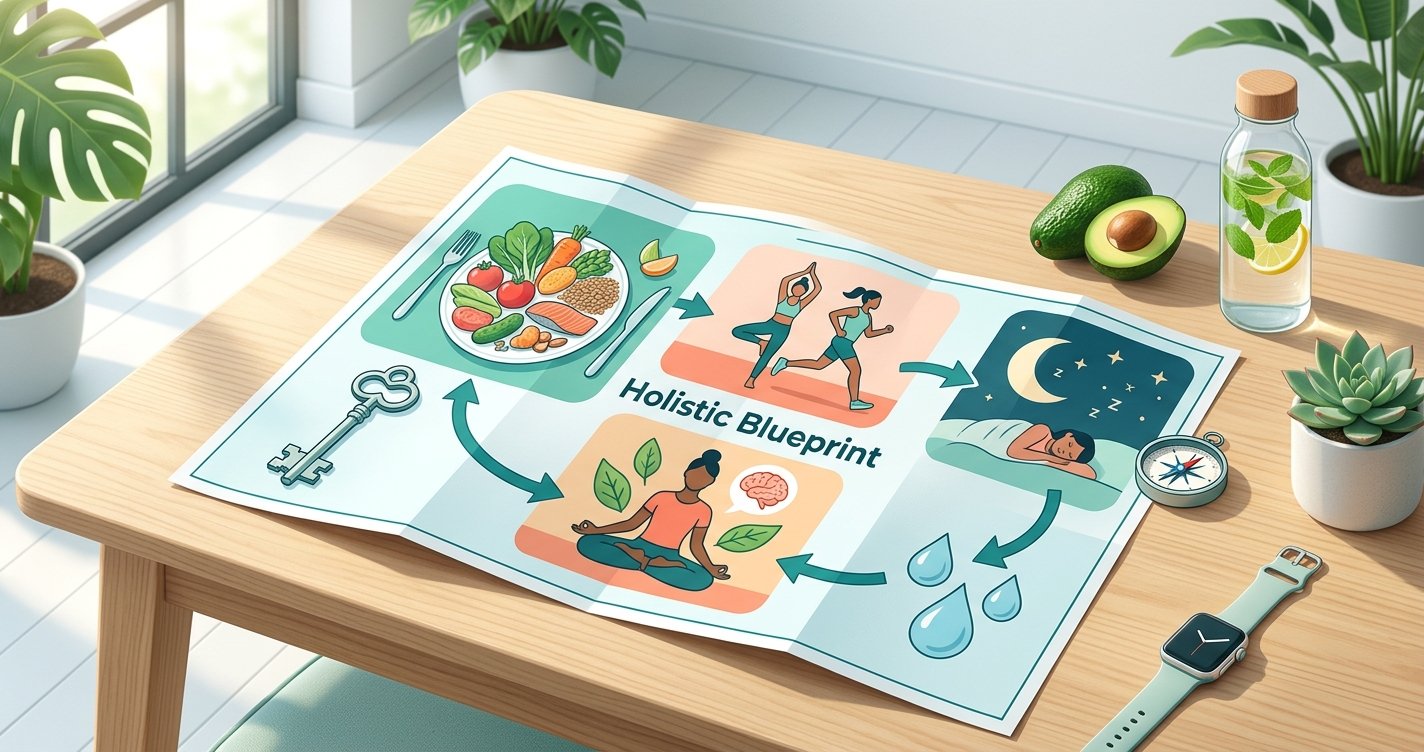
Are you tired of the endless cycle of crash diets, quick fixes, and the disheartening 'yo-yo' effect? Many of us have been there, chasing rapid weight loss only to find ourselves back where we started, often feeling more frustrated and less confident than before. It’s time to shift our perspective from temporary deprivation to lasting transformation. This isn’t just about shedding pounds; it’s about embracing a lifestyle that promotes sustainable fat loss, vibrant health, and unwavering confidence from the inside out.
In this comprehensive guide, we'll dive deep into the science-backed strategies for achieving sustainable fat loss, moving beyond the restrictive diets and into a holistic approach that truly works. We’ll explore how nutrition, movement, sleep, stress management, and mindset all play crucial roles in your journey. Get ready to unlock the secrets to a healthier, happier you, for good! this excellent wellness product
Why Quick Fixes Fail: The Cycle of Dieting
The allure of rapid weight loss is powerful. Whether it's a juice cleanse promising a 'detox' or an extreme calorie-restricted diet, these quick fixes often lead to initial drops on the scale. However, most of this initial loss is water weight and muscle, not true body fat. Why do these approaches inevitably lead to failure for the vast majority?
- Metabolic Adaptation: When you drastically cut calories, your body perceives it as starvation. Your metabolism slows down to conserve energy, making it harder to burn fat.
- Muscle Loss: Extreme diets often don't provide enough protein, leading to muscle breakdown. Muscle is metabolically active tissue, so losing it further reduces your resting metabolic rate.
- Hormonal Imbalance: Restrictive eating can disrupt hunger and satiety hormones like leptin and ghrelin, leading to increased cravings and a constant feeling of hunger.
- Unsustainability: These diets are rarely enjoyable or practical for the long term. They lead to feelings of deprivation, making them impossible to maintain, inevitably leading to a rebound.
- Psychological Toll: The constant struggle and eventual 'failure' can damage your relationship with food and your body, fostering guilt and frustration.
True sustainable fat loss requires a shift away from this cycle and towards strategies that respect your body's physiology and promote overall well-being.
The Cornerstone of Sustainable Fat Loss: Nutrition That Nourishes
At its core, fat loss requires a consistent calorie deficit – consuming fewer calories than your body expends. However, the quality of those calories is just as important as the quantity. This isn't about deprivation; it's about intelligent, nourishing choices.
Prioritize Protein for Satiety and Muscle Preservation
Protein is your best friend on a fat loss journey. It's highly satiating, meaning it keeps you feeling full for longer, reducing the urge to snack. Crucially, adequate protein intake helps preserve muscle mass while you're in a calorie deficit, which is vital for keeping your metabolism revving. Aim for 0.7-1 gram of protein per pound of body weight. Think lean meats, poultry, fish, eggs, dairy, legumes, and tofu.
Embrace Complex Carbohydrates and Healthy Fats
Don't fear carbs or fats! The right kinds are essential for energy, hormone production, and nutrient absorption. Focus on complex carbohydrates like whole grains (oats, brown rice, quinoa), fruits, and vegetables. These provide sustained energy and fiber, which aids digestion and satiety. Healthy fats from avocados, nuts, seeds, and olive oil are crucial for hormone function and can help you feel satisfied after meals.
Whole Foods Over Processed
This rule is simple yet profound. Whole, unprocessed foods are nutrient-dense and typically lower in calories, added sugars, and unhealthy fats than their processed counterparts. Filling your plate with colorful vegetables, lean proteins, and whole grains naturally reduces your intake of empty calories.
Mindful Eating and Portion Control
Beyond what you eat, how you eat matters. Practice mindful eating: slow down, savor your food, and pay attention to your body's hunger and fullness cues. This helps prevent overeating and fosters a healthier relationship with food. Learn to recognize appropriate portion sizes, as even healthy foods can contribute to a calorie surplus if eaten in excess.
Move Your Body, Not Just the Scale: The Power of Activity
Exercise isn't just about burning calories; it's about building a stronger, healthier, and more metabolically active body. A holistic approach to fat loss integrates various forms of movement.
Strength Training: Your Metabolic Supercharger
This is arguably the most underrated component of sustainable fat loss. Building muscle increases your resting metabolic rate, meaning you burn more calories even at rest. Strength training also improves body composition, making you look leaner and more toned, regardless of what the scale says. Aim for 2-4 sessions per week, focusing on compound movements like squats, deadlifts, presses, and rows.
Cardio: Heart Health and Calorie Burn
Cardiovascular exercise, whether it's brisk walking, jogging, cycling, or swimming, is excellent for heart health, improves endurance, and contributes to your daily calorie expenditure. Find activities you enjoy – this makes consistency much easier. Incorporate a mix of moderate-intensity steady-state cardio and perhaps some high-intensity interval training (HIIT) if appropriate for your fitness level.
NEAT: The Unsung Hero of Daily Activity
NEAT, or Non-Exercise Activity Thermogenesis, refers to the calories you burn through everyday movements not related to structured exercise. Think walking, standing, fidgeting, taking the stairs, or doing household chores. Increasing your NEAT throughout the day can significantly boost your overall calorie expenditure without feeling like a 'workout.' Aim for more steps, stand more often, and find ways to be more active in your daily routine.
Beyond Diet and Exercise: The Unsung Heroes of Fat Loss
Sustainable fat loss isn't just about what you eat and how you move. Several other lifestyle factors play a crucial, often overlooked, role.
Sleep: The Ultimate Regulator
Poor sleep can sabotage your fat loss efforts. Sleep deprivation disrupts hormones that control hunger (ghrelin) and satiety (leptin), making you feel hungrier and less satisfied. It also increases cortisol, a stress hormone that can promote fat storage, particularly around the belly. Aim for 7-9 hours of quality sleep per night to optimize your body's fat-burning potential.
Stress Management: Taming Cortisol
Chronic stress triggers the release of cortisol, which, as mentioned, can encourage fat storage and increase cravings for high-calorie comfort foods. Finding healthy ways to manage stress – through meditation, yoga, spending time in nature, hobbies, or deep breathing exercises – is vital for both your mental well-being and your fat loss journey.
Hydration: Simple Yet Powerful
Staying adequately hydrated is crucial for numerous bodily functions, including metabolism. Sometimes, thirst can be mistaken for hunger, leading to unnecessary snacking. Drinking plenty of water throughout the day can also help you feel fuller and support your body's fat-burning processes. Aim for at least 8 glasses (around 2 liters) of water daily.
Building Lasting Habits: Your Blueprint for Success
Sustainable fat loss isn't about perfection; it's about consistency and progress. It's about making small, manageable changes that you can stick with for life.
- Set Realistic Goals: Aim for a gradual and steady fat loss of 1-2 pounds per week. This pace is more sustainable and helps preserve muscle mass.
- Focus on Habits, Not Just Outcomes: Instead of obsessing over the scale, focus on building healthy habits: daily walks, consistent protein intake, prioritizing sleep. The results will follow.
- Track Your Progress (Beyond the Scale): The scale doesn't tell the whole story. Take measurements, track how your clothes fit, notice increases in energy, strength, and overall well-being.
- Embrace Patience and Self-Compassion: This is a journey, not a sprint. There will be good days and challenging days. Don't let setbacks derail you. Learn from them, adjust, and keep moving forward with kindness towards yourself.
- Seek Support: Whether it's a friend, family member, coach, or online community, having a support system can provide motivation and accountability.
Your Journey to Lasting Health Begins Now
Sustainable fat loss is not about restrictive diets or grueling workouts you dread. It's about cultivating a lifestyle that nourishes your body, energizes your mind, and supports your overall well-being. By focusing on nutrient-dense foods, consistent and enjoyable movement, quality sleep, stress management, and a positive mindset, you're not just losing fat – you're building a foundation for a healthier, happier life that truly lasts.
Ditch the quick fixes and embrace the holistic approach. Your body and mind will thank you for it. Start today by choosing one small, positive change you can commit to, and watch as these consistent efforts compound into incredible, lasting results.