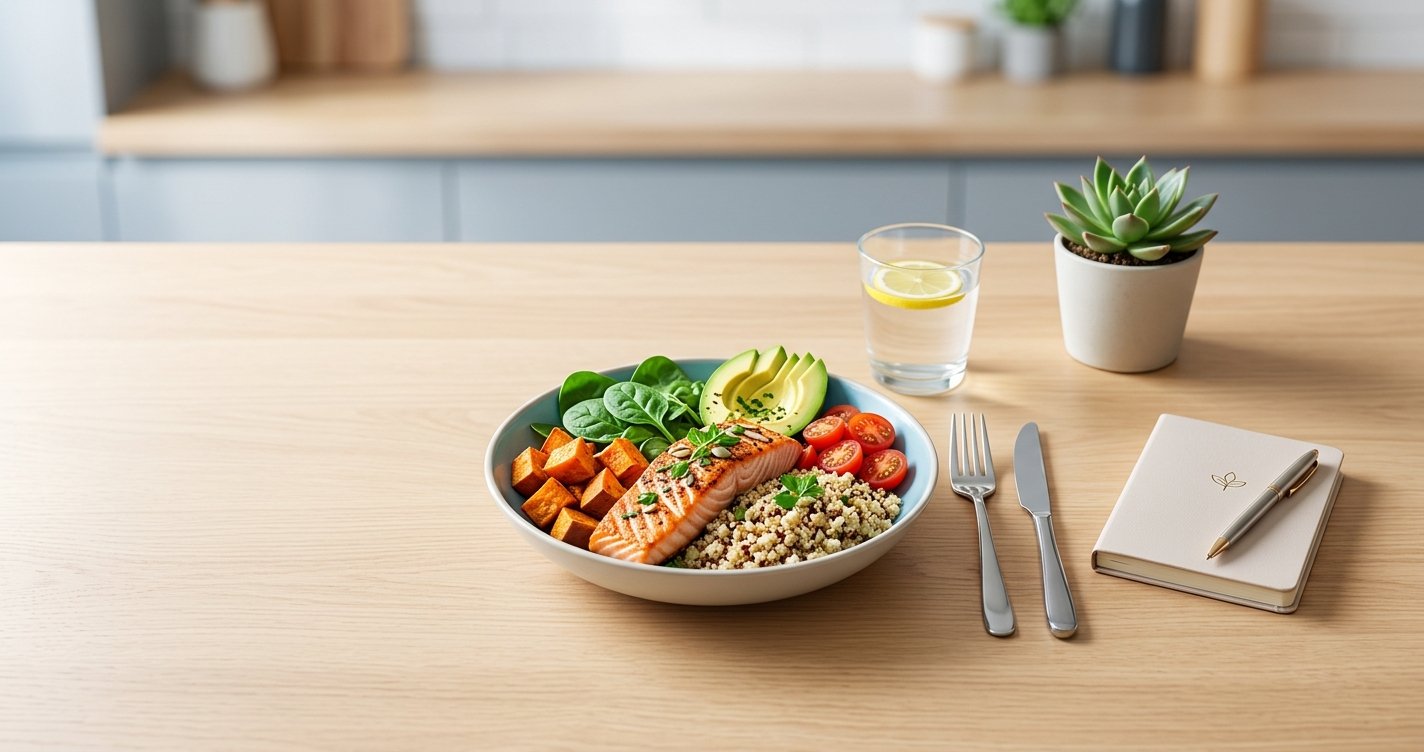
Are you tired of the endless cycle of restrictive diets, quick fixes, and the inevitable rebound? Many of us have been there, chasing the latest trend only to find ourselves back at square one, feeling frustrated and discouraged. The truth is, sustainable fat loss isn't about deprivation or magic pills; it's about cultivating a healthy, balanced relationship with food and your body. It's about empowering yourself with knowledge and making choices that nourish you from the inside out.
This guide isn't about a temporary diet plan. Instead, we're going to dive deep into a powerful, evidence-based approach that focuses on three pillars: embracing whole foods, making smart nutritional choices, and practicing mindful eating. When combined with supportive lifestyle habits, these strategies create a robust foundation for not just losing fat, but keeping it off for good. Let's embark on a journey towards a healthier, happier you, one sustainable step at a time! this excellent wellness product
Beyond the Hype: What Sustainable Fat Loss Really Means
Before we dive into the 'how,' let's clarify the 'what.' Sustainable fat loss is about achieving a healthy body composition in a way that is maintainable, enjoyable, and doesn't negatively impact your physical or mental well-being. It's a marathon, not a sprint, and it prioritizes long-term health over fleeting results.
The Problem with Crash Diets
Crash diets often promise rapid fat loss by severely restricting calories or eliminating entire food groups. While you might see initial drops on the scale, much of this is often water weight or even muscle loss. These diets are typically unsustainable, leading to nutrient deficiencies, metabolic slowdown, and an increased likelihood of regaining the lost weight (and often more) once normal eating resumes. This 'yo-yo' effect can be detrimental to both your physical health and your psychological relationship with food.
The Foundation: A Gentle Calorie Deficit
At its core, fat loss still comes down to creating a calorie deficit – consuming fewer calories than your body expends. However, a sustainable deficit is gentle and manageable, typically 300-500 calories below your maintenance level. This allows for steady, consistent fat loss (around 1-2 pounds per week) without triggering extreme hunger, energy crashes, or the metabolic adaptations that make very low-calorie diets so difficult to maintain. The strategies we'll discuss below help you achieve this deficit naturally and comfortably.
The Cornerstone: Embracing Whole Foods
If there's one golden rule for sustainable fat loss, it's to build your diet around whole, unprocessed foods. Think of them as nature's perfect packages, bursting with nutrients and designed to fuel your body optimally.
What are Whole Foods?
Whole foods are ingredients that are in their natural state or have undergone minimal processing. They come without added sugars, unhealthy fats, artificial ingredients, or excessive sodium. Examples include:
- Fruits: Berries, apples, oranges, bananas
- Vegetables: Leafy greens, broccoli, carrots, bell peppers, sweet potatoes
- Lean Proteins: Chicken breast, fish, eggs, tofu, lentils, beans
- Whole Grains: Oats, brown rice, quinoa, whole wheat bread/pasta
- Healthy Fats: Avocados, nuts, seeds, olive oil
Why Whole Foods Win for Fat Loss
Whole foods are your best friends in the journey to sustainable fat loss for several compelling reasons:
- Nutrient Density: They pack a powerful punch of vitamins, minerals, and antioxidants, supporting overall health and bodily functions.
- High in Fiber: Fiber-rich foods promote satiety, keeping you feeling fuller for longer and reducing the urge to snack unnecessarily. They also aid digestion and stabilize blood sugar.
- Lower Calorie Density: Most whole foods, especially fruits and vegetables, provide a large volume of food for relatively few calories, allowing you to eat satisfying portions without overdoing it.
- Higher Thermic Effect: Your body expends more energy (calories) to digest and metabolize whole, unprocessed foods compared to highly refined ones.
Smart Choices: Practical Strategies for Your Plate
Now that we understand the 'why' of whole foods, let's look at the 'how' – specific strategies to optimize your meals for fat loss and satiety.
Prioritize Protein
Protein is king when it comes to fat loss. It's the most satiating macronutrient, meaning it keeps you feeling full longer. It also helps preserve lean muscle mass during a calorie deficit, which is crucial because muscle burns more calories at rest than fat. Aim for a lean protein source at every meal: chicken, turkey, fish, eggs, Greek yogurt, cottage cheese, tofu, or legumes.
Harness the Power of Fiber
As mentioned, fiber is your secret weapon for satiety. Load up on non-starchy vegetables (broccoli, spinach, kale, bell peppers), fruits with skin (apples, pears), legumes, and whole grains. These foods add volume to your meals, making them more satisfying without adding excessive calories.
Don't Fear Healthy Fats
While fats are calorie-dense, healthy fats are essential for hormone production, nutrient absorption, and satiety. Incorporate sources like avocados, nuts, seeds, and olive oil in moderation. They add flavor and help you feel satisfied, preventing cravings for less healthy options.
Smart Carbohydrate Choices
Carbohydrates provide energy, but the type matters. Opt for complex carbohydrates like whole grains, fruits, and vegetables over refined carbs (white bread, sugary drinks, pastries). Complex carbs provide sustained energy, fiber, and nutrients, while refined carbs lead to blood sugar spikes and crashes, often promoting fat storage and hunger.
The Art of Mindful Eating: Rewiring Your Relationship with Food
Eating isn't just about what you consume, but how you consume it. Mindful eating is a powerful tool for sustainable fat loss, helping you become more attuned to your body's signals and develop a healthier relationship with food.
Slow Down and Savor
In our fast-paced world, many of us eat quickly and distracted. Try putting down your fork between bites, chewing thoroughly, and truly tasting your food. It takes about 20 minutes for your stomach to signal your brain that it's full. Eating slowly gives your body time to register satiety, preventing overeating.
Listen to Your Body's Cues (Hunger & Fullness)
Before you eat, ask yourself: Am I truly hungry, or am I eating out of boredom, stress, or habit? During your meal, pay attention to signs of fullness. Stop when you're comfortably satisfied, not uncomfortably stuffed. Learning to distinguish between physical hunger and emotional hunger is a game-changer for sustainable fat loss.
Identify Emotional Triggers
Many of us turn to food for comfort when stressed, sad, or anxious. Acknowledge these patterns without judgment. Once you identify your emotional eating triggers, you can develop healthier coping mechanisms that don't involve food, like going for a walk, calling a friend, or practicing deep breathing.
Beyond the Plate: Lifestyle Factors for Lasting Success
Nutrition is paramount, but it's part of a larger ecosystem. Lifestyle factors play a critical role in your body's ability to lose fat and maintain health.
The Crucial Role of Sleep
Lack of sleep disrupts hormones that regulate appetite (ghrelin and leptin), leading to increased hunger and cravings, especially for high-calorie foods. Aim for 7-9 hours of quality sleep per night to support your fat loss efforts and overall well-being. Prioritize a consistent sleep schedule and create a relaxing bedtime routine.
Managing Stress for Better Results
Chronic stress elevates cortisol levels, a hormone that can promote fat storage, particularly around the abdominal area. Find healthy ways to manage stress, whether it's meditation, yoga, spending time in nature, or engaging in hobbies you love. Reducing stress not only aids fat loss but significantly improves your quality of life.
Movement You Enjoy (Not Just Exercise)
While structured exercise is beneficial, simply increasing your overall daily movement can make a big difference. Walk more, take the stairs, stand up regularly. Find physical activities you genuinely enjoy – dancing, hiking, cycling, swimming – so it feels less like a chore and more like a joyful part of your life. This helps burn calories, build muscle, and boost your mood.
Building Your Sustainable Fat Loss Journey: A Step-by-Step Approach
Overhauling your entire lifestyle overnight can feel overwhelming. The key to sustainable change is to start small and build momentum.
- Start Small: Pick one or two habits to focus on first. Maybe it's adding a serving of vegetables to every meal, or drinking more water. Once those feel natural, add another.
- Focus on Progress, Not Perfection: There will be days when you stray from your plan. That's okay! Don't let one 'off' meal or day derail your entire journey. Acknowledge it, learn from it, and get back on track with your next meal.
- Hydrate Adequately: Often overlooked, drinking enough water is vital. It aids metabolism, helps with satiety, and keeps your body functioning optimally. Aim for 8-10 glasses a day.
- Seek Support: Share your goals with a trusted friend, family member, or join a supportive community. Having accountability and encouragement can make a huge difference.
- Be Patient and Kind to Yourself: Sustainable fat loss takes time. Celebrate small victories, acknowledge your efforts, and treat your body with kindness and respect. This journey is about nurturing yourself, not punishing yourself.
Embrace Your Journey to Lasting Health
Sustainable fat loss isn't a destination; it's a continuous journey of learning, adapting, and growing. By focusing on whole foods, making smart nutritional choices, practicing mindful eating, and supporting these efforts with healthy lifestyle habits, you're not just losing weight – you're building a foundation for lifelong health and vitality.
Remember, you have the power to transform your relationship with food and your body. Be patient, be persistent, and most importantly, be kind to yourself. You've got this, and the lasting rewards are absolutely worth it!