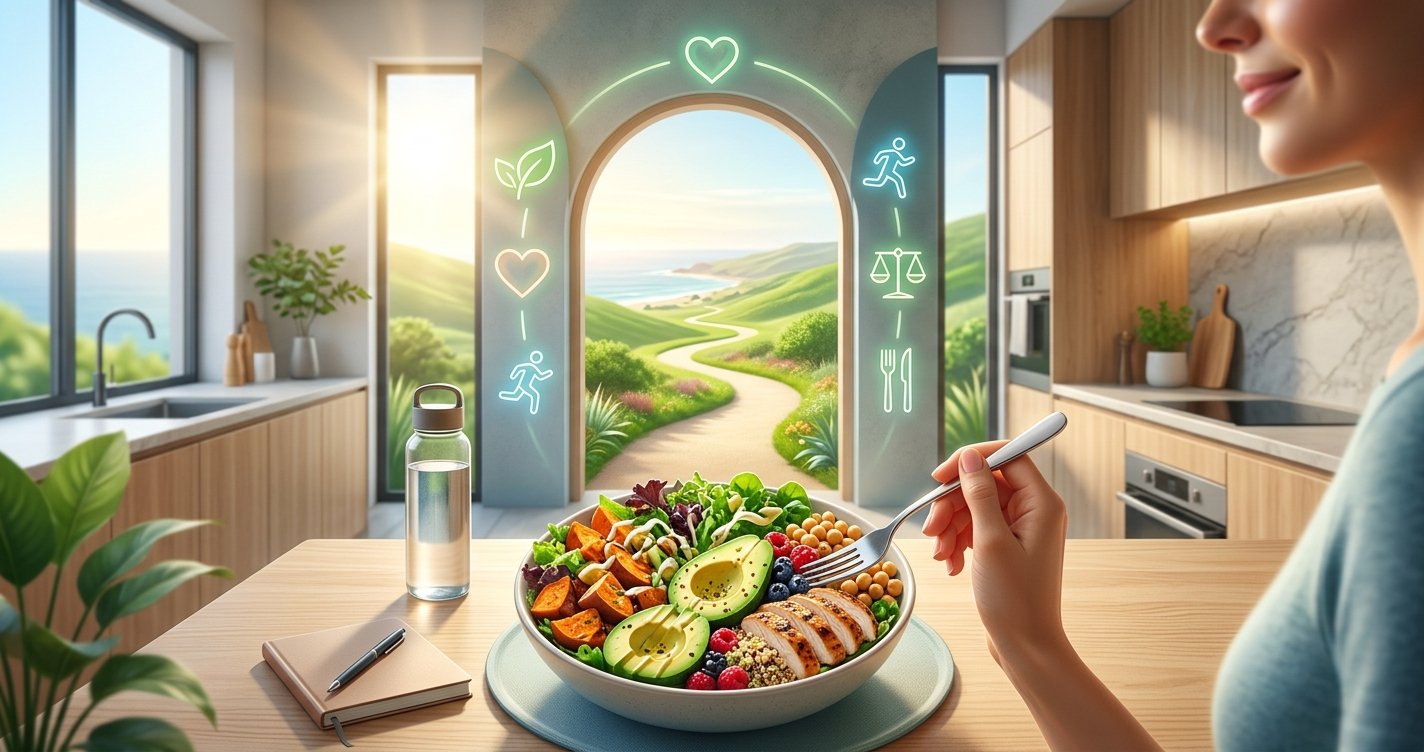
Let's be honest: the idea of meticulously tracking every single calorie you eat can feel incredibly daunting, restrictive, and frankly, exhausting. For many, it's a barrier to even starting a fat loss journey, or a reason to abandon it prematurely. While a calorie deficit is undeniably the fundamental principle behind fat loss – you must consume fewer calories than your body burns – the good news is that achieving this deficit doesn't have to involve endless logging and obsessive calculations.
Imagine a world where you could shed unwanted fat, feel more energized, and build healthier habits without a food scale or a calorie-counting app. It's not a fantasy! This guide is designed to empower you with practical, sustainable, and evidence-based strategies to create a calorie deficit intuitively, allowing you to focus on nourishing your body, enjoying your food, and living your life. this excellent wellness product
The Core Principle: Why a Calorie Deficit Matters (Briefly)
Before we dive into the 'how,' let's quickly touch on the 'why.' Your body needs energy (calories) to function. When you consume more calories than you burn, your body stores that excess energy, typically as fat. Conversely, when you consistently consume fewer calories than you burn, your body taps into those stored fat reserves for energy, leading to fat loss. This is known as a calorie deficit. It’s a non-negotiable biological truth.
However, understanding this principle doesn't mean you need to be a human calculator. Our goal here is to influence your daily calorie intake and expenditure through mindful choices and habit changes, making the calorie deficit a natural outcome rather than a forced effort.
Ditching the Calculator: Practical Strategies for an Effortless Deficit
Prioritize Protein and Fiber: Your Satiety Superheroes
If there are two nutrients that truly earn their keep in a fat loss journey, it's protein and fiber. Both are incredibly satiating, meaning they help you feel full and satisfied for longer, naturally reducing your urge to overeat.
- Protein Power: Protein requires more energy to digest (a phenomenon called the thermic effect of food) and is crucial for maintaining muscle mass during fat loss. Aim for a protein source at every meal. Think lean meats, poultry, fish, eggs, Greek yogurt, legumes, tofu, and protein supplements if needed.
- Fiber Friends: Found in fruits, vegetables, whole grains, and legumes, fiber adds bulk to your meals without adding many calories. It slows digestion, stabilizes blood sugar, and keeps your digestive system happy. Load up on non-starchy vegetables at every meal!
Hydration Habits: The Unsung Hero of Hunger Management
Often, what we perceive as hunger is actually thirst. Staying adequately hydrated can significantly curb unnecessary snacking and overeating. Plus, water is calorie-free!
- Drink Before You Eat: Try drinking a large glass of water 15-30 minutes before your main meals. This can help you feel fuller and potentially eat less.
- Choose Water Over Sugary Drinks: Sugary sodas, fruit juices (even 100% juice can be high in sugar), and sweetened coffees are liquid calories that don't provide much satiety. Swapping these for water, unsweetened tea, or black coffee is an easy win for reducing calorie intake.
Mindful Eating: Reconnecting with Your Body's Signals
In our fast-paced world, eating often becomes a secondary activity done while scrolling or working. Mindful eating means paying attention to your food, your body's hunger and fullness cues, and the experience of eating.
- Slow Down: It takes about 20 minutes for your stomach to signal to your brain that you're full. Eating slowly gives your body time to register satiety. Put your fork down between bites.
- Minimize Distractions: Eat at a table, away from screens. Focus on the taste, texture, and smell of your food.
- Listen to Your Body: Eat when you're truly hungry (not just bored or stressed) and stop when you're comfortably full, not stuffed.
Portion Awareness: Visual Cues, Not Numbers
You don't need to weigh every gram. Learn to estimate portions using simple visual cues:
- Protein: A palm-sized serving for women, two palm-sized servings for men.
- Vegetables: As much as you can fit in your fist (aim for two fists or more!).
- Carbohydrates (starchy): A cupped hand for women, two cupped hands for men.
- Fats: A thumb-sized serving.
Using smaller plates can also trick your brain into thinking you have a larger, more satisfying meal.
Smart Snacking & Beverage Choices: Hidden Calorie Traps
Snacks and drinks can be major calorie culprits if not chosen wisely. Think about the nutritional density of what you're consuming.
- Choose Whole Foods: Opt for whole, unprocessed snacks like a piece of fruit, a handful of nuts, Greek yogurt, or vegetable sticks with hummus. These offer more nutrients and satiety than highly processed options.
- Beware of Liquid Calories: As mentioned, sugary drinks are a common pitfall. Alcohol, while enjoyable in moderation, also adds significant calories without much nutritional value. Be mindful of these choices.
Strategic Meal Timing: Is There a "Best" Time?
While the exact timing of meals (e.g., intermittent fasting) can be a strategy for some, the most crucial aspect is consistency and avoiding mindless eating, especially late at night.
- Consistent Meal Structure: Aim for regular meal times to help regulate hunger and prevent extreme hunger that can lead to overeating.
- Avoid Late-Night Grazing: If you find yourself mindlessly snacking in the evenings, try to set a "kitchen closed" time. This can significantly reduce excess calorie intake without feeling like deprivation.
Beyond the Plate: Lifestyle Factors Supporting Your Journey
Sleep Smarter, Lose Easier
Lack of sleep can wreak havoc on your hunger hormones. When you're sleep-deprived, your body produces more ghrelin (the hunger hormone) and less leptin (the satiety hormone), leading to increased cravings, especially for high-calorie foods. Aim for 7-9 hours of quality sleep per night to support your fat loss goals.
Move More, Stress Less
You don't need to become an Olympic athlete, but increasing your overall activity levels can significantly contribute to your calorie expenditure. Think walking more, taking the stairs, standing up frequently, and incorporating regular exercise you enjoy.
Additionally, chronic stress can lead to increased cortisol levels, which can promote fat storage, especially around the midsection. Find healthy ways to manage stress, whether it's meditation, hobbies, spending time in nature, or connecting with loved ones. Emotional eating is a common response to stress, so addressing the root cause can be incredibly beneficial.
Patience and Persistence: What to Expect
Achieving a sustainable calorie deficit without strict counting is a journey of learning and adaptation. You won't get it perfectly right every day, and that's okay. Focus on making small, consistent changes that you can stick with long-term. Sustainable fat loss is gradual; aim for 1-2 pounds per week for healthy, lasting results.
There will be days when you feel hungrier, or days when you indulge a little more. Don't let these moments derail your progress. Simply acknowledge them and get back on track with your intuitive strategies. This approach fosters a healthier relationship with food and your body, moving away from cycles of restriction and bingeing.
Conclusion: Your Path to Lasting Fat Loss
You have the power to create a calorie deficit and achieve sustainable fat loss without the burden of constant calorie counting. By focusing on nutrient-dense foods, mindful eating practices, smart hydration, and supportive lifestyle habits, you can intuitively guide your body towards its fat loss goals.
Remember, this isn't about perfection; it's about progress and building habits that serve your long-term health and well-being. Start with one or two strategies from this guide, implement them consistently, and gradually add more. Your body will thank you for it, and you'll discover a more enjoyable, liberating path to reaching your fat loss aspirations. You've got this!