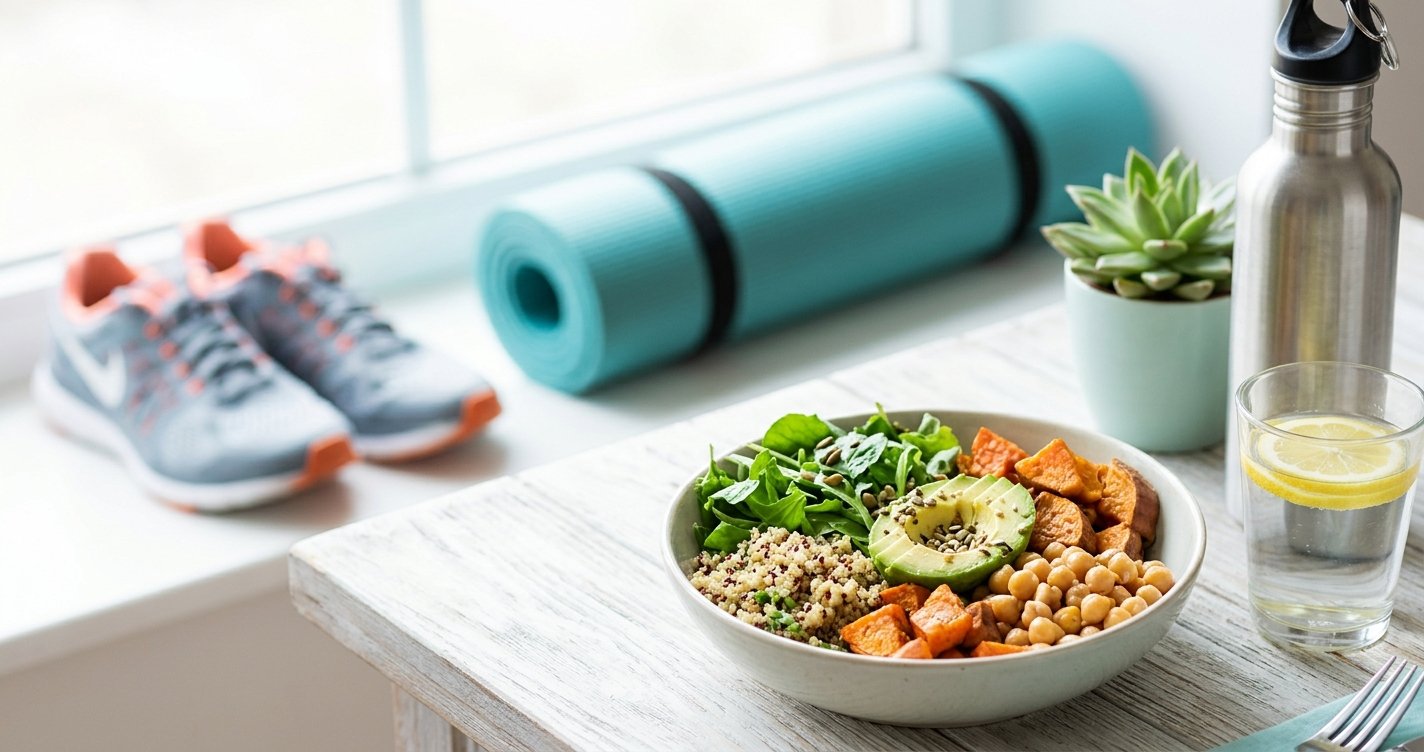
Are you tired of the endless cycle of restrictive diets, intense workouts that burn you out, and the frustrating rebound weight gain? You're not alone. In a world obsessed with quick fixes and dramatic transformations, it's easy to fall into the trap of extreme fat loss methods that promise the world but deliver only disappointment and frustration. But what if there was a better way? A path to lasting fat loss that doesn't involve deprivation, guilt, or punishing yourself?
Welcome to the world of sustainable fat loss – an evidence-based, compassionate approach that focuses on building healthy habits you can maintain for life. This isn't about a temporary diet; it's about a lifestyle shift that respects your body, fuels your mind, and helps you achieve your fat loss goals without sacrificing your well-being. Let's ditch the diet mentality and discover how to create real, lasting change. this excellent wellness product
Why Crash Diets Fail: The Vicious Cycle
Before we dive into what works, let's understand why the traditional, extreme dieting approach often leads to failure and frustration. It’s not your lack of willpower; it’s the flawed strategy itself.
The Metabolic Slowdown
When you drastically cut calories, your body, designed for survival, perceives it as a famine. In response, your metabolism slows down to conserve energy. This makes it harder to lose weight, and when you inevitably return to normal eating, your body is primed to store fat more efficiently, often leading to weight regain (and sometimes even more than you started with).
The Psychological Toll
Extreme diets breed deprivation, which often leads to cravings, binge eating, and a negative relationship with food. The constant hunger, mood swings, and social isolation can be mentally exhausting, leading to burnout and giving up. This cycle erodes self-esteem and makes future attempts even harder.
The Nutrient Deficiencies
Highly restrictive diets often cut out entire food groups, leading to deficiencies in essential vitamins, minerals, and macronutrients. This can impact your energy levels, immune function, skin health, and overall vitality, making you feel worse, not better.
The Pillars of Sustainable Fat Loss: A Holistic Approach
Sustainable fat loss isn't just about what you eat or how much you exercise. It's a holistic endeavor that integrates several key components of your lifestyle. Here are the pillars that support lasting change:
Pillar 1: Smart Nutrition – Fueling Your Body, Not Depriving It
This is not about cutting out all your favorite foods. It's about making smarter choices, understanding portion sizes, and nourishing your body with nutrient-dense foods. Think abundance, not restriction.
- Prioritize Protein: Protein is crucial for satiety, muscle preservation, and has a higher thermic effect (meaning your body burns more calories digesting it). Aim for a good source of lean protein at every meal (chicken, fish, eggs, tofu, lentils).
- Embrace Fiber-Rich Foods: Fruits, vegetables, and whole grains are packed with fiber, which helps you feel full, aids digestion, and stabilizes blood sugar.
- Include Healthy Fats: Don't fear fats! Healthy fats (avocado, nuts, seeds, olive oil) are essential for hormone production, nutrient absorption, and satiety. Just be mindful of portion sizes as they are calorie-dense.
- Mindful Eating: Pay attention to your body's hunger and fullness cues. Eat slowly, savor your food, and avoid distractions. This helps you recognize when you're satisfied and prevents overeating.
- Hydration is Key: Often mistaken for hunger, thirst can lead to unnecessary snacking. Drink plenty of water throughout the day. Sometimes a glass of water can curb a craving.
Pillar 2: Strategic Movement – Exercise You Enjoy
Exercise shouldn't feel like a punishment. Find activities you genuinely enjoy, making it easier to stay consistent. The goal is to move your body regularly, not to become an Olympic athlete overnight.
- Combine Strength and Cardio: Strength training builds muscle, which boosts your metabolism and helps sculpt your body. Cardio improves cardiovascular health and burns calories. Aim for 2-3 strength sessions and 3-4 cardio sessions per week.
- Move More Throughout the Day: Beyond structured workouts, look for opportunities to increase your non-exercise activity thermogenesis (NEAT). Take the stairs, walk during phone calls, park further away. Every bit adds up!
- Listen to Your Body: Rest days are crucial for recovery and preventing burnout or injury. Don't push through pain.
Pillar 3: Prioritizing Sleep – The Unsung Hero of Fat Loss
Often overlooked, quality sleep plays a profound role in fat loss. Lack of sleep can sabotage your efforts by disrupting key hunger and stress hormones.
- Hormonal Balance: Insufficient sleep increases ghrelin (the hunger hormone) and decreases leptin (the satiety hormone), making you feel hungrier and less satisfied. It also elevates cortisol, the stress hormone, which can promote fat storage, especially around the belly.
- Improved Energy and Mood: When well-rested, you have more energy for workouts and make better food choices. You're less likely to seek comfort in sugary or fatty foods.
- Aim for 7-9 Hours: Establish a consistent sleep schedule, create a relaxing bedtime routine, and optimize your sleep environment (dark, quiet, cool).
Pillar 4: Stress Management – Taming the Cortisol Beast
Chronic stress isn't just bad for your mental health; it's a significant barrier to fat loss.
- Cortisol and Fat Storage: As mentioned, chronic stress elevates cortisol, which signals your body to hold onto fat, particularly visceral fat (belly fat).
- Emotional Eating: Stress often leads to emotional eating, where food becomes a coping mechanism rather than fuel.
- Find Your Zen: Incorporate stress-reducing activities into your daily routine. This could be meditation, yoga, deep breathing exercises, spending time in nature, reading, or pursuing a hobby you love.
Pillar 5: Mindset & Consistency – The Long Game
Sustainable fat loss is a marathon, not a sprint. Your mindset is your most powerful tool.
- Patience and Persistence: Results won't happen overnight. Celebrate small victories, learn from setbacks, and stay consistent with your efforts.
- Self-Compassion: Be kind to yourself. If you have an off day or a less-than-perfect meal, don't let it derail your entire journey. Get back on track with your next meal or workout.
- Focus on Health, Not Just the Scale: Shift your focus from a number on the scale to overall health improvements – more energy, better sleep, stronger body, improved mood. The fat loss will naturally follow.
- Set Realistic Goals: Aim for a gradual, steady fat loss of 1-2 pounds per week. This rate is more sustainable and less likely to trigger metabolic adaptations.
Practical Strategies to Get Started Today
Ready to embark on your sustainable fat loss journey? Here are some actionable steps you can take right now:
Small Changes, Big Impact
- Start with One Change: Don't try to overhaul everything at once. Pick one pillar to focus on first – maybe adding more protein to your breakfast, or aiming for 30 minutes of walking daily.
- Meal Prep for Success: Dedicate an hour or two each week to planning and preparing healthy meals and snacks. This reduces reliance on unhealthy convenience foods.
- Keep a Food & Mood Journal: For a few days, track what you eat, how much, and how you feel. This can reveal patterns, triggers, and areas for improvement without strict calorie counting.
- Find an Accountability Partner: Share your goals with a friend, family member, or join a supportive community. Having someone to check in with can boost motivation.
- Stay Flexible: Life happens! Don't let perfection be the enemy of good. If you miss a workout or have a treat, simply adjust and move forward.
Busting Common Fat Loss Myths
Let's quickly debunk a few popular myths that can hinder your sustainable progress:
Myth 1: You Need to Cut Out All Carbs/Fats.
Truth: Extreme restriction is unsustainable and unnecessary. Both carbs and fats are essential macronutrients. Focus on complex carbohydrates (whole grains, vegetables) and healthy fats, rather than eliminating entire food groups.
Myth 2: Intense Exercise Every Day is Best.
Truth: Overtraining can lead to injury, burnout, and elevated cortisol. Balance intense workouts with moderate activity and crucial rest days. Consistency over intensity is key.
Myth 3: Spot Reduction Works.
Truth: You cannot target fat loss from specific areas of your body (e.g., doing crunches to lose belly fat). Fat loss occurs systemically. A combination of a calorie deficit and full-body exercise will reduce overall body fat, including from problem areas.
Embracing sustainable fat loss is about making peace with your body, nourishing it, and moving it in ways that feel good. It's about building a healthy relationship with food and exercise that lasts a lifetime. This journey might be slower than the crash diets promise, but the results are far more rewarding – not just a slimmer physique, but improved health, increased energy, and a profound sense of well-being. Start today, be patient with yourself, and remember: every small, consistent step forward is a victory. You've got this!