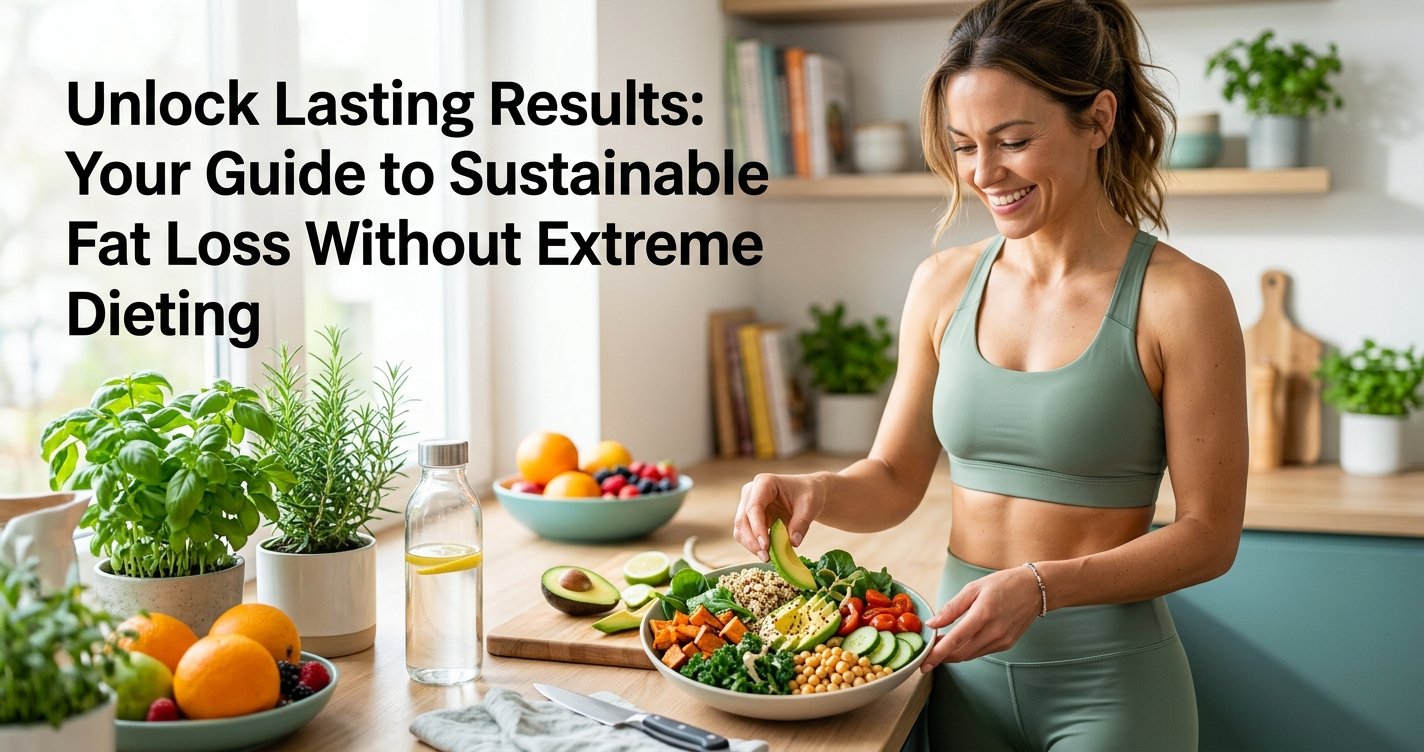
Tired of the Yo-Yo Dieting Cycle? Discover Sustainable Fat Loss!
If you've ever embarked on a quest for fat loss, chances are you've encountered the allure of extreme diets. Whether it's cutting out entire food groups, surviving on minimal calories, or following rigid meal plans, the promise of rapid results can be incredibly tempting. But for many, this path leads to frustration, burnout, and the infamous 'yo-yo effect' – losing weight only to regain it, often with extra pounds. What if there was a better way? A path to lasting fat loss that doesn't involve deprivation, endless hunger, or feeling miserable?
Welcome to the world of sustainable fat loss. This isn't about quick fixes; it's about building healthy habits that you can maintain for life, transforming your body and your relationship with food in a way that truly lasts. We'll dive into evidence-based strategies that prioritize your well-being, energy, and long-term success over fleeting results. this excellent wellness product
Why Extreme Diets Fail (And What to Do Instead)
The appeal of extreme diets is undeniable: the thought of shedding pounds quickly sounds fantastic. However, the human body is incredibly resilient and designed for survival. When you drastically cut calories or eliminate essential nutrients, your body perceives it as a threat. This can lead to:
- Metabolic Slowdown: Your metabolism adapts by burning fewer calories to conserve energy, making further fat loss harder.
- Muscle Loss: Rapid weight loss often includes a significant amount of muscle, which is metabolically active and crucial for a healthy physique.
- Nutrient Deficiencies: Restrictive eating can lead to a lack of vital vitamins and minerals, impacting energy, mood, and overall health.
- Intense Cravings and Binges: Deprivation often leads to powerful cravings, making adherence difficult and often resulting in overeating.
- Mental Fatigue and Poor Relationship with Food: Constantly thinking about food restrictions can be mentally exhausting and foster an unhealthy obsession with eating.
Instead of battling your body, we're going to work with it. The key to sustainable fat loss lies in creating a gentle, consistent calorie deficit while nourishing your body, preserving muscle, and managing hunger effectively.
The Foundation: Understanding Your Calorie Deficit (Without Obsession)
What is a Calorie Deficit?
At its core, fat loss boils down to one fundamental principle: consuming fewer calories than your body expends. This is known as a calorie deficit. When you provide your body with less energy than it needs to perform its daily functions (breathing, thinking, moving, digesting), it taps into stored energy – primarily body fat – to make up the difference. It's simple math, but the execution needs to be smart.
Finding Your Sweet Spot
The goal isn't to create the largest deficit possible; that's the trap of extreme dieting. Instead, we aim for a moderate deficit that is sustainable and allows for consistent progress without undue hunger or energy crashes. A deficit of 250-500 calories below your maintenance level is often recommended. This typically translates to losing about 0.5 to 1 pound of fat per week, which is a healthy and sustainable rate.
You can estimate your daily calorie needs using online calculators (search for 'TDEE calculator'), but remember these are just estimates. The most accurate way is to track your intake and weight over a few weeks and adjust based on your body's response. Listen to your hunger cues, energy levels, and how your clothes fit. This personalized approach is far more effective than blindly following a generic number.
Fueling Your Body Right: The Power of Protein and Fiber
While a calorie deficit is paramount, the *composition* of those calories makes a huge difference in how you feel and how effectively you lose fat. Enter protein and fiber, your dynamic duo for sustainable fat loss.
The Protein Advantage
Protein is a superstar nutrient for fat loss for several compelling reasons:
- Satiety: Protein is incredibly filling. Including adequate protein in each meal helps you feel fuller for longer, reducing overall calorie intake naturally.
- Muscle Preservation: During a calorie deficit, your body can break down muscle for energy. Sufficient protein intake signals your body to hold onto precious muscle mass, ensuring that the weight you lose is primarily fat.
- Thermic Effect of Food (TEF): Protein has a higher TEF than carbs or fats, meaning your body burns more calories simply digesting and metabolizing it.
Aim for 0.7-1 gram of protein per pound of your target body weight daily. Excellent lean protein sources include chicken breast, turkey, lean beef, fish, eggs, Greek yogurt, cottage cheese, tofu, and legumes.
Fiber: Your Secret Weapon
Fiber, particularly soluble fiber, is another game-changer. It absorbs water and forms a gel-like substance in your digestive tract, slowing down digestion and promoting feelings of fullness. This helps prevent overeating and stabilizes blood sugar levels, reducing cravings and energy crashes.
Beyond satiety, fiber also supports a healthy gut microbiome, which is increasingly linked to metabolic health and weight management. Load up on fiber from sources like:
- Vegetables (broccoli, spinach, Brussels sprouts)
- Fruits (berries, apples, pears)
- Whole grains (oats, quinoa, brown rice)
- Legumes (lentils, beans, chickpeas)
- Nuts and seeds (chia seeds, flax seeds)
Move More, Live Better: Smart Exercise for Fat Loss
Exercise isn't just about burning calories; it's about building a stronger, healthier, and more metabolically active body. While diet is often 80% of the fat loss equation, smart exercise is the crucial 20% that optimizes results and enhances overall well-being.
Embrace Strength Training
If there's one type of exercise to prioritize for fat loss, it's strength training. Why?
- Builds/Preserves Muscle: As discussed, muscle is metabolically active. The more muscle you have, the more calories your body burns at rest. Strength training helps you maintain or even build muscle during a deficit, ensuring a more favorable body composition.
- Boosts Metabolism: The process of repairing and building muscle after a strength workout elevates your metabolism for hours (the 'afterburn effect').
- Shapes Your Body: Beyond the scale, strength training sculpts your physique, giving you a leaner, more toned appearance.
You don't need to become a competitive bodybuilder. 2-4 full-body strength training sessions per week, focusing on compound movements (squats, deadlifts, presses, rows), can yield incredible results.
The Magic of NEAT and Cardio
While strength training is king, other forms of movement play vital roles:
- NEAT (Non-Exercise Activity Thermogenesis): This refers to all the calories you burn from activities that aren't formal exercise – walking, standing, fidgeting, taking the stairs. Increasing your NEAT by simply moving more throughout the day can significantly contribute to your calorie deficit without feeling like a workout.
- Cardio: Activities like brisk walking, jogging, cycling, or swimming are excellent for cardiovascular health and can contribute to your calorie burn. While not as effective as strength training for muscle preservation, moderate cardio can be a great tool for increasing your overall activity levels and supporting heart health.
Beyond Diet and Exercise: Lifestyle Pillars for Lasting Results
Sustainable fat loss isn't just about what you eat and how you move; it's deeply intertwined with your overall lifestyle. Neglecting these crucial pillars can sabotage even the most diligent efforts.
Prioritize Sleep
Sleep is a non-negotiable for fat loss. Chronic sleep deprivation wreaks havoc on your hormones, specifically those that regulate hunger and satiety:
- Ghrelin (Hunger Hormone) increases: You feel hungrier.
- Leptin (Satiety Hormone) decreases: You don't feel full, even after eating.
- Cortisol (Stress Hormone) increases: Elevated cortisol can promote fat storage, especially around the abdomen, and increase cravings for unhealthy foods.
Aim for 7-9 hours of quality sleep per night. Establish a consistent sleep schedule, create a relaxing bedtime routine, and optimize your sleep environment.
Master Stress Management
In our fast-paced world, stress is often unavoidable, but how you manage it is critical for fat loss. Chronic stress, like poor sleep, leads to elevated cortisol levels. This can not only encourage fat storage but also trigger emotional eating as a coping mechanism.
Integrate stress-reducing practices into your daily life:
- Mindfulness and meditation
- Deep breathing exercises
- Spending time in nature
- Journaling
- Engaging in hobbies you enjoy
- Connecting with loved ones
Hydration is Key
Don't underestimate the power of water! Staying well-hydrated is essential for optimal metabolic function, satiety, and energy levels. Sometimes, what feels like hunger is actually thirst. Drinking water before meals can also help you feel fuller and reduce overall calorie intake.
Aim for 8 glasses (around 2 liters) of water daily, and more if you're active or in a hot climate.
Cultivating a Positive Mindset & Patience
Finally, and perhaps most importantly, sustainable fat loss requires a shift in mindset and an abundance of patience. This is a journey, not a race. There will be good days and challenging days, but consistency and self-compassion are your most powerful allies.
Focus on small, consistent wins. Celebrate non-scale victories like increased energy, stronger lifts, better sleep, or improved mood. Understand that progress isn't linear; plateaus are normal, and setbacks are opportunities to learn, not reasons to give up. Embrace the process of becoming healthier and stronger, rather than fixating solely on a number on the scale.
There's no 'perfect' diet or exercise plan that works for everyone. The most effective approach is the one you can stick to consistently. Experiment, find what feels good for your body, and build habits that support your long-term health and happiness.
Your Journey to Lasting Fat Loss Starts Now
Ditch the extreme diets and restrictive mindsets. Embrace a sustainable approach to fat loss that honors your body, fuels your energy, and fits seamlessly into your life. By focusing on a moderate calorie deficit, prioritizing protein and fiber, incorporating smart exercise (especially strength training), and optimizing your sleep and stress, you're not just losing fat – you're building a healthier, happier, and more resilient you. Start small, be consistent, and enjoy the incredible journey to lasting well-being!