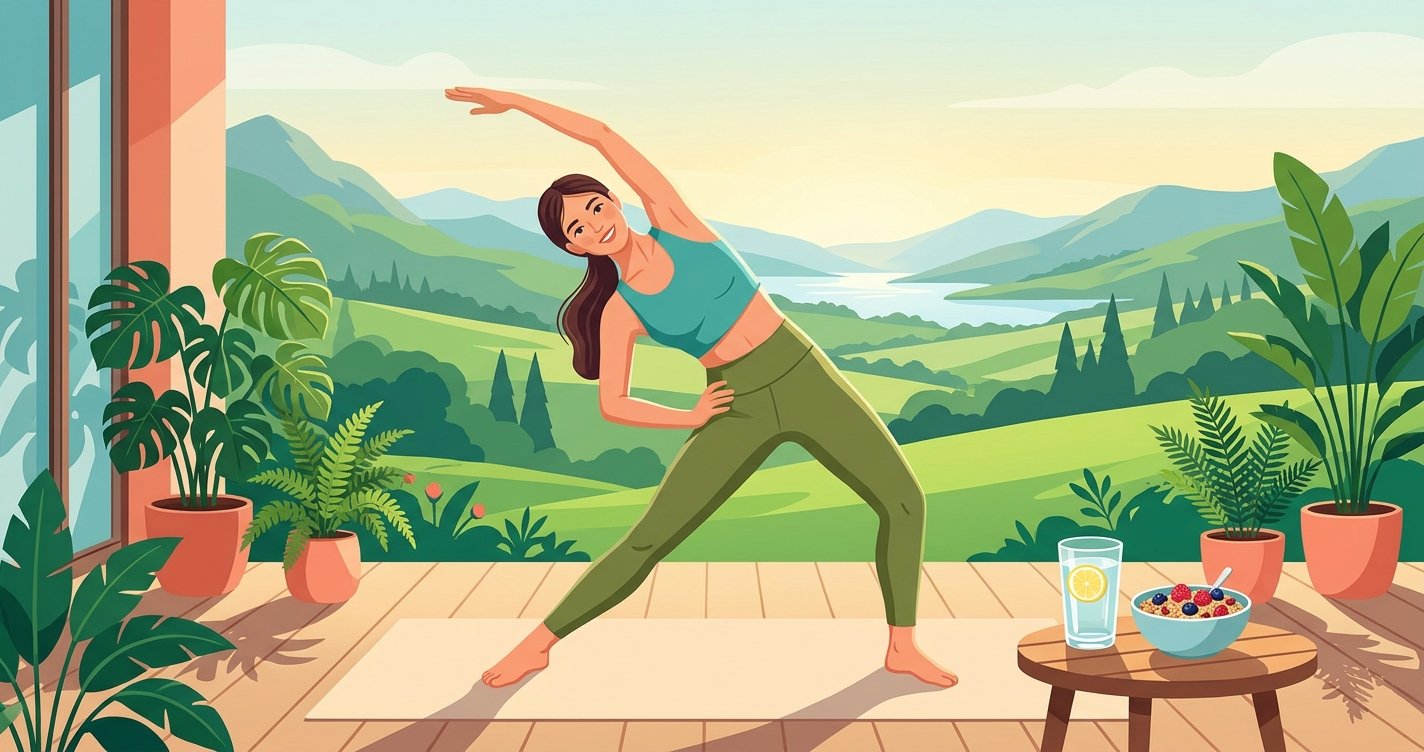
Are you tired of the endless cycle of crash diets, restrictive eating, and the frustrating rebound weight gain that often follows? You're not alone. Many of us have fallen prey to the allure of quick fixes, only to find ourselves feeling defeated and further away from our health goals. But what if there was a better way? A path to fat loss that isn't about deprivation, but about sustainable, lifelong habits? Good news: there is! Welcome to your friendly, evidence-based guide to achieving lasting fat loss without resorting to extreme dieting. It’s time to ditch the "all or nothing" mentality and embrace a journey that nourishes your body, strengthens your mind, and truly transforms your health.
Why Crash Diets Fail (And Why Sustainability Wins)
Before we dive into what works, let's understand why the quick-fix approach almost always backfires. Crash diets, characterized by severely restricted calories or eliminating entire food groups, might show initial rapid weight loss. However, this loss is often water weight and muscle, not just fat. Your body, designed for survival, perceives extreme restriction as a threat: this excellent wellness product
- Metabolic Slowdown: Your metabolism adapts by slowing down to conserve energy. This means you burn fewer calories at rest.
- Muscle Loss: When you don't eat enough, your body can break down muscle tissue for energy, further hindering your metabolism.
- Hormonal Imbalance: Hunger hormones like ghrelin surge, while satiety hormones like leptin decrease, making you constantly hungry. Cortisol (stress hormone) can also increase, promoting fat storage.
- Nutrient Deficiencies: Restrictive diets often lack essential vitamins and minerals, impacting overall health and energy levels.
- Psychological Toll: Deprivation leads to intense cravings, mood swings, feelings of failure, and often, binge eating, creating a vicious cycle of guilt and restriction.
Sustainable fat loss, on the other hand, focuses on gradual, manageable changes that you can maintain indefinitely. It’s about building a healthier relationship with food and your body, leading to results that stick.
The Cornerstone: A Smart Calorie Deficit, Not Deprivation
At its core, fat loss boils down to one fundamental principle: you need to consume fewer calories than your body burns. This is known as a "calorie deficit." But here's the crucial distinction: it needs to be a moderate deficit, not an extreme one.
- Understand Your TDEE: Your Total Daily Energy Expenditure (TDEE) is the number of calories your body burns in a day, including resting metabolism, digestion, and activity. Online calculators can give you an estimate, but remember it's just a starting point.
- Aim for a Moderate Deficit: A safe and sustainable deficit is typically 300-500 calories below your TDEE. This allows for steady fat loss (about 1-2 pounds per week) while preserving muscle mass and keeping hunger at bay.
- Don't Obsess, Just Be Aware: While tracking calories can be a useful tool initially to understand portion sizes and food density, it shouldn't become an obsession. The goal is to develop an intuitive understanding of your body's needs. Focus on consistency over perfection.
Remember, this isn't about eating as little as possible. It's about eating enough to fuel your body and its functions, while still creating the energy gap needed for fat loss.
Nourish, Don't Punish: Food Choices That Fuel Success
What you eat is just as important as how much you eat. Instead of cutting out entire food groups, focus on including nutrient-dense foods that keep you full, satisfied, and energized.
- Prioritize Protein: Protein is your best friend for fat loss. It's highly satiating, meaning it keeps you feeling full for longer, and it's crucial for preserving muscle mass during a calorie deficit. Aim for a protein source at every meal: lean meats, poultry, fish, eggs, dairy, legumes, tofu.
- Embrace Fiber-Rich Foods: Fruits, vegetables, and whole grains are packed with fiber, which adds bulk to your meals, aids digestion, and contributes to satiety. They are also rich in vitamins, minerals, and antioxidants essential for overall health.
- Don't Fear Healthy Fats: Healthy fats (avocado, nuts, seeds, olive oil) are vital for hormone production, nutrient absorption, and satiety. Enjoy them in moderation, as they are calorie-dense.
- Hydration is Key: Often overlooked, adequate water intake can significantly impact hunger levels and metabolism. Drink plenty of water throughout the day.
- Mindful Indulgence: There's no need to completely cut out your favorite treats. The 80/20 rule (80% nutritious foods, 20% flexible treats) allows for enjoyment without derailing your progress, preventing feelings of deprivation.
Think of food as fuel and medicine, not just pleasure or punishment. Choose foods that make you feel good and support your goals.
Move Your Body, Love Your Body: Activity for Lasting Change
While nutrition is paramount for fat loss, physical activity plays a crucial supporting role. It boosts calorie expenditure, improves body composition, and offers a myriad of health benefits.
- Strength Training is Non-Negotiable: Lifting weights or doing bodyweight exercises is incredibly important. Muscle tissue is more metabolically active than fat tissue, meaning it burns more calories at rest. Strength training helps preserve and build muscle during fat loss, which is key for a healthy metabolism and a toned physique. Aim for 2-3 sessions per week.
- Incorporate Cardio: Cardiovascular exercise (walking, jogging, cycling, swimming) is excellent for heart health, endurance, and burning extra calories. Find activities you genuinely enjoy to make it sustainable.
- Increase NEAT (Non-Exercise Activity Thermogenesis): This refers to the calories you burn through everyday movements outside of structured exercise – walking more, taking the stairs, standing while working, fidgeting. Small changes here can add up significantly over time.
The goal isn't to punish your body with grueling workouts, but to find joyful ways to move that make you feel stronger, more energetic, and happier.
The Holistic Picture: Beyond Food and Exercise
Sustainable fat loss isn't just about what you eat and how much you move; it's deeply intertwined with your overall lifestyle and well-being.
- Prioritize Sleep: Lack of sleep wreaks havoc on your hunger hormones (increasing ghrelin, decreasing leptin) and cortisol levels, making you hungrier, more stressed, and more prone to storing fat. Aim for 7-9 hours of quality sleep per night.
- Manage Stress: Chronic stress elevates cortisol, which can promote fat storage, especially around the midsection. Find healthy ways to manage stress: meditation, yoga, spending time in nature, hobbies, or talking to a friend.
- Practice Mindful Eating: Slow down, savor your food, and pay attention to your body's hunger and fullness cues. This helps prevent overeating and fosters a healthier relationship with food. Eat when you're hungry, stop when you're satisfied, not stuffed.
- Patience and Consistency: This isn't a race; it's a marathon. Results won't happen overnight, and there will be plateaus and setbacks. The key is consistency over perfection and patience with the process. Celebrate small victories!
Tools for Your Sustainable Success Journey
To help you stay on track and make this journey enjoyable, consider incorporating these practical strategies:
- Meal Planning & Prep: Planning your meals in advance and doing some prep (chopping veggies, cooking grains/protein) can save time, reduce stress, and ensure you have healthy options readily available.
- Progress Tracking: Beyond the scale, track non-scale victories like increased energy, improved mood, better sleep, clothes fitting differently, strength gains, or clearer skin. Take progress photos and measurements.
- Seek Support: Share your goals with a supportive friend or family member. Consider working with a registered dietitian or certified personal trainer for personalized guidance and accountability.
- Educate Yourself: Continuously learn about nutrition, exercise, and healthy habits from credible sources. Knowledge empowers you to make informed choices.
Conclusion
Achieving sustainable fat loss is about building a foundation of healthy habits that serve you for life, not just for a season. It’s about ditching the extreme diets and embracing a balanced approach that respects your body and mind. Remember, this is your unique journey. Start small, be kind to yourself, and celebrate every step forward. You have the power to create lasting change and unlock a healthier, happier you – one sustainable choice at a time. Let's embark on this empowering journey together!