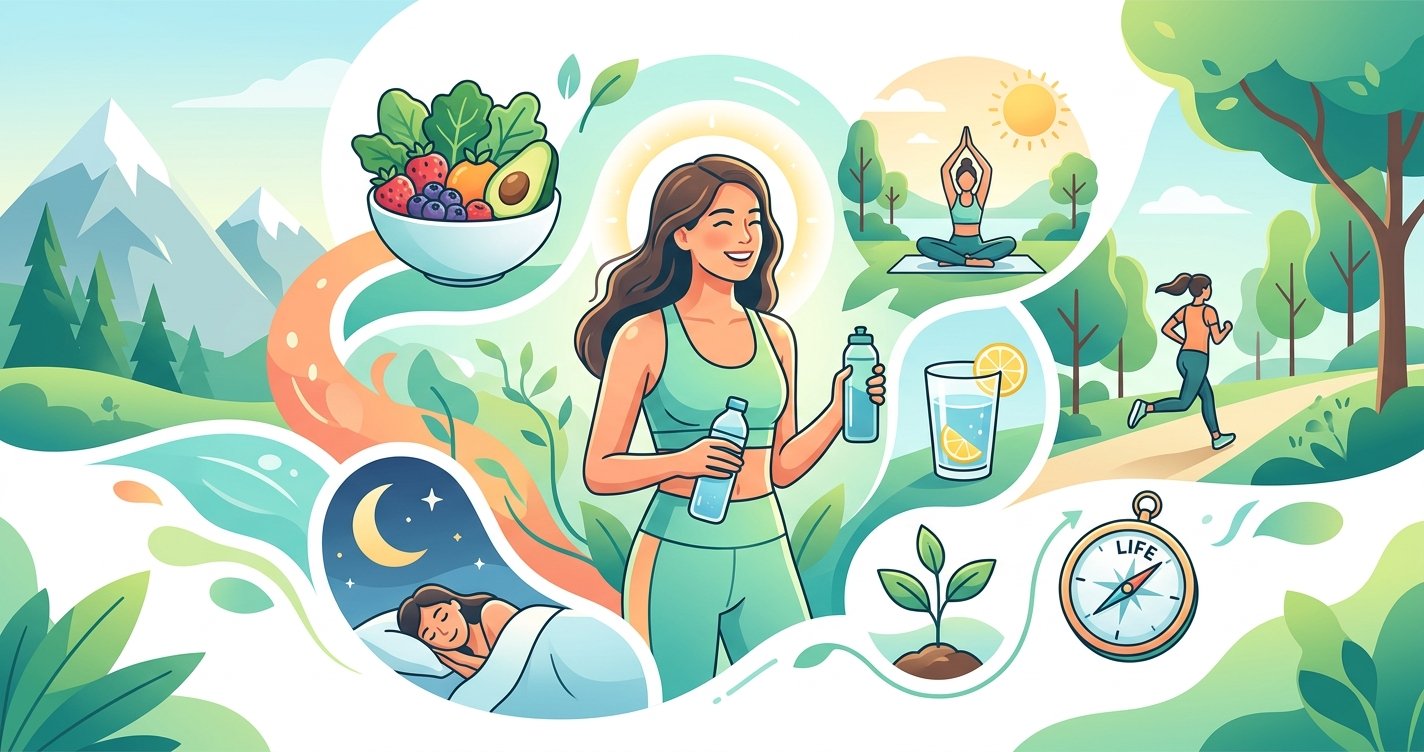
Have you ever found yourself caught in the exhausting cycle of crash dieting? You restrict, you lose weight rapidly, you feel deprived, and then, inevitably, the weight creeps back on, often bringing a few extra pounds with it. It's frustrating, demotivating, and frankly, it doesn't work in the long run. Let's be real: true fat loss isn't about quick fixes or extreme deprivation. It's about building sustainable habits that support your body, mind, and overall well-being for the long haul.
Imagine a life where you feel confident, energetic, and in control of your health, without constantly battling hunger or guilt. This isn't a fantasy; it's an achievable reality when you shift your focus from temporary weight loss to sustainable fat loss. In this comprehensive guide, we'll dive into evidence-based strategies that empower you to shed fat effectively and keep it off, transforming your relationship with food and your body. this excellent wellness product
The Calorie Deficit: Your Non-Negotiable Foundation (But Not the Whole Story)
At its core, fat loss boils down to one fundamental principle: consuming fewer calories than your body expends. This is known as a calorie deficit. Think of your body as a car: if you put less fuel in than you burn, eventually, you'll start using the fuel stored in your tank – in our case, body fat. However, this isn't an excuse for extreme restriction.
A moderate calorie deficit (typically 300-500 calories below your maintenance level) is key. Too large a deficit can trigger metabolic adaptation, where your body slows down its energy expenditure, making fat loss harder. It can also lead to muscle loss, nutrient deficiencies, and intense hunger, making adherence impossible. Focus on creating a deficit through mindful eating choices and increased activity, rather than drastic cuts. Tools like online TDEE (Total Daily Energy Expenditure) calculators can give you a starting point, but listening to your body and tracking your progress are equally important.
Protein Power: Why It's Your Fat Loss Friend
When it comes to sustainable fat loss, protein is your secret weapon. It plays several crucial roles that make your journey smoother and more effective:
- Satiety: Protein is incredibly filling. Including adequate protein in your meals helps you feel fuller for longer, reducing cravings and preventing overeating.
- Muscle Preservation: As you lose weight, there's always a risk of losing muscle along with fat. Protein helps preserve your precious muscle mass, which is vital because muscle tissue is more metabolically active than fat, meaning it burns more calories at rest.
- Thermic Effect of Food (TEF): Protein has the highest TEF among macronutrients. This means your body expends more energy digesting and metabolizing protein compared to carbohydrates or fats, giving you a slight metabolic boost.
Aim for at least 1.6-2.2 grams of protein per kilogram of body weight daily, distributed across your meals. Excellent sources include lean meats, poultry, fish, eggs, dairy, legumes, tofu, and protein supplements.
Embrace the Weights: Strength Training for a Leaner You
Many people associate fat loss purely with endless cardio, but strength training is arguably more impactful for sustainable results. Here's why you should embrace the weights:
- Builds Muscle, Boosts Metabolism: As mentioned, muscle is metabolically active. The more muscle you have, the higher your resting metabolic rate (RMR) will be, meaning you burn more calories even when you're just sitting around.
- Body Recomposition: Strength training helps you achieve body recomposition – losing fat while building or maintaining muscle. This means you'll not only weigh less (if that's your goal) but also look leaner, firmer, and more toned.
- Improved Insulin Sensitivity: Regular strength training can improve your body's sensitivity to insulin, which helps regulate blood sugar levels and can make it easier to lose fat.
- Bone Health & Overall Strength: Beyond aesthetics, strength training is crucial for bone density, joint health, and overall functional strength, making everyday tasks easier and reducing injury risk.
Start with 2-3 full-body strength training sessions per week. Focus on compound movements like squats, deadlifts, presses, and rows, and gradually increase the weight or resistance as you get stronger.
Beyond the Gym: The Hidden Pillars of Fat Loss
While nutrition and exercise are foundational, several often-overlooked lifestyle factors profoundly impact your ability to lose fat sustainably.
Sleep Smarter, Not Harder
In our fast-paced world, sleep is often the first thing we sacrifice. But lack of sleep wreaks havoc on your fat loss efforts. Poor sleep disrupts hormones that regulate hunger (ghrelin) and satiety (leptin), leading to increased appetite and cravings for high-calorie, high-carb foods. It also elevates cortisol, a stress hormone that can promote fat storage, especially around the belly. Aim for 7-9 hours of quality sleep per night.
Master Stress, Master Your Metabolism
Chronic stress, like chronic sleep deprivation, keeps cortisol levels elevated. This not only encourages fat storage but can also lead to emotional eating as a coping mechanism. Find healthy ways to manage stress: meditation, yoga, spending time in nature, hobbies, or simply deep breathing exercises. Prioritizing mental well-being is not a luxury; it's a necessity for sustainable fat loss.
Hydration: The Unsung Hero
Water is essential for countless bodily functions, including metabolism. Staying adequately hydrated can help you feel fuller, reduce mindless snacking, and even slightly boost your metabolism. Sometimes, what feels like hunger is actually thirst. Keep a water bottle handy and sip throughout the day.
NEAT: Move More, Effortlessly
Non-Exercise Activity Thermogenesis (NEAT) refers to the energy expended for everything we do that is not sleeping, eating, or sports-like exercise. This includes walking to work, taking the stairs, fidgeting, gardening, or standing while working. Increasing your NEAT can significantly contribute to your daily calorie expenditure without feeling like a formal workout. Park further away, take the stairs, stand up and stretch regularly, or go for short walks during breaks.
The Mindset Shift: Cultivating Patience and Consistency
Perhaps the most challenging, yet most crucial, aspect of sustainable fat loss is developing the right mindset. This journey is a marathon, not a sprint. You won't see dramatic changes overnight, and that's okay. Focus on consistency over perfection.
- Patience is Power: Celebrate small victories and understand that progress isn't linear. There will be plateaus and occasional setbacks; what matters is how you respond.
- Non-Scale Victories: Don't let the scale dictate your worth. Pay attention to how your clothes fit, your energy levels, improved strength, better sleep, and enhanced mood. These non-scale victories are powerful indicators of progress.
- Flexibility, Not Restriction: Sustainable eating means occasionally enjoying your favorite foods in moderation. Strict deprivation often leads to binges. Learn to integrate treats into your overall healthy pattern without guilt.
- Self-Compassion: Be kind to yourself. You're learning and growing. If you have an off day, don't throw in the towel. Acknowledge it, learn from it, and get back on track with your next meal or workout.
Putting It All Together: A Practical Roadmap
Ready to ditch the yo-yo diets and embrace a sustainable path? Here's how to start:
- Start Small, Build Gradually: Don't overhaul everything at once. Pick one or two habits to focus on each week – perhaps adding a protein source to every meal, or going for a 20-minute walk daily.
- Prioritize Protein & Fiber: Center your meals around lean protein and plenty of fruits, vegetables, and whole grains for fiber. This combination promotes satiety and nutrient intake.
- Incorporate Strength Training: Aim for 2-3 sessions per week. If you're new, consider working with a qualified coach or following a beginner-friendly program.
- Optimize Sleep & Stress: Make sleep a non-negotiable and find effective stress-reduction techniques that work for you.
- Stay Hydrated: Drink water consistently throughout the day.
- Track Progress (Beyond the Scale): Monitor your food intake for a few days to understand your habits, track your workouts, take progress photos, and note how your clothes fit.
- Be Consistent & Patient: This is the most important ingredient. Small, consistent efforts compound over time into incredible results.
Sustainable fat loss isn't about quick fixes; it's about building a healthier lifestyle, one conscious choice at a time. By focusing on a moderate calorie deficit, prioritizing protein and strength training, and optimizing sleep, stress, and hydration, you're not just losing fat – you're building a stronger, healthier, and more vibrant you for life. Empower yourself with these strategies, cultivate patience, and enjoy the journey to a truly sustainable transformation!