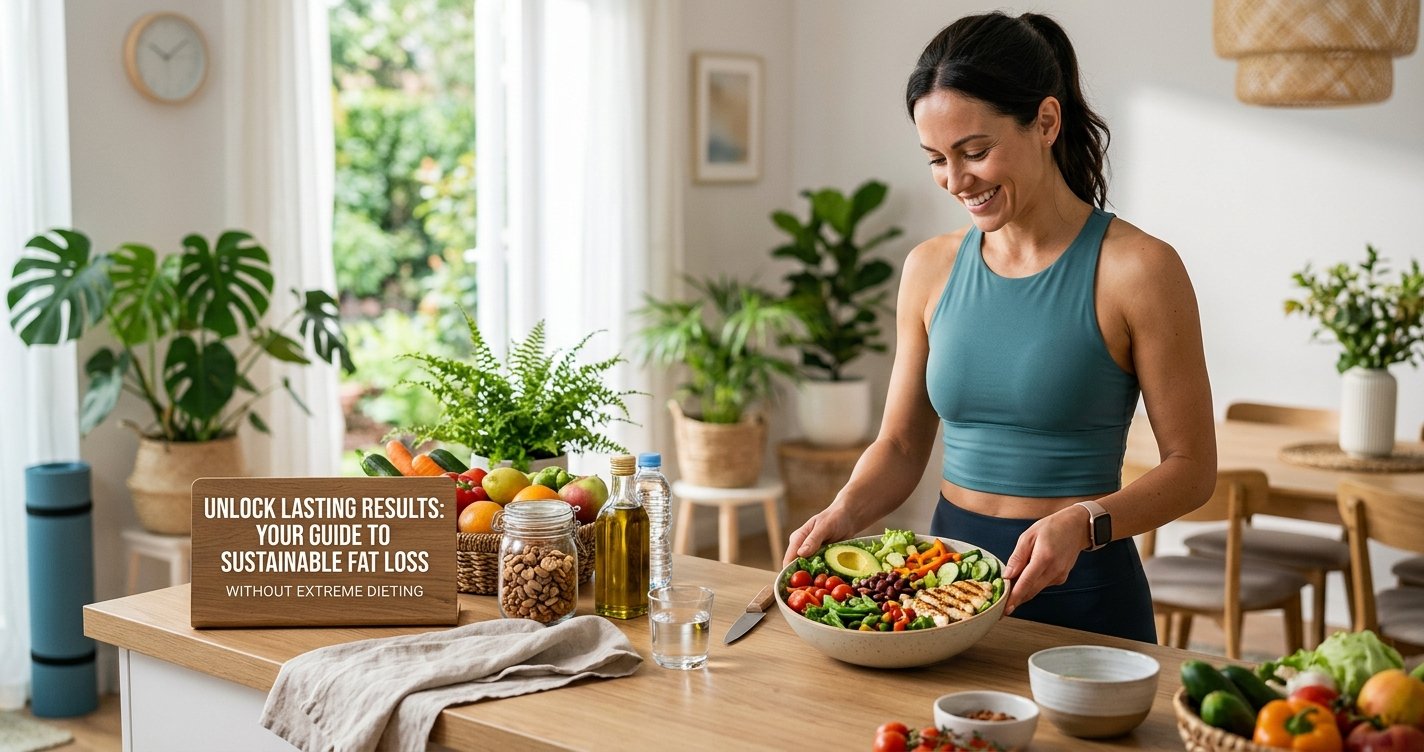
Tired of the diet rollercoaster? You know the one: intense restriction, rapid weight loss, followed by inevitable rebound and frustration. If you've been caught in this cycle, you're not alone. Millions struggle with finding a healthy, lasting approach to fat loss that doesn't feel like a punishment. The good news? Sustainable fat loss is absolutely achievable, and it doesn't require starvation, deprivation, or hours of grueling cardio.
This guide will empower you to break free from the extreme diet mentality and embrace a kinder, more effective path to your goals. We'll dive into evidence-based strategies that nourish your body, respect your metabolism, and build habits that stick for life. Get ready to transform not just your body, but your entire relationship with food and fitness! this excellent wellness product
The Problem with Crash Diets: Why They Always Fail
Before we dive into solutions, let's understand why those quick-fix diets often backfire. While they might promise rapid results, their restrictive nature triggers several physiological and psychological responses that make long-term success nearly impossible:
- Metabolic Adaptation: When you drastically cut calories, your body perceives it as a famine. It slows down your metabolism to conserve energy, making it harder to lose weight and easier to regain it once you stop the diet.
- Muscle Loss: Extreme calorie restriction, especially without adequate protein and strength training, often leads to a loss of valuable muscle mass. Muscle is metabolically active, meaning it burns more calories at rest. Losing it further hampers your metabolism.
- Hormonal Imbalance: Crash diets wreak havoc on hunger-regulating hormones like ghrelin (the 'hunger hormone') and leptin (the 'satiety hormone'). This can lead to increased cravings and a constant feeling of hunger. Cortisol, the stress hormone, also spikes, encouraging fat storage, especially around the belly.
- Nutrient Deficiencies: Restricting entire food groups can lead to a lack of essential vitamins and minerals, impacting your energy levels, mood, and overall health.
- Psychological Toll: Constant hunger, deprivation, and social isolation take a massive toll on your mental well-being. This often leads to feelings of failure, guilt, and eventually, binge eating, perpetuating the cycle.
It's clear: crash diets are not sustainable. So, what's the alternative?
Building Your Sustainable Fat Loss Foundation
Sustainable fat loss is about making consistent, manageable changes that you can maintain indefinitely. It's a holistic approach that considers nutrition, movement, sleep, and stress. Here's how to build your solid foundation:
1. Nourish, Don't Punish: A Smarter Approach to Nutrition
Forget strict rules and deprivation. Focus on fueling your body with nutrient-dense foods that keep you feeling full and satisfied.
- Prioritize Protein: Protein is king for fat loss. It helps you feel fuller for longer, reduces cravings, and is crucial for preserving muscle mass during a calorie deficit. Aim for a lean protein source with every meal (chicken, fish, eggs, tofu, legumes, Greek yogurt).
- Embrace Fiber-Rich Foods: Found in fruits, vegetables, and whole grains, fiber adds bulk to your meals, aids digestion, and helps regulate blood sugar, preventing energy crashes and subsequent cravings.
- Healthy Fats are Your Friends: Don't fear fats! Healthy fats from avocados, nuts, seeds, and olive oil are vital for hormone production, nutrient absorption, and satiety. Just be mindful of portion sizes as they are calorie-dense.
- Hydration is Key: Often overlooked, adequate water intake is crucial. Sometimes, thirst is mistaken for hunger. Drink plenty of water throughout the day, especially before meals.
- Gentle Calorie Deficit: To lose fat, you need to consume slightly fewer calories than you burn. However, this deficit should be modest (e.g., 300-500 calories below maintenance) to avoid triggering metabolic slowdown and extreme hunger. Focus on making smarter food choices rather than just eating less.
- Mindful Eating: Pay attention to your body's hunger and fullness cues. Eat slowly, savor your food, and put away distractions. This helps you recognize when you're truly satisfied.
2. Move Your Body: Beyond Just Cardio
Exercise is a powerful tool for fat loss, but it's not just about burning calories. It's about building a stronger, more resilient body.
- Strength Training is Non-Negotiable: Lifting weights (or using bodyweight) is arguably the most important exercise for fat loss. It builds and preserves muscle mass, which boosts your resting metabolism. Aim for 2-3 full-body strength sessions per week.
- Incorporate NEAT (Non-Exercise Activity Thermogenesis): This refers to the calories you burn from everyday movements outside of structured exercise. Think walking more, taking the stairs, standing while working, gardening. These small movements add up significantly!
- Enjoyable Cardio: While not the sole answer, moderate cardio (like brisk walking, jogging, cycling, swimming) is great for cardiovascular health, stress reduction, and can contribute to your calorie deficit. Find activities you genuinely enjoy!
3. The Power of Sleep: Your Secret Fat Loss Weapon
In our busy lives, sleep is often the first thing to be sacrificed, but it's a critical component of fat loss.
- Hormonal Regulation: Lack of sleep disrupts ghrelin and leptin, making you hungrier and less satisfied. It also increases cortisol, which promotes fat storage.
- Energy Levels & Cravings: When you're tired, you're more likely to crave sugary, high-calorie foods for quick energy and less likely to have the motivation to exercise or make healthy food choices.
- Muscle Repair: Sleep is when your body repairs and rebuilds muscle tissue after exercise. Aim for 7-9 hours of quality sleep per night.
4. Stress Management: Taming the Cortisol Beast
Chronic stress can sabotage your fat loss efforts, even if your diet and exercise are on point.
- Cortisol & Fat Storage: When stressed, your body releases cortisol, which signals your body to store fat, particularly around the abdomen.
- Emotional Eating: Stress often triggers emotional eating, leading you to seek comfort in highly palatable (and usually unhealthy) foods.
- Find Your Zen: Incorporate stress-reducing activities into your daily routine: meditation, yoga, deep breathing, spending time in nature, hobbies, or simply connecting with loved ones.
Mindset Matters: Cultivating Patience and Self-Compassion
Fat loss is a journey, not a destination. Your mindset plays a massive role in your success.
- Patience and Consistency: Sustainable fat loss is gradual. Celebrate small victories, trust the process, and understand that progress isn't always linear. Consistency over perfection is key.
- Focus on Health, Not Just the Scale: Shift your focus from just the number on the scale to overall health improvements: more energy, better sleep, stronger muscles, improved mood, clothes fitting better.
- Practice Self-Compassion: There will be slip-ups. Don't let one 'bad' meal or missed workout derail your entire journey. Forgive yourself, learn from it, and get back on track without guilt.
- Non-Scale Victories (NSVs): Pay attention to NSVs like increased strength, better endurance, improved mood, clearer skin, or simply feeling more confident. These are powerful motivators.
Practical Tips for Everyday Success
- Plan and Prep: Spend a little time each week planning your meals and snacks. Meal prepping can significantly reduce the chances of making impulsive, unhealthy choices when hunger strikes.
- Listen to Your Body: Learn to differentiate between true hunger and emotional cravings. Eat when you're hungry, stop when you're satisfied.
- Find Your Support System: Surround yourself with people who encourage your healthy choices, or consider working with a coach or joining a supportive community.
- Track Progress (Beyond the Scale): Take measurements, progress photos, track your strength gains, or simply journal how you feel.
Your Journey to Lasting Change
Sustainable fat loss isn't about chasing a fleeting ideal; it's about building a healthier, happier you from the inside out. It's about empowering yourself with knowledge, fostering self-care, and making choices that serve your long-term well-being.
By focusing on nourishing your body with whole foods, incorporating enjoyable movement, prioritizing sleep, and managing stress, you're not just losing fat – you're gaining vitality, confidence, and a sustainable lifestyle you can truly live with. Ditch the extreme diets for good and embrace a path that celebrates progress, not perfection. Your body and mind will thank you!