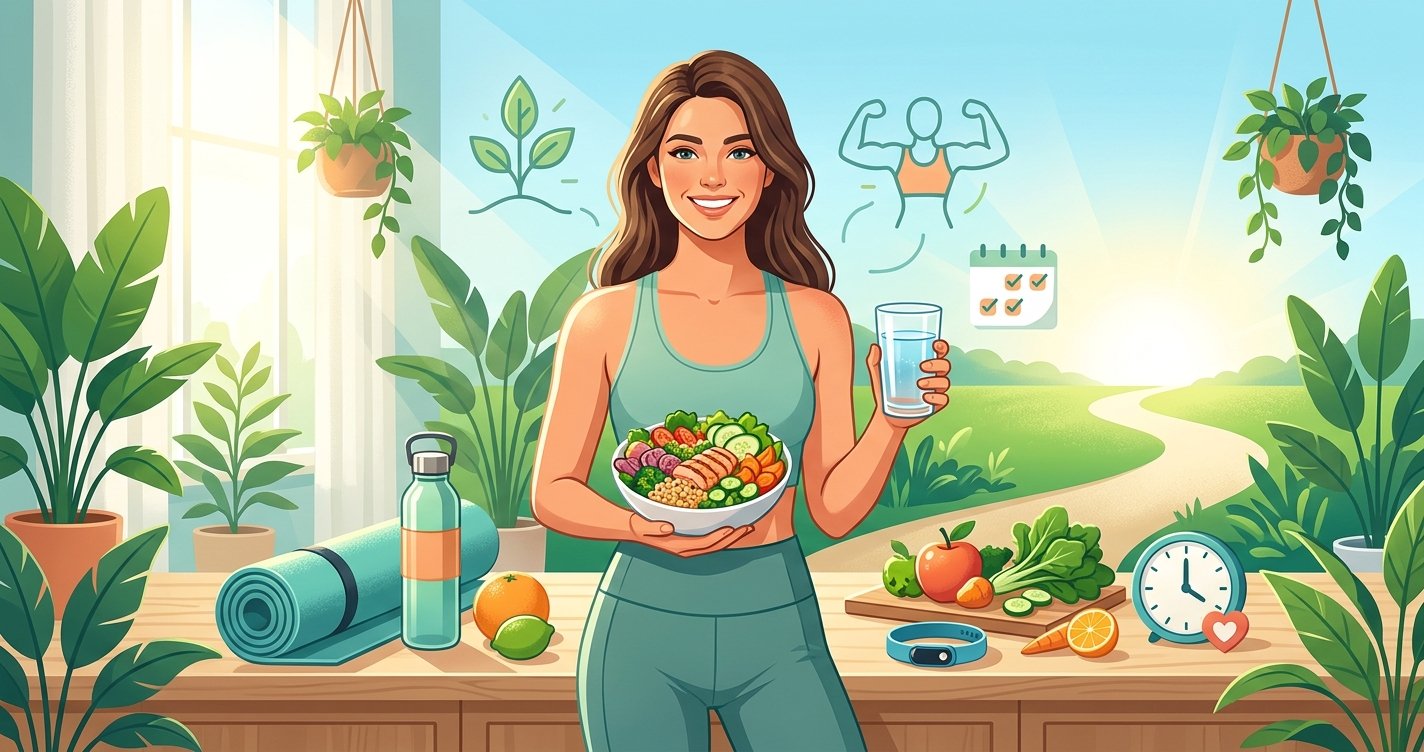
Are you tired of the endless cycle of restrictive diets, quick fixes, and the inevitable rebound? Many people embark on a fat loss journey with enthusiasm, only to be met with frustration when unsustainable methods fail to deliver lasting results. The good news? Sustainable fat loss isn't about deprivation or extreme measures. It's about understanding your body, making informed choices, and building habits that support your health and well-being for the long run.
This guide will cut through the noise, providing you with evidence-based strategies to achieve lasting fat loss without resorting to extreme diets. We'll explore the core principles, practical nutrition tips, effective exercise approaches, and crucial lifestyle factors often overlooked. Get ready to transform your body and your relationship with food in a way that truly sticks! this excellent wellness product
The Core Principle: Understanding Your Calorie Deficit (Without Starving!)
At its heart, fat loss boils down to one fundamental principle: consuming fewer calories than your body expends. This is known as creating a "calorie deficit." While this sounds simple, the execution often gets complicated by fad diets that advocate for extreme restriction, leading to hunger, nutrient deficiencies, and eventual failure.
A sustainable calorie deficit is not about starvation; it's about intelligent reduction. Your body needs a certain amount of energy (calories) to perform its basic functions (breathing, circulating blood, thinking) and to fuel your daily activities. This is your Total Daily Energy Expenditure (TDEE). To lose fat, you need to consistently eat slightly below your TDEE. A modest deficit of 300-500 calories per day is generally recommended for healthy, sustainable fat loss of 1-2 pounds per week. This approach allows your body to tap into its fat stores for energy without triggering extreme hunger or metabolic slowdown.
You don't need to meticulously count every single calorie forever. Understanding the concept helps you make better food choices and develop an intuitive sense of portion sizes. Focus on nutrient-dense foods that keep you feeling full and satisfied, making the deficit feel much more manageable.
Fueling Your Body Right: Nutrition for Sustainable Fat Loss
When it comes to fat loss, what you eat is just as important, if not more important, than how much you eat. Prioritizing nutrient-rich whole foods not only supports your calorie deficit but also provides essential vitamins, minerals, and fiber, keeping you energized and healthy.
-
Prioritize Protein: Your Satiety & Muscle Ally
Protein is your best friend on a fat loss journey. It's incredibly satiating, meaning it keeps you feeling fuller for longer, reducing the likelihood of overeating. Furthermore, protein is crucial for preserving lean muscle mass while you're in a calorie deficit. Muscle burns more calories at rest than fat, so maintaining it is key for a healthy metabolism. Aim for a lean protein source at every meal: chicken, fish, lean beef, eggs, Greek yogurt, tofu, lentils, or beans.
-
Embrace Fiber-Rich Foods: The Gut & Fullness Factor
Fiber, found abundantly in vegetables, fruits, and whole grains, adds bulk to your meals without adding many calories. This bulk helps you feel full and supports healthy digestion. Eating a wide variety of colorful vegetables and fruits ensures you're getting a spectrum of antioxidants and nutrients. Opt for whole grains like oats, quinoa, and brown rice over refined grains.
-
Don't Fear Healthy Fats: Essential for Hormones & Satiety
While fats are calorie-dense, healthy fats are essential for hormone production, nutrient absorption, and long-term satiety. Including sources like avocados, nuts, seeds, olive oil, and fatty fish (like salmon) in moderation can help you feel satisfied and prevent cravings. The key is moderation, as their calorie content adds up quickly.
-
Hydration is Key: Water for Metabolism & Fullness
Often overlooked, adequate water intake plays a significant role in fat loss. Water can help you feel full, sometimes preventing you from mistaking thirst for hunger. It also supports your metabolism and aids in nutrient transport. Aim to drink plenty of water throughout the day, especially before meals.
Move Your Body, Boost Your Burn: Exercise Beyond the Treadmill
Exercise isn't just about burning calories; it's about building a stronger, healthier body that is more efficient at burning fat. A well-rounded exercise routine combines strength training and cardiovascular activity.
-
Strength Training: Your Metabolic Supercharger
If you're serious about fat loss, strength training is non-negotiable. Building and maintaining muscle mass is vital because muscle tissue is metabolically active – it burns more calories at rest than fat tissue. This means the more muscle you have, the higher your resting metabolism, making it easier to sustain a calorie deficit. Aim for 2-4 strength training sessions per week, focusing on compound movements that work multiple muscle groups.
-
Cardio: Heart Health & Calorie Burn
Cardiovascular exercise, like brisk walking, jogging, cycling, or swimming, is excellent for calorie expenditure and improving heart health. It can help you create a larger calorie deficit and improve your endurance. Find activities you genuinely enjoy, making it easier to stick to your routine. Even incorporating more daily movement (Non-Exercise Activity Thermogenesis or NEAT) like taking the stairs, walking during phone calls, or parking further away, contributes significantly to your overall calorie burn.
The Unsung Heroes: Sleep, Stress, and Hydration
While nutrition and exercise get most of the spotlight, these often-neglected lifestyle factors can make or break your fat loss efforts.
-
Sleep: The Hormonal Regulator
Lack of sleep can wreak havoc on your hunger hormones. When you're sleep-deprived, your body produces more ghrelin (the hunger-stimulating hormone) and less leptin (the satiety hormone). This imbalance makes you feel hungrier and less satisfied, often leading to increased calorie intake and cravings for high-carb, high-fat foods. Aim for 7-9 hours of quality sleep per night to keep your hormones in check and your decision-making sharp.
-
Stress Management: Taming Cortisol
Chronic stress triggers the release of cortisol, a hormone that, in excess, can promote fat storage, particularly around the abdominal area. Stress can also lead to emotional eating, where food becomes a coping mechanism. Incorporate stress-reducing activities into your daily routine: meditation, yoga, deep breathing exercises, spending time in nature, or engaging in hobbies you love. Managing stress is not just about mental well-being; it's a crucial component of fat loss.
-
Hydration: Beyond Just Quenching Thirst
We touched on hydration earlier, but it deserves another mention. Beyond aiding metabolism and satiety, proper hydration ensures all your bodily systems, including those involved in fat burning, function optimally. Dehydration can lead to fatigue, reduced physical performance, and even headaches, making it harder to stick to your healthy habits.
Mindset Matters: Cultivating a Healthy Relationship with Food and Your Body
Fat loss is as much a mental game as it is a physical one. Your mindset, patience, and self-compassion are pivotal for long-term success.
-
Patience and Consistency Over Perfection
Fat loss is not linear. There will be days when the scale doesn't move, or even goes up slightly. This is normal. Focus on consistency in your habits rather than chasing perfection. Small, consistent efforts compound over time to create significant results. Celebrate non-scale victories like increased energy, better sleep, stronger lifts, or clothes fitting better.
-
Mindful Eating: Listen to Your Body
Instead of rigid rules, practice mindful eating. Pay attention to your hunger and fullness cues. Eat slowly, savor your food, and put away distractions. This helps you recognize when you're truly hungry and when you've had enough, preventing overeating and fostering a healthier relationship with food.
-
Embrace Self-Compassion
There will be slip-ups. You might overeat or miss a workout. Instead of dwelling on guilt or shame, practice self-compassion. Acknowledge the moment, learn from it, and gently guide yourself back on track. Be kind to yourself; sustainable change comes from a place of support, not self-criticism.
Practical Strategies for Long-Term Success
Translating knowledge into action requires practical strategies that fit into your lifestyle:
-
Meal Planning & Preparation: Dedicate some time each week to plan your meals and snacks. Prepping ingredients or cooking larger batches can save time and ensure you have healthy options readily available, reducing the temptation for less healthy choices.
-
Strategic Snacking: If you need snacks, choose wisely. Think protein and fiber combinations like Greek yogurt with berries, an apple with a handful of almonds, or vegetable sticks with hummus. This keeps you full and prevents excessive hunger at meal times.
-
Build a Support System: Share your goals with friends or family who can offer encouragement. Consider joining a fitness community or working with a coach for personalized guidance and accountability.
-
Learn to Read Labels: Understanding nutrition labels helps you make informed decisions about packaged foods, especially regarding serving sizes, sugar content, and healthy fats.
Your Journey to Lasting Fat Loss Starts Now
Sustainable fat loss isn't a race; it's a journey of consistent, mindful effort. By focusing on a moderate calorie deficit, prioritizing nutrient-dense foods, incorporating a balanced exercise routine, and optimizing your sleep and stress levels, you're not just losing fat – you're building a foundation for a healthier, more vibrant life. Ditch the extreme diets and embrace a holistic approach that truly works. Start small, stay consistent, and celebrate every step of your progress. Your body will thank you!