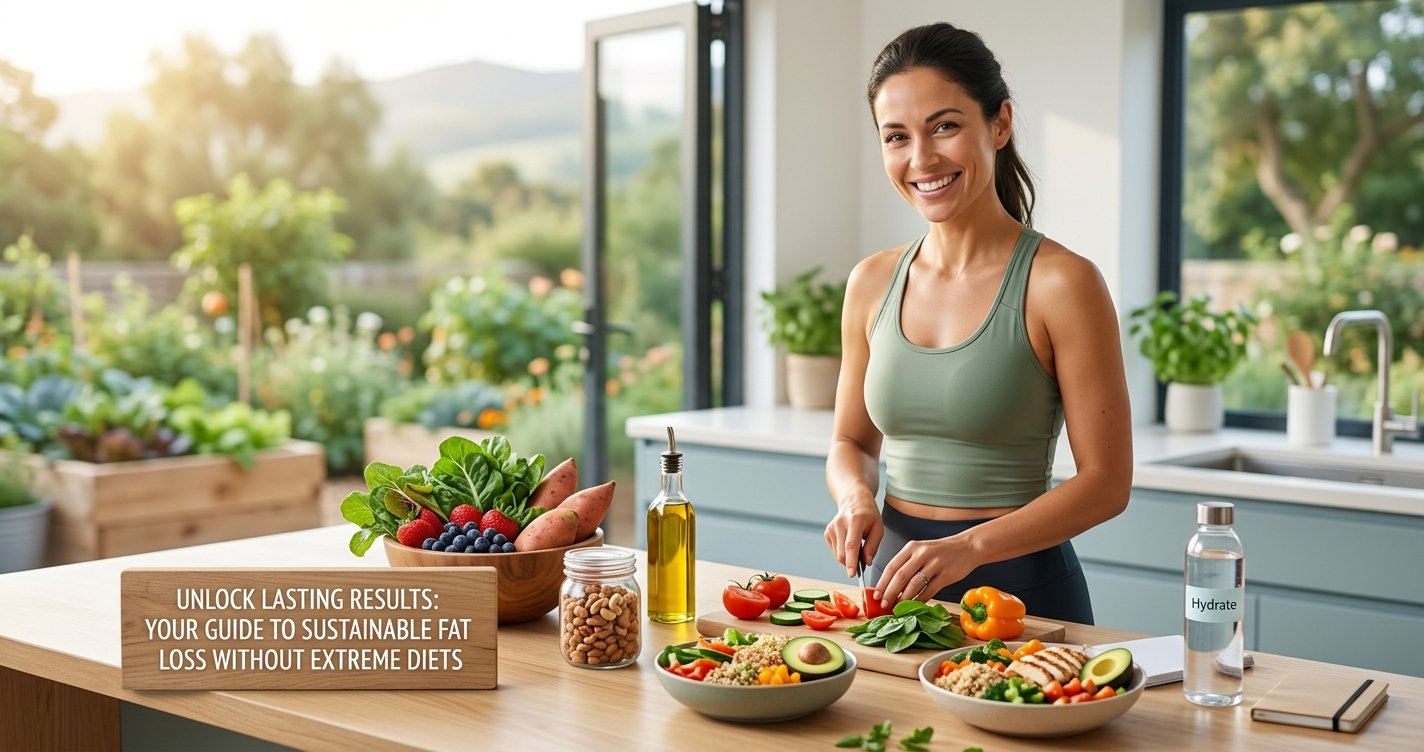
Unlock Lasting Results: Your Guide to Sustainable Fat Loss Without Extreme Diets
The journey to fat loss can often feel like a frustrating rollercoaster. We’re constantly bombarded with quick fixes, restrictive diets, and promises of rapid results. While these extreme approaches might deliver initial weight loss, they often lead to burnout, nutrient deficiencies, and – perhaps most frustratingly – the dreaded rebound weight gain. Sound familiar?
What if there was a better way? A path that focuses on sustainable habits, nourishes your body, and fosters a healthy relationship with food, all while helping you achieve lasting fat loss? Good news: there is! This comprehensive guide will walk you through evidence-based strategies for sustainable fat loss, helping you ditch the diet mentality and build a healthier, happier you. this excellent wellness product
Why Extreme Diets Fail: The Cycle of Restriction and Rebound
Before we dive into what works, let’s understand why the common quick-fix approaches often backfire. Extreme diets, whether they cut out entire food groups, drastically slash calories, or demand unrealistic food choices, trigger a series of responses in your body and mind:
- Metabolic Adaptation: Your body is incredibly smart. When calories are severely restricted, it perceives a famine and slows down your metabolism to conserve energy. This makes it harder to lose weight and easier to regain it once you stop the diet.
- Hormonal Imbalance: Drastic dieting can disrupt hunger and satiety hormones like leptin and ghrelin, leaving you feeling constantly hungry and unsatisfied.
- Nutrient Deficiencies: Eliminating entire food groups can lead to a lack of essential vitamins, minerals, and macronutrients, impacting your energy levels, mood, and overall health.
- Psychological Toll: Constant restriction often leads to cravings, feelings of deprivation, guilt, and an unhealthy obsession with food. This can pave the way for binge eating and a negative relationship with your body.
- Unsustainability: Simply put, most extreme diets are not enjoyable or feasible to maintain long-term. Life happens, and these rigid plans rarely fit into a normal social life or busy schedule.
The good news is, you don’t have to fall into this trap. Sustainable fat loss is about working *with* your body, not against it.
The Cornerstone: A Gentle, Consistent Calorie Deficit
At its core, fat loss boils down to a simple principle: consuming fewer calories than your body burns. This is known as a calorie deficit. However, the key to sustainability lies in making this deficit gentle and consistent, not drastic.
Understanding Your Maintenance Calories
Your body burns calories just to exist (Basal Metabolic Rate or BMR) and additional calories through daily activities and exercise (Total Daily Energy Expenditure or TDEE). To create a sustainable deficit, aim to eat 300-500 calories less than your TDEE. This allows for steady, healthy fat loss (typically 1-2 pounds per week) without triggering extreme metabolic slowdown or intense hunger.
- How to estimate: Numerous online calculators can give you a starting estimate for your TDEE based on your age, sex, weight, height, and activity level.
- Listen to your body: These are estimates. Pay attention to your hunger levels, energy, and progress. Adjust slightly as needed.
- Consistency is king: It’s better to maintain a moderate deficit consistently than to drastically cut calories for a few days and then overeat.
Fueling Your Body for Success: Prioritizing Protein, Fiber, and Healthy Fats
While calories matter, the *quality* of those calories plays a massive role in satiety, nutrient absorption, and muscle preservation during fat loss.
Protein: Your Satiety Powerhouse
Protein is arguably the most important macronutrient for fat loss. It:
- Increases Satiety: Protein helps you feel fuller for longer, reducing the likelihood of overeating.
- Preserves Muscle Mass: When you’re in a calorie deficit, your body can break down muscle for energy. Adequate protein intake helps protect your precious muscle, which is metabolically active and helps burn more calories.
- Boosts Metabolism: Protein has a higher thermic effect of food (TEF) than carbs or fats, meaning your body burns more calories digesting it.
Aim for 0.7-1 gram of protein per pound of body weight per day, spread across your meals. Excellent sources include lean meats, poultry, fish, eggs, dairy, legumes, and tofu.
Fiber: The Digestive Dynamo
Fiber is your gut’s best friend and a powerful ally in fat loss. It:
- Promotes Fullness: Fiber-rich foods add bulk to your meals, helping you feel satisfied.
- Stabilizes Blood Sugar: Slows down the absorption of sugar, preventing spikes and crashes that can lead to cravings.
- Supports Gut Health: A healthy gut microbiome is increasingly linked to metabolic health and weight management.
Load up on fruits, vegetables, whole grains, and legumes.
Healthy Fats: Essential for Hormones and Satiety
Don't fear fats! Healthy fats are crucial for hormone production, nutrient absorption, and providing sustained energy. They also contribute to satiety.
Focus on sources like avocados, nuts, seeds, olive oil, and fatty fish. Remember, while healthy, fats are calorie-dense, so portion control is still important.
Beyond the Plate: Movement, Sleep, and Stress Management
Fat loss isn't just about what you eat; it's a holistic endeavor that involves your entire lifestyle.
Move Your Body: Beyond Formal Exercise
While structured workouts are beneficial, integrating more movement into your daily life (Non-Exercise Activity Thermogenesis or NEAT) can significantly impact your calorie expenditure.
- Walk More: Take the stairs, park further away, go for a post-meal stroll.
- Strength Training: Building muscle not only sculpts your physique but also increases your resting metabolism, helping you burn more calories even at rest. Aim for 2-3 sessions per week.
- Cardio: Incorporate some cardiovascular exercise for heart health and additional calorie burn.
Prioritize Sleep: The Unsung Hero of Fat Loss
Lack of sleep wreaks havoc on your hormones, particularly ghrelin (the hunger hormone) and leptin (the satiety hormone). When you're sleep-deprived, ghrelin increases, making you feel hungrier, while leptin decreases, making it harder to feel full. Aim for 7-9 hours of quality sleep per night.
Manage Stress: Taming Cortisol
Chronic stress elevates cortisol levels, a hormone that can promote fat storage, especially around the abdominal area. Find healthy ways to manage stress, such as:
- Mindfulness and meditation
- Yoga or deep breathing exercises
- Spending time in nature
- Hobbies and social connections
Building Habits for Lasting Change: Patience and Consistency
Sustainable fat loss is a marathon, not a sprint. It’s about cultivating habits that you can maintain indefinitely, not just until you hit a certain number on the scale.
- Mindful Eating: Pay attention to your hunger and fullness cues. Eat slowly, savor your food, and avoid distractions.
- Track Your Progress (Not Just the Scale): The scale is just one metric. Also consider how your clothes fit, your energy levels, strength improvements, and body measurements.
- Patience and Self-Compassion: There will be good days and challenging days. Don’t let a slip-up derail your entire journey. Learn from it, adjust, and get back on track. Be kind to yourself.
- Small, Consistent Changes: Instead of overhauling everything at once, pick one or two habits to focus on each week. Small wins build momentum.
Conclusion: Embrace the Journey to a Healthier You
Ditching the allure of extreme diets and embracing a sustainable approach to fat loss is one of the kindest things you can do for your body and mind. It’s not about deprivation; it’s about nourishment, consistency, and building habits that support your long-term health and well-being.
Remember, your journey is unique. Listen to your body, celebrate your progress, and be patient with the process. By focusing on a gentle calorie deficit, nutrient-dense foods, adequate movement, quality sleep, and stress management, you’re not just losing fat – you’re building a foundation for a healthier, happier, and more energetic life that truly lasts.