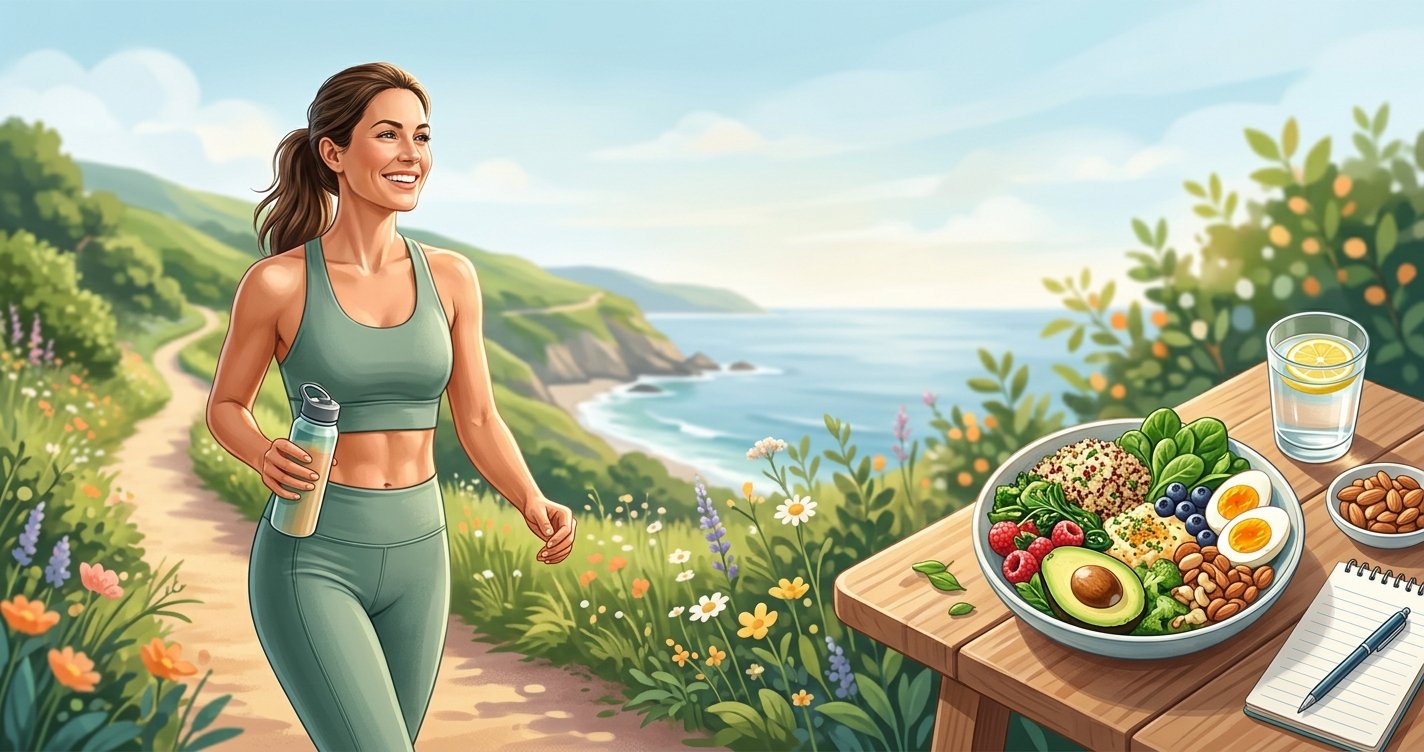
Tired of the Diet Rollercoaster? Discover Sustainable Fat Loss
Have you ever found yourself caught in the endless cycle of crash diets? You restrict, you lose weight quickly, then you inevitably rebound, often gaining back more than you lost. It's a frustrating, demotivating pattern that leaves many feeling hopeless about achieving their fat loss goals. But what if there was a better way? A path to sustainable fat loss that doesn't involve extreme deprivation, endless hunger, or a constant battle with cravings?
This isn't about quick fixes or magic pills. It's about empowering you with evidence-based strategies to build lasting habits, foster a healthier relationship with food, and achieve your desired body composition without sacrificing your well-being. We're going to explore how to move beyond restrictive eating and embrace a balanced, holistic approach that works with your body, not against it. Get ready to ditch the diet mentality and embark on a journey towards real, sustainable change. this excellent wellness product
Why Crash Diets & Extreme Restriction Always Fail in the Long Run
Before we dive into what does work, let's understand why the traditional approach so often falls short. Crash diets promise rapid results by drastically cutting calories, often eliminating entire food groups. While the scale might move initially, this approach is fundamentally flawed for several reasons:
- Metabolic Adaptation: Your body is smart. When faced with severe calorie restriction, it adapts by slowing down your metabolism to conserve energy. This makes further fat loss incredibly difficult and sets you up for rapid weight regain once you return to normal eating.
- Muscle Loss: Rapid weight loss from crash diets often includes a significant amount of precious muscle mass, not just fat. Muscle is metabolically active, meaning it burns more calories at rest. Losing it further hinders your metabolism and makes it harder to maintain weight in the future.
- Nutrient Deficiencies: Eliminating food groups or drastically reducing intake can lead to deficiencies in essential vitamins, minerals, and macronutrients, impacting energy levels, mood, and overall health.
- Psychological Toll: Constant hunger, cravings, and the mental burden of restriction often lead to feelings of deprivation, guilt, and eventual binge eating. This creates a vicious cycle that damages your relationship with food and your body image.
The Foundations of Sustainable Fat Loss: A Balanced Approach
So, if restriction isn't the answer, what is? Sustainable fat loss hinges on creating a slight, consistent calorie deficit while nourishing your body adequately. It's about strategic eating, not deprivation, and integrating lifestyle factors that support your goals.
Fueling Your Body, Not Depriving It: Understanding Calorie Deficit (Without Obsession)
At its core, fat loss requires consuming slightly fewer calories than your body expends. This is known as a calorie deficit. However, this doesn't mean eating tiny portions or feeling constantly hungry. The goal is a moderate deficit (around 300-500 calories below maintenance) that allows for steady, manageable fat loss (typically 0.5-1% of body weight per week) without triggering the metabolic backlash of extreme restriction.
Focus on nutrient-dense foods that provide satiety for fewer calories. Think lean proteins, plenty of vegetables, fruits, and whole grains. You don't need to meticulously count every calorie, but becoming aware of portion sizes and the caloric density of foods can be incredibly empowering.
The Power of Protein and Fiber: Satiety, Muscle Preservation, and Gut Health
These two macronutrients are your best friends on a fat loss journey:
- Protein: Essential for building and repairing tissues, protein is crucial for preserving muscle mass during a calorie deficit. It's also highly satiating, meaning it helps you feel fuller for longer, reducing the urge to snack. Aim for a lean protein source with every meal: chicken, fish, lean beef, eggs, Greek yogurt, tofu, lentils.
- Fiber: Found in fruits, vegetables, whole grains, and legumes, fiber adds bulk to your meals without adding many calories. It aids digestion, helps regulate blood sugar, and significantly contributes to feelings of fullness, making it easier to stick to your calorie goals.
Smart Carb Choices and Healthy Fats: Energy and Essential Nutrients
Don't fear carbs or fats! They are vital for energy, hormone production, and overall health. The key is making smart choices:
- Complex Carbohydrates: Opt for whole, unprocessed carbs like oats, brown rice, quinoa, sweet potatoes, and whole-grain bread. These provide sustained energy, fiber, and essential nutrients, unlike refined carbs which can lead to energy crashes and cravings.
- Healthy Fats: Fats are calorie-dense, but essential for hormone function, nutrient absorption, and satiety. Include sources like avocados, nuts, seeds, olive oil, and fatty fish (salmon) in moderation. They contribute to a feeling of satisfaction and prevent excessive hunger.
Beyond the Plate: Lifestyle Factors for Lasting Results
Your diet is a huge piece of the puzzle, but it's not the only one. Lifestyle factors play a critical role in optimizing your body's ability to burn fat and maintain results.
Move Your Body, Love Your Body: Finding Enjoyable Activity
Physical activity doesn't have to mean hours of grueling cardio. Find activities you genuinely enjoy and incorporate them into your routine. This could be:
- Strength Training: Builds and preserves muscle mass, which boosts your metabolism and improves body composition. Aim for 2-3 sessions per week.
- Cardio: Improves cardiovascular health and burns calories. Walking, jogging, cycling, swimming, dancing – choose what you love.
- NEAT (Non-Exercise Activity Thermogenesis): Simple daily movements like taking the stairs, parking further away, or standing more often add up significantly.
The goal is consistent movement, not perfection. Listen to your body and celebrate every step.
The Unsung Hero: Sleep and Stress Management
Often overlooked, sleep and stress are profoundly linked to fat loss:
- Quality Sleep: Lack of sleep disrupts hormones that regulate hunger (ghrelin) and satiety (leptin), leading to increased cravings and a tendency to overeat. Aim for 7-9 hours of quality sleep per night.
- Stress Management: Chronic stress elevates cortisol levels, a hormone linked to increased appetite, fat storage (especially around the abdomen), and difficulty losing weight. Incorporate stress-reducing activities like meditation, yoga, deep breathing, or spending time in nature.
Mindset Matters: Cultivating Patience and Self-Compassion
Fat loss is a journey, not a race. There will be good days and challenging days. Cultivating patience, consistency, and self-compassion is crucial:
- Be Patient: Sustainable fat loss is gradual. Celebrate small victories and focus on consistent effort rather than instant gratification.
- Practice Self-Compassion: Don't beat yourself up over perceived 'failures.' Learn from setbacks and gently redirect yourself. This journey is about progress, not perfection.
- Focus on Health: Shift your focus from just a number on the scale to overall health, energy, and well-being. This creates a more positive and sustainable motivation.
Practical Steps to Start Your Sustainable Journey Today
Ready to put these principles into action? Here are some actionable steps to get started:
- Start Small, Build Gradually: Don't overhaul everything at once. Pick one or two habits to focus on each week. Maybe it's adding a protein source to every meal, or going for a 20-minute walk daily.
- Prioritize Protein and Produce: At every meal, ensure half your plate is non-starchy vegetables and a quarter is a lean protein. This simple rule helps with satiety and nutrient intake.
- Hydrate Smartly: Drink plenty of water throughout the day. Sometimes thirst is mistaken for hunger.
- Listen to Your Body's Cues: Practice mindful eating. Eat when you're truly hungry and stop when you're comfortably full, not stuffed. Pay attention to how different foods make you feel.
- Plan Ahead: Meal prepping or simply planning your meals for the week can prevent last-minute unhealthy choices. Keep healthy snacks on hand.
- Move Consistently: Find an activity you enjoy and commit to it. Even 10-15 minutes of movement daily is better than nothing.
- Prioritize Sleep: Create a relaxing bedtime routine and aim for consistent sleep hours.
Embrace Your Journey to Lasting Health
Achieving sustainable fat loss is about more than just shedding pounds; it's about building a healthier, more vibrant life. By focusing on nourishing your body, moving it regularly, managing stress, and cultivating a positive mindset, you can break free from the cycle of restrictive dieting and achieve lasting results. Remember, this is your unique journey. Be kind to yourself, stay consistent, and celebrate every step of your progress. You've got this!