Beyond the Scale: Building Sustainable Habits for Lasting Fat Loss
Tired of the yo-yo diet rollercoaster? The endless cycle of restrictive eating, quick weight loss, and then, inevitably, gaining it all back – sometimes even more? You’re not alone. In a world obsessed with rapid transformations and 'lose 10 pounds in 10 days' promises, it’s easy to feel frustrated when those quick fixes inevitably fail. But what if sustainable fat loss wasn't about deprivation and extreme measures, but about building lasting habits that genuinely support your body and mind?
True, lasting fat loss isn't a sprint; it's a marathon powered by consistent, positive choices. It's about nurturing your body, understanding its needs, and cultivating a lifestyle that makes health effortless, rather than a constant battle. This isn't just about dropping numbers on a scale; it's about feeling energized, confident, and strong in your own skin. Let's explore how to shift your focus from temporary fixes to a foundation of sustainable habits that will serve you for life. this excellent wellness product
Why Quick Fixes Fail: The Cycle of Dieting
The allure of rapid results is powerful. We're bombarded with images of dramatic before-and-afters, often achieved through highly restrictive diets or intense, unsustainable workout regimens. While these approaches might offer a temporary drop in weight, they rarely lead to lasting fat loss. Here's why:
- Metabolic Adaptation: Extreme calorie restriction can signal to your body that it's in a famine, slowing down your metabolism to conserve energy. This makes it harder to lose fat and easier to regain weight once you resume normal eating.
- Nutrient Deficiencies: Restrictive diets often cut out entire food groups, leading to a lack of essential vitamins and minerals crucial for overall health and energy.
- Psychological Toll: Constant deprivation can lead to intense cravings, emotional eating, and a negative relationship with food. This often results in a 'rebound effect' where individuals overeat after a period of restriction.
- Unsustainability: Can you genuinely envision eating only cabbage soup or cutting out all carbs for the rest of your life? Probably not. If a plan isn't enjoyable or realistic long-term, it's destined to fail.
Sustainable fat loss, on the other hand, prioritizes health, consistency, and enjoyment, making it a journey you can stick with.
The Foundation: Calorie Awareness, Not Obsession
At its core, fat loss requires a calorie deficit – consuming fewer calories than your body expends. However, this doesn't mean you need to meticulously track every single morsel of food for the rest of your life. The goal is calorie awareness, which empowers you to make informed choices without feeling obsessive.
- Understand Portion Sizes: Many people underestimate how much they're eating. A quick glance at standard serving sizes on labels can be eye-opening.
- Focus on Whole Foods: Unprocessed foods like fruits, vegetables, lean proteins, and whole grains are generally lower in calories and higher in nutrients and fiber, keeping you fuller for longer.
- Mindful Eating: Pay attention to your hunger and fullness cues. Eat slowly, savor your food, and put down your fork between bites. This helps you recognize when you're satisfied, not just stuffed.
- Educate Yourself: Learn the basic calorie density of common foods. You don't need to be an expert, but knowing that an avocado is calorie-dense while spinach is not can guide your choices.
By building this awareness, you gain control over your energy intake in a flexible, sustainable way.
Fueling Your Body: Prioritizing Protein and Whole Foods
What you eat is just as crucial as how much. Focusing on nutrient-dense foods, especially protein, can dramatically impact your fat loss journey.
- The Power of Protein: Protein is your best friend for fat loss. It's highly satiating, meaning it keeps you feeling full and reduces cravings. It also has a higher thermic effect, meaning your body burns more calories digesting it. Crucially, adequate protein intake helps preserve muscle mass during a calorie deficit, which is vital for maintaining a healthy metabolism.
Excellent Protein Sources:
- Lean Meats (chicken breast, turkey, lean beef)
- Fish and Seafood (salmon, cod, shrimp)
- Eggs
- Dairy (Greek yogurt, cottage cheese)
- Legumes (lentils, beans, chickpeas)
- Tofu and Tempeh
- Protein Powder (whey, casein, plant-based)
Whole Foods for the Win: Beyond protein, filling your plate with a variety of fruits, vegetables, and whole grains provides essential vitamins, minerals, and fiber. Fiber is fantastic for satiety, digestive health, and helps regulate blood sugar levels. These foods are generally lower in calories and higher in nutrients compared to their processed counterparts.
Don't Forget Hydration: Often overlooked, drinking enough water is fundamental. Sometimes, your body confuses thirst for hunger. Aim for at least 8 glasses a day, and consider drinking a glass before meals to aid satiety.
Move More, Live Better: Incorporating Activity You Enjoy
You don't need to become a gym fanatic to achieve sustainable fat loss, but increasing your physical activity is undeniably beneficial. The key is finding movement you genuinely enjoy, making it easier to stick with long-term.
- Increase NEAT (Non-Exercise Activity Thermogenesis): This includes all the calories you burn from daily activities that aren't formal exercise. Think taking the stairs, parking further away, walking during phone calls, or fidgeting. These small movements add up!
- Embrace Strength Training: Lifting weights or using bodyweight exercises is incredibly effective for fat loss. Muscle tissue is metabolically active, meaning it burns more calories at rest than fat tissue. Building muscle not only sculpts your physique but also boosts your metabolism, making fat loss easier in the long run.
- Find Your Cardio Groove: Cardiovascular activity (walking, jogging, cycling, swimming, dancing) is excellent for heart health, burning calories, and improving mood. Experiment with different activities until you find something you look forward to.
- Consistency Over Intensity: A moderate workout you do consistently is far more effective than an intense one you dread and rarely complete.
The Unseen Heroes: Sleep and Stress Management
You can eat perfectly and exercise diligently, but if your sleep and stress levels are out of whack, sustainable fat loss will be an uphill battle. These 'unseen heroes' play a monumental role in your body's ability to burn fat effectively.
- The Power of Sleep: Inadequate sleep wreaks havoc on your hormones. It increases ghrelin (the hunger hormone) and decreases leptin (the satiety hormone), leading to increased cravings, especially for high-calorie, sugary foods. Poor sleep also elevates cortisol, a stress hormone that encourages fat storage, particularly around the belly. Aim for 7-9 hours of quality sleep per night.
Tips for Better Sleep:
- Establish a consistent sleep schedule.
- Create a relaxing bedtime routine.
- Keep your bedroom dark, cool, and quiet.
- Limit screen time before bed.
- Avoid caffeine and heavy meals late in the evening.
Conquering Stress: Chronic stress also keeps cortisol levels elevated, promoting fat storage and increasing emotional eating tendencies. Finding healthy ways to manage stress is crucial for both mental well-being and fat loss.
Stress Management Strategies:
- Practice mindfulness or meditation.
- Engage in hobbies you enjoy.
- Spend time in nature.
- Connect with loved ones.
- Practice deep breathing exercises.
- Consider journaling to process thoughts and feelings.
Mindset Matters: Cultivating Patience and Self-Compassion
Sustainable fat loss isn't just about physical actions; it's profoundly influenced by your mental approach. A healthy mindset is your secret weapon against setbacks and frustrations.
- Shift from Perfection to Progress: No one is perfect. There will be days you overeat, miss a workout, or make less-than-ideal choices. Instead of letting one slip-up derail your entire journey, acknowledge it, learn from it, and get back on track with your next meal or workout.
- Practice Self-Compassion: Be kind to yourself. Treat yourself with the same understanding and encouragement you'd offer a friend. Self-criticism is demotivating; self-compassion fosters resilience.
- Celebrate Small Victories: Don't wait for the 'finish line' to acknowledge your efforts. Celebrate consistent workouts, choosing a healthy snack, resisting a craving, or getting a good night's sleep. These small wins build momentum and reinforce positive behaviors.
- Focus on How You Feel: Beyond the numbers on the scale, pay attention to increased energy, better sleep, improved mood, and clothes fitting more comfortably. These non-scale victories are powerful motivators.
- Build a Supportive Environment: Surround yourself with people who uplift and encourage you. Share your goals with a trusted friend or family member, or consider joining a supportive community.
Making it Stick: Building Habits That Last
The core of sustainable fat loss lies in transforming positive actions into automatic habits. This isn't about willpower; it's about making healthy choices the default.
- The Micro-Habit Approach: Instead of trying to overhaul everything at once, pick one tiny, achievable change and make it a habit. For example, instead of 'I'll work out for an hour every day,' try 'I'll do 10 squats when I wake up.' Once that's automatic, add another small habit.
- Habit Stacking: Link a new habit to an existing one. 'After I brush my teeth (existing habit), I will drink a glass of water (new habit).'
- Environmental Cues: Design your environment to support your goals. Keep healthy snacks visible, put your running shoes by the door, or prep your meals in advance.
- Patience and Persistence: Building new habits takes time and repetition. Don't get discouraged if you miss a day; just pick up where you left off. Consistency is far more powerful than sporadic intensity.
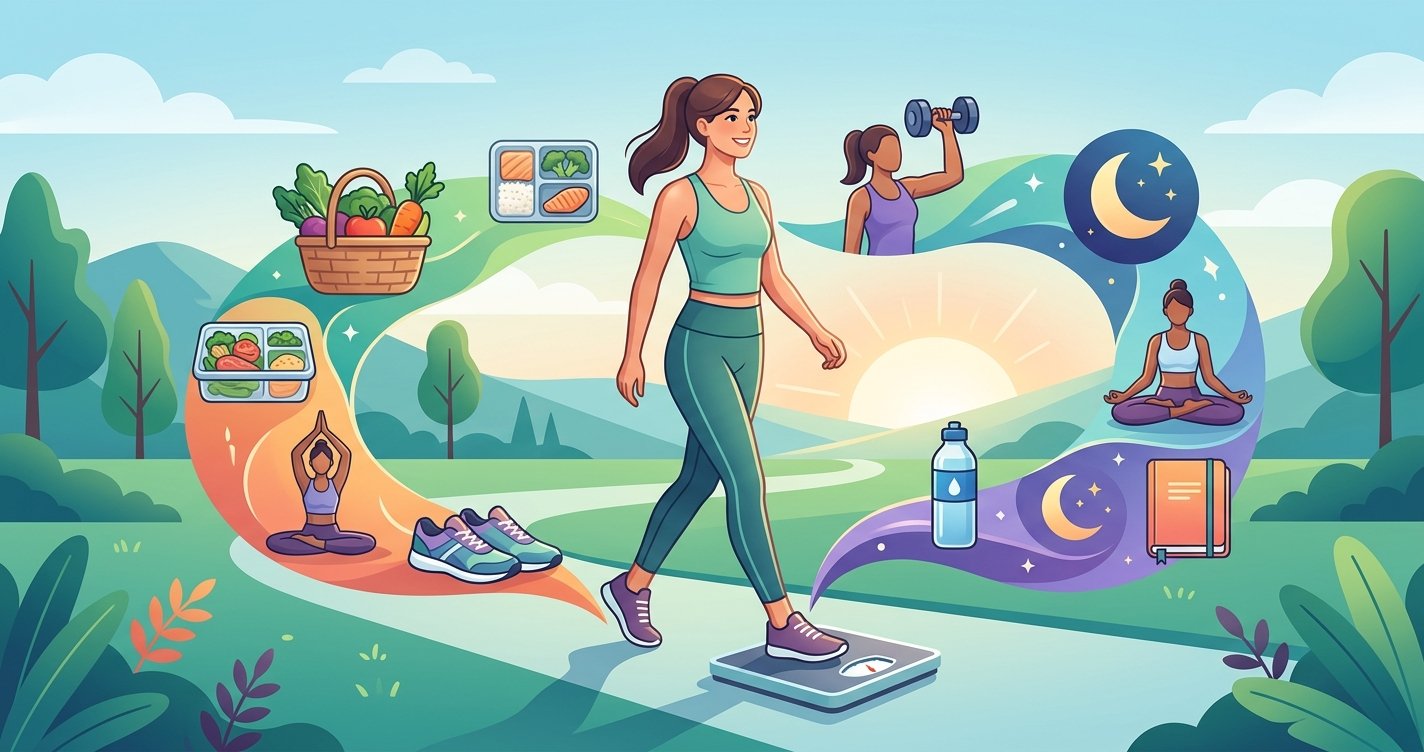
Sustainable fat loss is a journey of self-discovery and empowerment. It's about letting go of the quick-fix mentality and embracing a lifestyle that nourishes your body, mind, and spirit. By focusing on consistent, small, positive habits – from what you eat and how you move, to how you sleep and manage stress – you're not just losing fat; you're building a foundation for lifelong health and well-being. Start small, be patient, and trust the process. Your healthier, happier self is waiting.