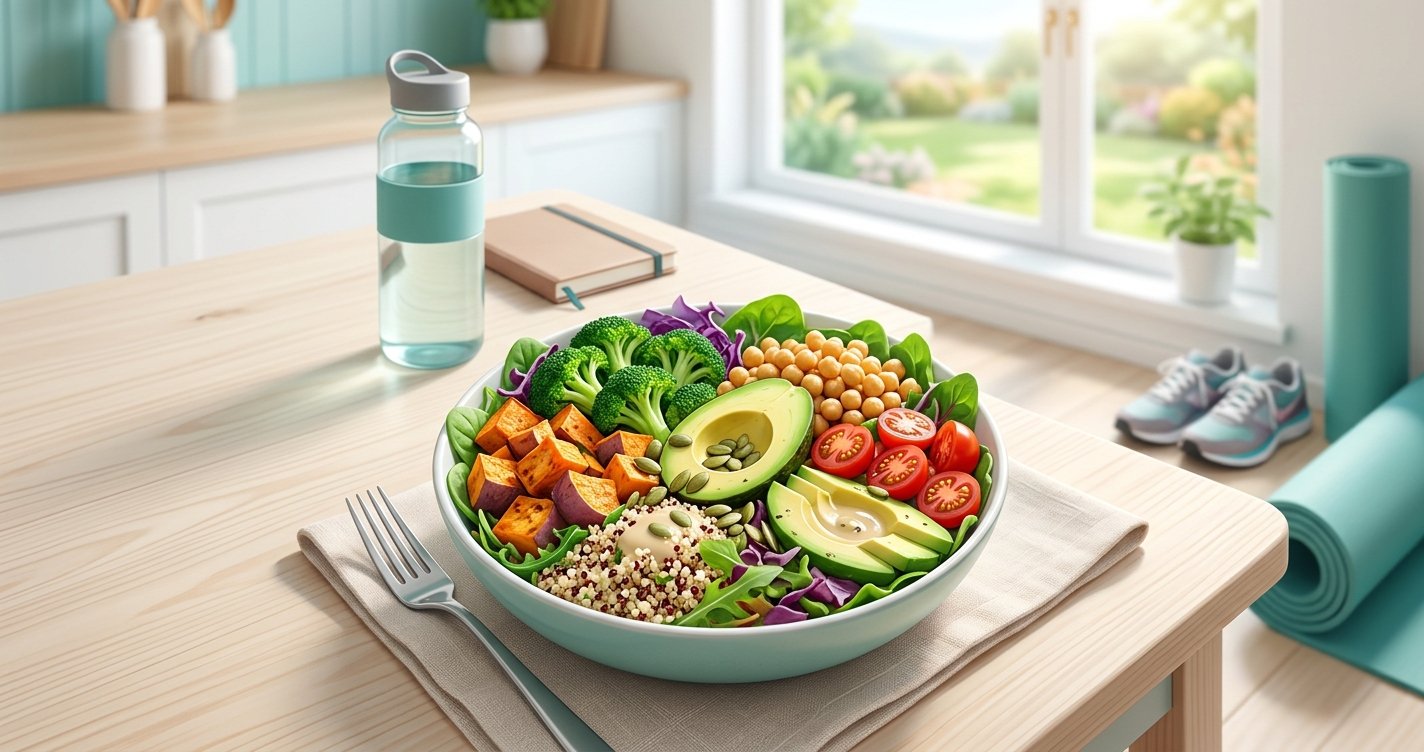
Fueling Your Journey: Sustainable Nutrition Strategies for Lasting Fat Loss
Are you tired of the endless cycle of crash diets, quick fixes, and the inevitable rebound? You're not alone. The world of fat loss is often cluttered with tempting promises that rarely deliver long-term results. But what if there was a better way? A path focused on building habits that last, nourishing your body, and understanding the science behind sustainable fat loss?
This isn't about deprivation or rigid rules; it's about empowerment. It's about equipping you with evidence-based strategies to create a healthy relationship with food that supports your fat loss goals, not just for a few weeks, but for life. Let's dive into how you can transform your approach to nutrition and unlock sustainable success! this excellent wellness product
Beyond Crash Diets: Why Sustainability Matters
The allure of rapid fat loss is powerful, leading many to extreme calorie restriction, restrictive food lists, and intense supplement regimens. While these methods might yield initial results, they often come with a heavy price: nutrient deficiencies, metabolic slowdown, hormonal imbalances, and a significant psychological toll. The body perceives extreme dieting as a threat, triggering survival mechanisms that make long-term adherence incredibly difficult and rebound weight gain almost inevitable.
True, lasting fat loss isn't a sprint; it's a marathon. It requires creating a lifestyle that you can maintain comfortably, one that respects your body's needs and integrates seamlessly into your daily life. Sustainable nutrition focuses on gradual, consistent progress, allowing your body to adapt without feeling constantly under siege. This approach fosters a healthier metabolism, preserves muscle mass, and builds a positive relationship with food, making your journey much more enjoyable and successful.
The Foundation: Understanding Your Caloric Deficit
At its core, fat loss boils down to one fundamental principle: consuming fewer calories than your body expends. This is known as a caloric deficit. While it sounds simple, the execution requires a nuanced understanding.
First, you need to estimate your Total Daily Energy Expenditure (TDEE), which is the total number of calories your body burns in a day, including basal metabolic rate, activity, and digestion. Online TDEE calculators can provide a good starting point, but remember they are estimates. Once you have an estimate, aim for a moderate deficit of 300-500 calories per day. This allows for steady fat loss (typically 0.5-1 pound per week) without triggering the extreme compensatory mechanisms associated with larger deficits.
Don't Just Count Calories, Make Them Count!
While a caloric deficit is essential, the quality of those calories matters immensely. Filling your deficit with nutrient-dense foods ensures your body receives the vitamins, minerals, and fiber it needs to function optimally, support energy levels, and keep hunger at bay. Think whole foods over processed ones.
Macronutrients for Success: The Power Trio
Your diet is composed of three main macronutrients: protein, carbohydrates, and fats. Each plays a crucial role in your health and fat loss journey.
Protein: Your Fat Loss Ally
Protein is arguably the most critical macronutrient for fat loss. Here's why:
- Satiety: Protein is incredibly satiating, helping you feel fuller for longer and reducing overall calorie intake.
- Muscle Preservation: When in a caloric deficit, your body can break down muscle for energy. Adequate protein intake helps preserve precious muscle mass, which is vital for maintaining a healthy metabolism.
- Thermic Effect of Food (TEF): Protein has a higher TEF than carbs or fats, meaning your body burns more calories digesting and metabolizing it.
Good sources: Lean meats (chicken breast, turkey), fish (salmon, cod), eggs, Greek yogurt, cottage cheese, legumes, tofu, protein powder.
Carbohydrates: Fueling Your Body Wisely
Carbohydrates often get a bad rap, but they are your body's primary source of energy. The key is choosing the right kind.
- Complex Carbs & Fiber: Opt for complex carbohydrates rich in fiber, which provide sustained energy, aid digestion, and contribute to satiety. They prevent blood sugar spikes and crashes, which can lead to cravings.
- Avoid Refined Carbs: Limit highly processed, refined carbohydrates (like white bread, sugary drinks, pastries) that offer little nutritional value and can lead to energy dips and increased hunger.
Good sources: Whole grains (oats, brown rice, quinoa, whole-wheat bread), fruits, vegetables, sweet potatoes.
Fats: Essential for Health and Satiety
Dietary fats are crucial for hormone production, nutrient absorption, and overall cell function. While calorie-dense, healthy fats are vital and contribute significantly to satiety.
- Focus on Healthy Fats: Prioritize monounsaturated and polyunsaturated fats.
- Portion Control: Be mindful of portion sizes, as fats contain 9 calories per gram, compared to 4 calories per gram for protein and carbs.
Good sources: Avocados, nuts, seeds, olive oil, fatty fish (salmon, mackerel).
Mindful Eating: Beyond What You Eat
Fat loss isn't just about what you eat, but also how you eat. Mindful eating is a powerful practice that can transform your relationship with food.
- Slow Down: Take your time with meals. Put your fork down between bites. This allows your body to register fullness cues.
- Pay Attention: Notice the flavors, textures, and aromas of your food. Avoid distractions like TV or your phone.
- Listen to Your Body: Eat when you're truly hungry, and stop when you're comfortably full, not stuffed.
- Address Emotional Eating: If you find yourself eating out of boredom, stress, or sadness, try to identify the underlying emotion and find non-food coping mechanisms.
Practicing mindfulness helps you become more attuned to your body's signals, leading to more conscious and healthier food choices.
Practical Strategies for Everyday Success
Meal Planning & Preparation
Failing to plan is planning to fail, especially when it comes to nutrition. Dedicate some time each week to plan your meals and snacks. Batch cooking can save you immense time and effort during busy weekdays, ensuring you always have healthy options readily available.
Hydration is Key
Water plays a vital role in metabolism and can help with satiety. Often, thirst is mistaken for hunger. Aim to drink plenty of water throughout the day. Keep a water bottle handy as a visual reminder.
Smart Snacking
If you need snacks between meals, choose wisely. Opt for nutrient-dense options that provide protein and fiber to keep you full and satisfied. Examples include Greek yogurt with berries, a handful of almonds, or apple slices with peanut butter.
Navigating Social Eating
Eating out or attending social gatherings doesn't have to derail your progress. Look at menus online beforehand, choose leaner protein options, ask for dressings on the side, and be mindful of alcohol intake. Remember, it's okay to enjoy treats in moderation; balance is key.
Patience and Consistency: The Real Secret Sauce
Sustainable fat loss isn't a linear process. There will be good days, and there will be challenging days. The scale might fluctuate, and progress might seem slow at times. This is perfectly normal. The real secret to success lies in patience and unwavering consistency.
Don't let minor setbacks derail your entire journey. Learn from them, adjust, and get back on track. Celebrate small victories, focus on building sustainable habits, and trust the process. Your body needs time to adapt, and slow, steady progress is often the most lasting.
Your Journey to Lasting Change
Embarking on a journey of sustainable nutrition for fat loss is one of the most empowering decisions you can make for your health. It's about rejecting quick fixes and embracing a holistic approach that prioritizes nourishment, balance, and self-care. By understanding the science of a caloric deficit, optimizing your macronutrient intake, practicing mindful eating, and implementing practical strategies, you're not just losing fat – you're building a healthier, happier you for the long run.
You have the knowledge and the power to make these changes. Start small, be consistent, and be kind to yourself throughout the process. Your body will thank you!