Beyond Dieting: Sustainable Nutrition Strategies for Lasting Fat Loss
Are you tired of the endless cycle of restrictive diets, quick fixes, and the frustration of seeing the scale yo-yo? You're not alone! Many people embark on a fat loss journey with enthusiasm, only to get caught in unsustainable patterns that lead to burnout and disappointment. The good news? Sustainable fat loss is absolutely achievable, and it doesn't require extreme deprivation or complicated meal plans. It's about understanding your body, making smart, evidence-based nutrition choices, and building habits that last a lifetime.
This guide isn't about telling you what not to eat, but rather empowering you with the knowledge to nourish your body effectively for lasting results. We'll explore practical, friendly, and science-backed nutrition strategies that will help you shed fat, boost your energy, and feel great, all without feeling like you're constantly 'on a diet'. Let's unlock the secrets to a healthier, happier you! this excellent wellness product
Understanding the Foundation: The Gentle Art of a Calorie Deficit
At its core, fat loss comes down to one fundamental principle: consuming slightly fewer calories than your body burns. This is known as a calorie deficit. While it sounds simple, the magic is in doing it gently and sustainably, rather than drastically cutting calories and feeling deprived.
Think of your body as needing a certain amount of energy (calories) each day to function, digest food, and keep you moving. If you consistently provide a little less energy than it needs, your body will tap into its stored fat reserves for fuel. The key here is 'a little less' – a moderate deficit (around 300-500 calories below your maintenance level) is usually enough to promote steady, healthy fat loss without making you feel constantly hungry or sluggish. Tools like online TDEE (Total Daily Energy Expenditure) calculators can give you an estimate of your maintenance calories, but listening to your body and tracking your progress are equally important.
The Power of Protein: Your Satiety Superstar
If there's one nutrient that truly shines in the world of fat loss, it's protein. Protein is your best friend for several reasons:
- Satiety: Protein is incredibly filling. Including a good source of protein with every meal helps you feel fuller for longer, reducing the likelihood of overeating or reaching for unhealthy snacks.
- Muscle Preservation: When you're in a calorie deficit, your body can sometimes break down muscle along with fat. Adequate protein intake helps protect your precious muscle mass, which is crucial because muscle burns more calories at rest than fat does.
- Thermic Effect of Food (TEF): Protein requires more energy to digest and metabolize compared to carbohydrates and fats. This means you burn a few extra calories just by eating it!
Practical Tips for Boosting Protein:
- Start your day with protein: Eggs, Greek yogurt, or a protein smoothie.
- Include a lean protein source in every main meal: Chicken, fish, lean beef, tofu, lentils, beans.
- Snack smart: Opt for protein-rich snacks like cottage cheese, a handful of almonds, or a protein bar.
Carbohydrates: Friend or Foe? Choosing Wisely
Carbohydrates often get a bad rap, but they are far from the enemy! Carbs are your body's primary energy source, fueling your brain, muscles, and daily activities. The key is to choose the right kind of carbohydrates.
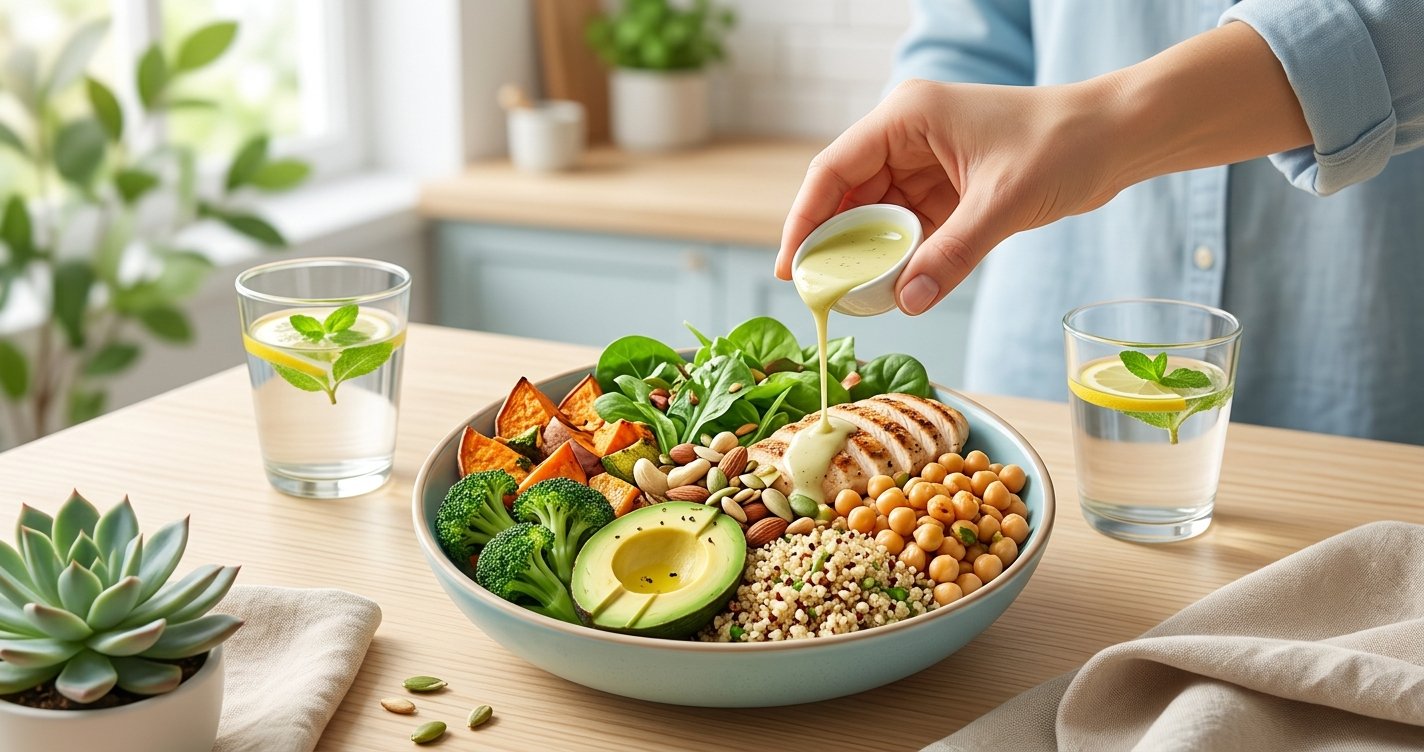
- Complex Carbs (Your Allies): These are rich in fiber and nutrients, digest slowly, and provide sustained energy. Think whole grains (oats, brown rice, quinoa, whole-wheat bread), fruits, and vegetables. Their fiber content also contributes to satiety and digestive health.
- Refined Carbs (Use Sparingly): These have been processed, stripped of fiber and nutrients, and tend to cause rapid spikes in blood sugar, leading to energy crashes and increased hunger. Examples include white bread, sugary cereals, pastries, and most processed snacks.
Focus on incorporating plenty of fiber-rich complex carbohydrates into your diet, especially around your workouts, to provide energy without the downsides of refined options. Portion control is also important, as even healthy carbs contain calories.
Fats: Essential for Health, Smart for Fat Loss
Just like carbohydrates, fats have been unfairly demonized in the past. Healthy fats are absolutely essential for hormone production, nutrient absorption, brain health, and even satiety. The trick is to distinguish between healthy and unhealthy fats, and to be mindful of portion sizes, as fats are calorie-dense.
- Healthy Fats (Monounsaturated & Polyunsaturated): Found in avocados, nuts, seeds, olive oil, and fatty fish (like salmon). These fats support overall health and can contribute to feeling satisfied after meals.
- Saturated Fats: Found in red meat, butter, and full-fat dairy. Consume these in moderation.
- Trans Fats: Found in many processed foods and fried items. These should be avoided as they offer no health benefits and can be detrimental.
Don't be afraid of healthy fats, but remember that a small amount goes a long way. A drizzle of olive oil, a quarter of an avocado, or a small handful of nuts can add flavor, nutrients, and satiety without adding excessive calories.
Hydration Hero: Don't Forget Your Water!
Water might seem simple, but its role in fat loss and overall health is profound. Staying well-hydrated can:
- Boost Metabolism: Water is crucial for metabolic processes.
- Enhance Satiety: Sometimes, your body confuses thirst for hunger. Drinking water can help you feel fuller and prevent unnecessary snacking.
- Aid Digestion: Proper hydration keeps your digestive system running smoothly.
- Improve Energy Levels: Dehydration can lead to fatigue, which might make you less likely to be active.
Aim to drink plenty of water throughout the day. Keep a water bottle handy, and try adding a squeeze of lemon or cucumber for flavor if plain water isn't exciting enough for you.
Mindful Eating: Connecting with Your Body's Signals
Beyond what you eat, how you eat plays a massive role in sustainable fat loss. Mindful eating is about paying attention to your body's hunger and fullness cues, savoring your food, and understanding why you're eating.
In our fast-paced world, it's easy to eat distractedly – in front of the TV, while working, or on the go. This often leads to overeating because we're not truly present with our food. Mindful eating encourages you to:
- Eat slowly and chew thoroughly.
- Pay attention to the taste, texture, and smell of your food.
- Listen to your body's hunger and fullness signals. Stop when you're comfortably full, not stuffed.
- Avoid distractions during meals.
- Recognize emotional eating triggers (e.g., eating when bored, stressed, or sad).
Practicing mindfulness can transform your relationship with food, helping you make more intentional choices and enjoy your meals more.
Meal Planning & Prep: Your Secret Weapon for Success
The saying “failing to plan is planning to fail” holds especially true for nutrition. When you're busy or hungry, it's all too easy to grab convenient (and often less healthy) options. Meal planning and preparation remove this guesswork and make healthy eating effortless.
Simple Steps to Start Meal Prepping:
- Plan Your Week: Decide what you'll eat for main meals and snacks for the upcoming week.
- Grocery List: Create a detailed shopping list based on your plan.
- Batch Cook: Dedicate an hour or two on a weekend to cook larger portions of protein (chicken, lentils), grains (quinoa, brown rice), and chop vegetables.
- Portion & Store: Divide your cooked food into individual containers for grab-and-go meals throughout the week.
Having nutritious, ready-to-eat meals on hand is a game-changer for consistency and staying on track with your fat loss goals.
Embrace Consistency, Not Perfection
Sustainable fat loss isn't about being perfect 100% of the time. Life happens! There will be days when you indulge a little, or your meal prep goes awry. The key is consistency over time and getting back on track without guilt or shame. View these strategies not as temporary rules, but as tools to build a healthier, more balanced lifestyle.
Remember, this is a journey, not a race. Be patient with yourself, celebrate small victories, and focus on progress, not perfection. By adopting these friendly, evidence-based nutrition strategies, you're not just losing fat; you're building a foundation for lifelong health and well-being. You've got this!