Beyond Crash Diets: Your Sustainable Nutrition Blueprint for Lasting Fat Loss
Have you ever felt caught in the endless cycle of restrictive diets, quick fixes, and the inevitable rebound? You're not alone. The journey to fat loss is often painted with images of extreme deprivation and grueling workouts, leading many to believe that suffering is the only path to success. But what if there was a better way? A path that prioritizes your health, well-being, and long-term results over fleeting progress?
Welcome to the world of sustainable nutrition for fat loss. This isn't about eliminating entire food groups or following rigid meal plans that leave you feeling deprived. Instead, it's about building a robust, evidence-based framework that helps you understand your body, fuel it intelligently, and create habits that last a lifetime. Get ready to ditch the diet mentality and embrace a smarter, kinder, and ultimately more effective approach to achieving your fat loss goals. this excellent wellness product
Why Crash Diets Fail: The Cycle of Frustration
Before we dive into what works, let's briefly understand why so many traditional diets fall short. Crash diets often promise rapid weight loss by drastically cutting calories, eliminating specific foods, or relying on restrictive rules. While they might show initial results, they're rarely sustainable. Your body, designed for survival, perceives extreme restriction as a threat, slowing your metabolism, increasing hunger hormones, and making you feel sluggish and irritable. This inevitably leads to cravings, 'cheat days' that spiral, and ultimately, regaining the lost weight – often with a little extra. It's a frustrating, demotivating cycle that erodes your confidence and trust in your body.
The Foundation: Understanding Your Calorie Deficit (Without Obsession)
At its core, fat loss comes down to one fundamental principle: consuming fewer calories than your body expends. This is known as a calorie deficit. However, understanding this doesn't mean becoming obsessive about counting every single calorie. It's about awareness and making informed choices.
How to Estimate Your Daily Needs
Your Basal Metabolic Rate (BMR) is the calories your body burns at rest, and your Total Daily Energy Expenditure (TDEE) includes your BMR plus activity. Online calculators can give you a good starting estimate for your TDEE. To create a sustainable deficit, aim for 300-500 calories below your TDEE. This range allows for consistent fat loss (typically 0.5-1 pound per week) without triggering your body's survival mechanisms or leaving you feeling constantly hungry.
Small Changes, Big Impact
Instead of drastic cuts, think about small, consistent adjustments. Swapping sugary drinks for water, reducing portion sizes slightly, or choosing a leaner protein source can collectively create a meaningful deficit over time without feeling like a punishment.
Macronutrients Matter: Fueling Your Body for Fat Loss
Calories are important, but the quality and composition of those calories (your macronutrients: protein, carbohydrates, and fats) are equally crucial for satiety, energy, and muscle preservation during fat loss.
Protein: Your Satiety & Muscle Ally
Protein is king when it comes to fat loss. It's highly satiating, meaning it keeps you feeling fuller for longer, reducing overall calorie intake. Furthermore, it has a higher thermic effect of food (TEF), meaning your body burns more calories digesting it. Most importantly, adequate protein intake helps preserve lean muscle mass during a calorie deficit, which is vital because muscle burns more calories at rest than fat. Aim for 0.7-1 gram of protein per pound of body weight from sources like lean meats, poultry, fish, eggs, dairy, and legumes.
Carbohydrates: Friends, Not Foes (Choosing Wisely)
Carbohydrates have often been demonized, but they are your body's primary energy source. The key is choosing the right kind. Focus on complex carbohydrates rich in fiber, such as whole grains (oats, brown rice, quinoa), fruits, and vegetables. These provide sustained energy, aid digestion, and contribute to satiety. Limit refined carbohydrates like white bread, pastries, and sugary snacks, which offer little nutritional value and can lead to energy crashes and cravings.
Fats: Essential for Health and Hormones
Fats are crucial for hormone production, nutrient absorption, and overall health. While calorie-dense, healthy fats are essential. Incorporate sources like avocados, nuts, seeds, olive oil, and fatty fish (salmon, mackerel) into your diet in moderation. They contribute to satiety and provide vital nutrients. Aim for about 20-30% of your daily calories from healthy fats.
The Power of Whole Foods: Eating for Nourishment and Satiety
Moving away from processed foods and towards whole, unprocessed options is one of the most impactful changes you can make. Whole foods are naturally rich in vitamins, minerals, fiber, and water, offering maximum nutrition for fewer calories.
Fiber: The Unsung Hero of Weight Loss
Fiber-rich foods (fruits, vegetables, whole grains, legumes) are incredibly beneficial. Fiber adds bulk to your meals without adding significant calories, promoting feelings of fullness and aiding digestive health. It also helps stabilize blood sugar levels, preventing those dreaded energy spikes and crashes that lead to overeating.
Hydration: Simple Yet Crucial
Don't underestimate the power of water! Staying well-hydrated is essential for metabolic function, energy levels, and even satiety. Often, what we perceive as hunger is actually thirst. Aim to drink plenty of water throughout the day, especially before meals. It’s a simple habit with significant benefits for fat loss.
Mindful Eating: Rewiring Your Relationship with Food
Sustainable fat loss isn't just about what you eat, but also how you eat. Mindful eating practices can transform your relationship with food, helping you recognize true hunger and fullness cues.
Listen to Your Body's Cues
Before reaching for food, take a moment to check in with yourself. Are you truly hungry, or are you bored, stressed, or thirsty? Learning to distinguish between physical and emotional hunger is a powerful skill. Eat when you're moderately hungry, and stop when you're comfortably full, not stuffed.
Slow Down and Savor
Eating slowly allows your brain time to register that you've consumed food, giving your body's satiety signals a chance to kick in. Put your fork down between bites, chew thoroughly, and truly taste your food. This enhances enjoyment and prevents overeating.
Practical Strategies for Sustainable Success
Knowledge is power, but application is where the magic happens. Here are some actionable strategies to integrate sustainable nutrition into your daily life.
Meal Planning & Preparation
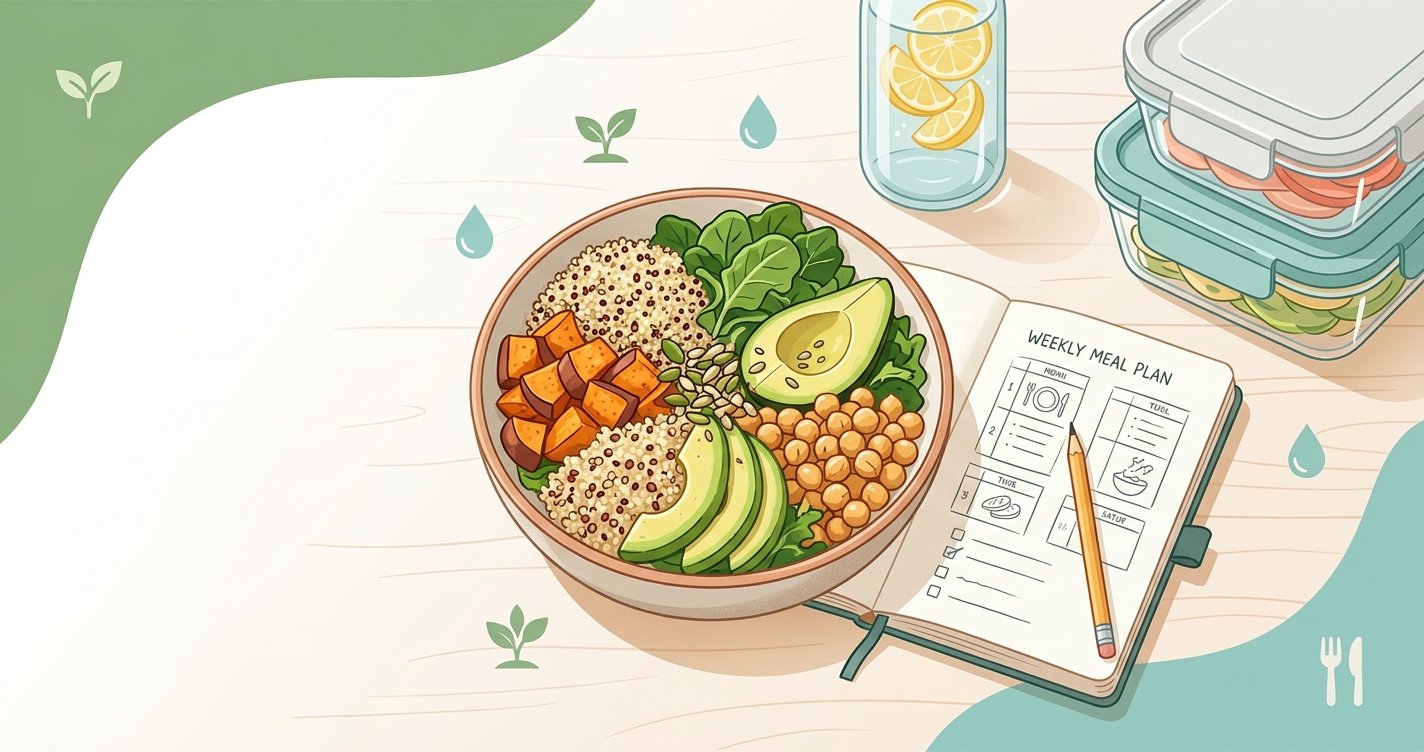
One of the biggest hurdles to healthy eating is lack of preparation. Dedicate some time each week to plan your meals and snacks. Prepare ingredients in advance (chopping veggies, cooking grains, portioning protein) or even cook entire meals. Having healthy options readily available dramatically reduces the likelihood of resorting to less healthy, convenient choices.
Smart Snacking
Snacks can be part of a healthy fat loss plan if chosen wisely. Opt for protein-rich or fiber-rich options like Greek yogurt with berries, a handful of almonds, an apple with peanut butter, or vegetable sticks with hummus. These help manage hunger between meals and prevent overeating at your next main meal.
Navigating Social Situations
Life happens! Don't let social gatherings derail your progress. Eat a small, protein-rich snack before you go to take the edge off your hunger. Choose wisely at buffets (focus on lean protein and veggies), and be mindful of alcohol consumption, as liquid calories add up quickly. Remember, one meal won't undo your progress, but consistent overindulgence will.
Consistency Over Perfection
No one is perfect, and expecting perfection is a recipe for failure. There will be days when you deviate from your plan, and that's okay. The key is to get back on track with your very next meal. Focus on consistency over time rather than striving for an unattainable ideal. Every healthy choice is a step forward.
Beyond the Plate: Lifestyle Factors Supporting Fat Loss
While nutrition is paramount, remember that it's part of a larger picture. Adequate sleep (7-9 hours), stress management, and regular physical activity (including strength training and cardio) all play crucial roles in supporting your metabolic health and accelerating fat loss. Address these areas in conjunction with your nutrition efforts for comprehensive well-being.
Your Journey to Lasting Fat Loss Starts Now
Embracing sustainable nutrition for fat loss is a journey, not a destination. It requires patience, self-compassion, and a willingness to learn and adapt. By focusing on whole foods, adequate protein, mindful eating, and consistent, small changes, you're not just losing weight – you're building a healthier, stronger, and more confident you. Ditch the quick fixes and commit to a lifestyle that truly nourishes your body and mind. You've got this!