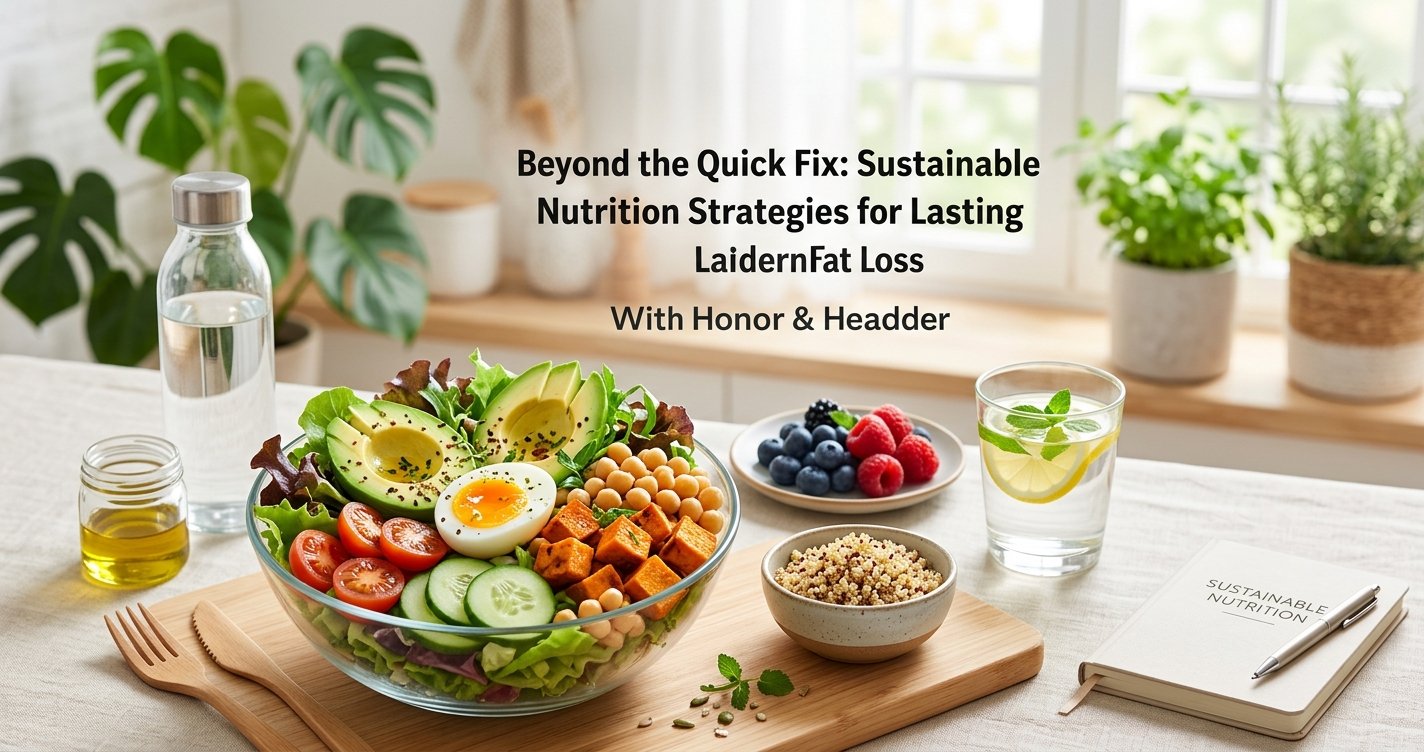
Are you tired of the endless cycle of restrictive diets, quick fixes, and the inevitable rebound? Many people embark on a fat loss journey with enthusiasm, only to find themselves frustrated by unsustainable plans that leave them feeling deprived and defeated. The truth is, lasting fat loss isn't about deprivation; it's about building sustainable habits that nourish your body and support your goals for the long haul.
This comprehensive guide will steer you away from the pitfalls of temporary solutions and empower you with evidence-based nutrition strategies for sustainable fat loss. We're talking about real food, balanced eating, and a healthy relationship with your plate – a blueprint for a healthier, happier you that lasts far beyond any fad diet's expiry date. Ready to ditch the diet mentality and embrace a lifestyle that truly works? this excellent wellness product
Why Fad Diets Fail (And What Works Instead)
Before we dive into what does work, let's quickly understand why so many popular fad diets often lead to short-term results followed by long-term frustration. Extreme calorie restriction, eliminating entire food groups, or relying on costly supplements might offer rapid initial weight loss. However, these approaches are rarely sustainable because they:
- Are too restrictive: They create feelings of deprivation, making adherence difficult and leading to eventual binges.
- Lack essential nutrients: Cutting out major food groups can lead to deficiencies, impacting energy levels, mood, and overall health.
- Don't teach healthy habits: They often provide a rigid plan without educating you on how to make balanced choices in the real world.
- Are not enjoyable: Food should be a source of pleasure and nourishment, not a constant battle.
What works instead? A flexible, balanced, and evidence-based approach that focuses on whole foods, understands your body's needs, and integrates seamlessly into your life. It's about making small, consistent changes that accumulate into significant, lasting results.
The Foundation: Understanding Your Caloric Intake
At its core, fat loss boils down to one fundamental principle: consuming fewer calories than your body expends. This creates a caloric deficit. While it sounds simple, understanding how to achieve this sustainably is key.
- Estimating Your Needs: Your body burns calories just to exist (Basal Metabolic Rate or BMR) and additional calories through daily activities and exercise (Total Daily Energy Expenditure or TDEE). Online calculators can provide a rough estimate of your TDEE based on your age, weight, height, and activity level.
- Creating a Deficit: Once you have an estimate, aim for a moderate deficit of 300-500 calories per day. This allows for steady, sustainable fat loss (typically 1-2 pounds per week) without feeling overly deprived or sacrificing muscle mass.
- Adjusting as You Go: Your body adapts! As you lose weight, your TDEE will decrease. Be prepared to re-evaluate your caloric needs and adjust your intake every few weeks or months to continue seeing progress. Listen to your body and pay attention to energy levels and hunger cues.
Remember, this isn't about precise counting forever, but about building an awareness of what you're consuming and how it impacts your body.
Macronutrients: Fueling Your Body for Fat Loss
While total calories are important, the composition of those calories – your macronutrients (protein, carbohydrates, and fats) – plays a crucial role in satiety, energy, and muscle preservation during fat loss.
Protein: Your Fat Loss Powerhouse
Protein is arguably the most critical macronutrient for fat loss. Here's why:
- Satiety: Protein is incredibly filling, helping you feel fuller for longer and reducing overall calorie intake.
- Muscle Preservation: When you're in a caloric deficit, your body can break down muscle tissue for energy. Adequate protein intake helps preserve lean muscle mass, which is vital for maintaining a healthy metabolism.
- Thermogenic Effect: Protein requires more energy to digest and metabolize than carbs or fats, slightly boosting your calorie expenditure.
Aim for: 0.7-1 gram of protein per pound of body weight (or target body weight) daily. Include a lean protein source (chicken breast, fish, lean beef, eggs, tofu, lentils, Greek yogurt) at every meal.
Carbohydrates: Not the Enemy!
Carbohydrates have often been demonized, but they are your body's preferred energy source. The key is choosing the right kind:
- Complex Carbs: Focus on whole grains (oats, quinoa, brown rice), fruits, and vegetables. These are rich in fiber, which aids digestion, promotes satiety, and stabilizes blood sugar levels.
- Energy and Performance: Adequate carbohydrates ensure you have the energy for workouts and daily activities, preventing fatigue and supporting consistent effort.
Aim for: 30-40% of your daily calories from high-quality, complex carbohydrates. Limit highly processed sugars and refined grains, which offer little nutritional value and can spike blood sugar.
Healthy Fats: Essential for Hormones and Health
Fats are calorie-dense but absolutely essential for hormone production, nutrient absorption, and overall health. Don't fear them!
- Satiety: Healthy fats contribute to satiety, helping you feel satisfied after meals.
- Nutrient Absorption: They help your body absorb fat-soluble vitamins (A, D, E, K).
- Hormone Regulation: Adequate fat intake is crucial for maintaining hormonal balance, which is important for mood, energy, and metabolism.
Aim for: 20-30% of your daily calories from healthy fats like avocados, nuts, seeds, olive oil, and fatty fish (salmon). Avoid trans fats and limit excessive saturated fats.
Practical Strategies for Sustainable Eating
Knowing your macros is one thing; putting it into practice consistently is another. Here are actionable strategies to make sustainable eating a reality:
Portion Control & Mindful Eating
Understanding appropriate portion sizes is critical, especially as our perception of what constitutes a 'normal' portion has grown. Use measuring cups, a food scale, or even your hand as a guide (e.g., palm-sized protein, cupped hand for carbs, thumb-sized fat).
Mindful eating means paying attention to your food, savoring each bite, and listening to your body's hunger and fullness cues. Eat slowly, without distractions, and stop when you're comfortably full, not stuffed.
Meal Prepping & Planning
Failing to plan is planning to fail. Dedicate some time each week to:
- Plan your meals: Decide what you'll eat for breakfasts, lunches, and dinners.
- Grocery shop strategically: Buy only what you need for your planned meals to avoid impulse purchases of unhealthy items.
- Prep in advance: Cook large batches of protein, chop vegetables, or assemble snacks so healthy options are readily available when hunger strikes.
This reduces decision fatigue and the likelihood of reaching for convenient, often less healthy, options.
Hydration Matters
Often overlooked, adequate water intake is vital for fat loss. Water can help you feel full, aids metabolism, and helps your body function optimally. Aim for at least 8 glasses (about 2 liters) of water daily, and more if you're active.
Smart Snacking & Dealing with Cravings
Snacks aren't inherently bad, but they should be purposeful. Choose snacks that are protein-rich and fiber-rich to keep you full and satisfied, like Greek yogurt with berries, an apple with a handful of almonds, or vegetable sticks with hummus.
When cravings hit, first, drink a glass of water – sometimes thirst is mistaken for hunger. If the craving persists, try to have a small, controlled portion of what you're craving, rather than restricting it entirely and potentially leading to a binge. Balance and moderation are key.
Beyond the Plate: Lifestyle Factors Supporting Nutrition
While nutrition is paramount, sustainable fat loss is a holistic endeavor. Other lifestyle factors significantly impact your body's ability to shed fat and maintain a healthy weight:
- Adequate Sleep: Poor sleep disrupts hormones that regulate hunger (ghrelin) and satiety (leptin), making you hungrier and more prone to cravings. Aim for 7-9 hours of quality sleep per night.
- Stress Management: Chronic stress elevates cortisol levels, which can promote fat storage, especially around the midsection. Incorporate stress-reducing activities like meditation, yoga, or spending time in nature.
- Regular Physical Activity: While you can't out-train a bad diet, exercise complements nutrition perfectly. Strength training builds muscle, boosting your metabolism, while cardiovascular exercise burns calories and improves heart health. Find activities you enjoy and make them a consistent part of your routine.
Putting It All Together: Your Sustainable Fat Loss Journey
Embarking on a sustainable fat loss journey is not about perfection; it's about consistency and progress. There will be days when you deviate from your plan, and that's okay. The key is to learn from those moments, get back on track, and not let a single slip derail your entire effort.
Focus on making small, manageable changes that you can stick with for life. Celebrate your non-scale victories – increased energy, better sleep, stronger workouts, improved mood, and a healthier relationship with food. These are the true indicators of success.
Remember, this is your journey. Educate yourself, experiment to find what works best for your body and lifestyle, and most importantly, be patient and kind to yourself. Sustainable fat loss isn't a race; it's a marathon towards a healthier, happier you.