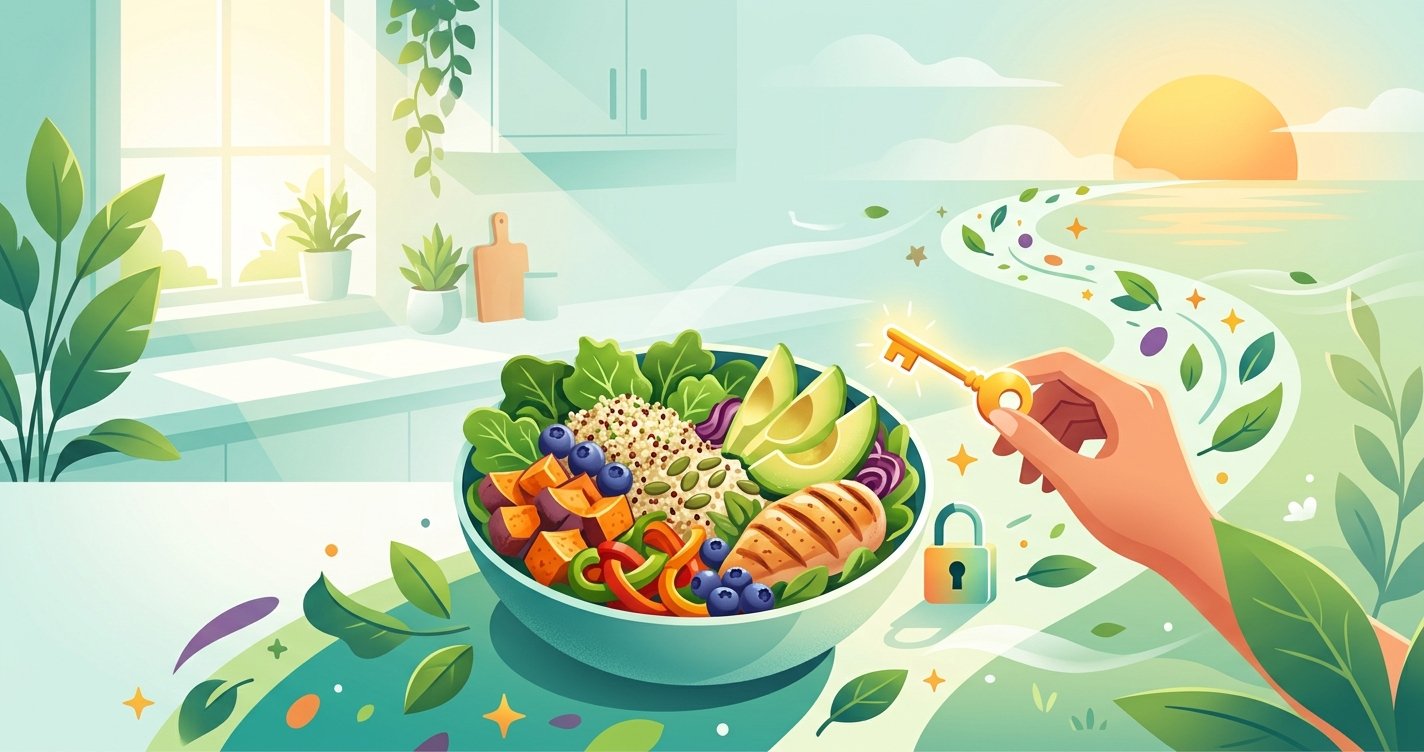
In a world overflowing with quick fixes, fad diets, and detox teas promising instant results, it's easy to get lost in the noise when you're trying to achieve fat loss. We've all seen the headlines: 'Lose 10 pounds in 3 days!' or 'The secret diet celebrities swear by!' But if you've ever embarked on one of these rapid weight loss journeys, you likely know the disheartening truth: the weight often creeps back, sometimes bringing friends. This isn't a failure on your part; it's a testament to the unsustainable nature of extreme approaches.
True, lasting fat loss isn't about deprivation or a race to the finish line. It's about building a foundation of healthy, enjoyable, and sustainable nutrition habits that support your body, mind, and long-term well-being. This isn't just about fitting into a smaller size; it's about cultivating vitality, energy, and a positive relationship with food. Ready to ditch the diet merry-go-round and embrace a path that truly works? Let's dive into evidence-based strategies for sustainable nutrition. this excellent wellness product
Why Quick Fixes Fail: Understanding the Yo-Yo Effect
The allure of rapid fat loss is powerful, but these methods often come with a hidden cost: metabolic adaptation and the dreaded yo-yo effect. When you drastically cut calories, your body, in its wisdom, perceives this as a famine. It responds by slowing down your metabolism to conserve energy, increasing hunger hormones, and making it harder to burn fat. While you might lose weight initially (often water and muscle, not just fat), maintaining such a restrictive diet is incredibly challenging.
Once you inevitably return to more normal eating patterns, your slowed metabolism is less efficient at burning calories, leading to weight regain—and often, more body fat than before. This cycle is not only physically taxing but also emotionally draining, fostering a sense of failure and making future attempts even harder. Our goal isn't to trick your body; it's to nourish it consistently and strategically for gradual, sustainable fat loss.
The Cornerstone: Calorie Awareness, Not Calorie Obsession
At its core, fat loss boils down to a simple principle: consuming fewer calories than your body expends. This is known as a calorie deficit. While the concept is simple, the execution doesn't have to be obsessive. Understanding your approximate daily calorie needs (your Total Daily Energy Expenditure, or TDEE) and aiming for a moderate deficit (typically 300-500 calories below maintenance) is a fantastic starting point.
You don't need to track every single morsel for the rest of your life. Initial tracking can be incredibly insightful, helping you learn portion sizes, understand the caloric density of foods, and identify where extra calories might be sneaking into your diet. Once you've gained this awareness, you can transition to more intuitive eating, guided by your newfound knowledge. Focus on whole, unprocessed foods, which tend to be lower in calories and higher in nutrients, naturally making it easier to create a deficit without feeling deprived.
Macronutrients Matter: Fueling Your Body for Fat Loss
While total calories are paramount, the composition of those calories—your macronutrients (protein, carbohydrates, and fats)—plays a crucial role in satiety, muscle preservation, and energy levels during your fat loss journey.
- Protein: Your Best Friend for Fat Loss. Protein is king when it comes to sustainable fat loss. It's highly satiating, meaning it keeps you feeling full for longer, reducing the urge to snack. Furthermore, protein has a higher thermic effect of food (TEF) than carbs or fats, meaning your body burns more calories digesting it. Crucially, adequate protein intake helps preserve lean muscle mass during a calorie deficit, which is vital for maintaining a healthy metabolism. Aim for 0.7-1 gram of protein per pound of body weight daily. Think lean meats, poultry, fish, eggs, dairy, legumes, and protein supplements.
- Healthy Fats: Essential for Hormones and Satiety. Don't fear fats! Healthy fats are essential for hormone production, nutrient absorption, and overall health. They also contribute to satiety. Focus on unsaturated fats found in avocados, nuts, seeds, olive oil, and fatty fish like salmon. Moderation is key, as fats are calorie-dense.
- Complex Carbohydrates: Energy and Fiber. Carbohydrates provide your body with energy. Opt for complex carbohydrates like whole grains (oats, quinoa, brown rice), fruits, and vegetables. These sources are rich in fiber, which aids digestion, promotes fullness, and helps stabilize blood sugar levels, preventing energy crashes and cravings. Limit refined sugars and highly processed carbs, which offer little nutritional value and can lead to energy spikes and subsequent dips.
Beyond the Plate: Building Sustainable Habits
Sustainable fat loss extends far beyond simply what you eat; it encompasses how you eat and the habits you cultivate around food. These often overlooked aspects are the bedrock of long-term success.
- Mindful Eating: Savor Every Bite. Slow down and truly experience your meals. Pay attention to hunger and fullness cues. Are you eating out of boredom, stress, or genuine hunger? Mindful eating helps you recognize these triggers and develop a healthier relationship with food, preventing overeating.
- Portion Control: A Visual Guide. Understanding appropriate portion sizes is critical. Use smaller plates, measure out calorie-dense foods initially, and learn to eyeball portions. For example, a serving of protein is roughly the size of your palm, healthy fats about your thumb, and complex carbs about your cupped hand.
- Hydration: The Unsung Hero. Water is essential for countless bodily functions, including metabolism. Drinking enough water can also help you feel fuller, sometimes preventing you from mistaking thirst for hunger. Aim for at least 8 glasses of water daily.
- Meal Prepping: Plan for Success. Preparing meals and snacks in advance can be a game-changer. It reduces the likelihood of impulse eating or resorting to unhealthy takeout options when hunger strikes and you're short on time.
- Cooking at Home: Take Control. When you cook your own meals, you have complete control over the ingredients, portion sizes, and cooking methods, making it much easier to align with your fat loss goals.
Navigating Challenges: Cravings, Plateaus, and Social Eating
No fat loss journey is perfectly linear. You'll encounter cravings, plateaus where progress seems to stall, and social situations that test your resolve. This is normal, and having strategies in place is key.
- Dealing with Cravings: Acknowledge, Don't Suppress. Cravings are often temporary. Try drinking a glass of water, engaging in a distracting activity, or waiting 15-20 minutes. If the craving persists, consider a small, controlled portion of the desired food, rather than feeling deprived and potentially binging later. Sometimes, cravings signal a nutrient deficiency, so ensure your diet is balanced.
- Breaking Through Plateaus: Reassess and Adjust. Plateaus are a natural part of the process. When they occur, don't panic. Reassess your current habits: are you still in a calorie deficit? Has your activity level changed? Sometimes, a slight adjustment to your calorie intake, a change in workout routine, or even a 'refeed day' (a temporary increase in calories) can kickstart progress again.
- Social Eating: Plan Ahead. Social events can be tricky. Offer to bring a healthy dish, eat a small, protein-rich snack before you go, or decide beforehand what you'll enjoy in moderation. Remember, one meal won't derail your progress, but consistent overindulgence will. Focus on enjoying the company more than the food.
The Power of Patience and Consistency: Redefining "Success"
Perhaps the most crucial ingredient for sustainable fat loss is patience and unwavering consistency. This isn't a 12-week challenge; it's a lifestyle evolution. There will be good days and not-so-good days. The key is to get back on track without dwelling on minor setbacks.
Celebrate non-scale victories: increased energy, better sleep, improved mood, clothes fitting better, stronger workouts. These are powerful indicators of progress that often go unnoticed when we're fixated on the number on the scale. Embrace the process, learn from your experiences, and be kind to yourself. Sustainable fat loss isn't about perfection; it's about persistent progress and building habits you can maintain for life.
Your Journey to Lasting Fat Loss Starts Now
Embarking on a journey of sustainable nutrition for fat loss means investing in yourself—your health, your energy, and your future. It's about empowering yourself with knowledge, building consistent habits, and fostering a positive relationship with food. Forget the quick fixes; they only offer fleeting results. Instead, focus on gradual, evidence-based changes that will lead to lasting success and a healthier, happier you. Start small, stay consistent, and trust the process. Your body will thank you.