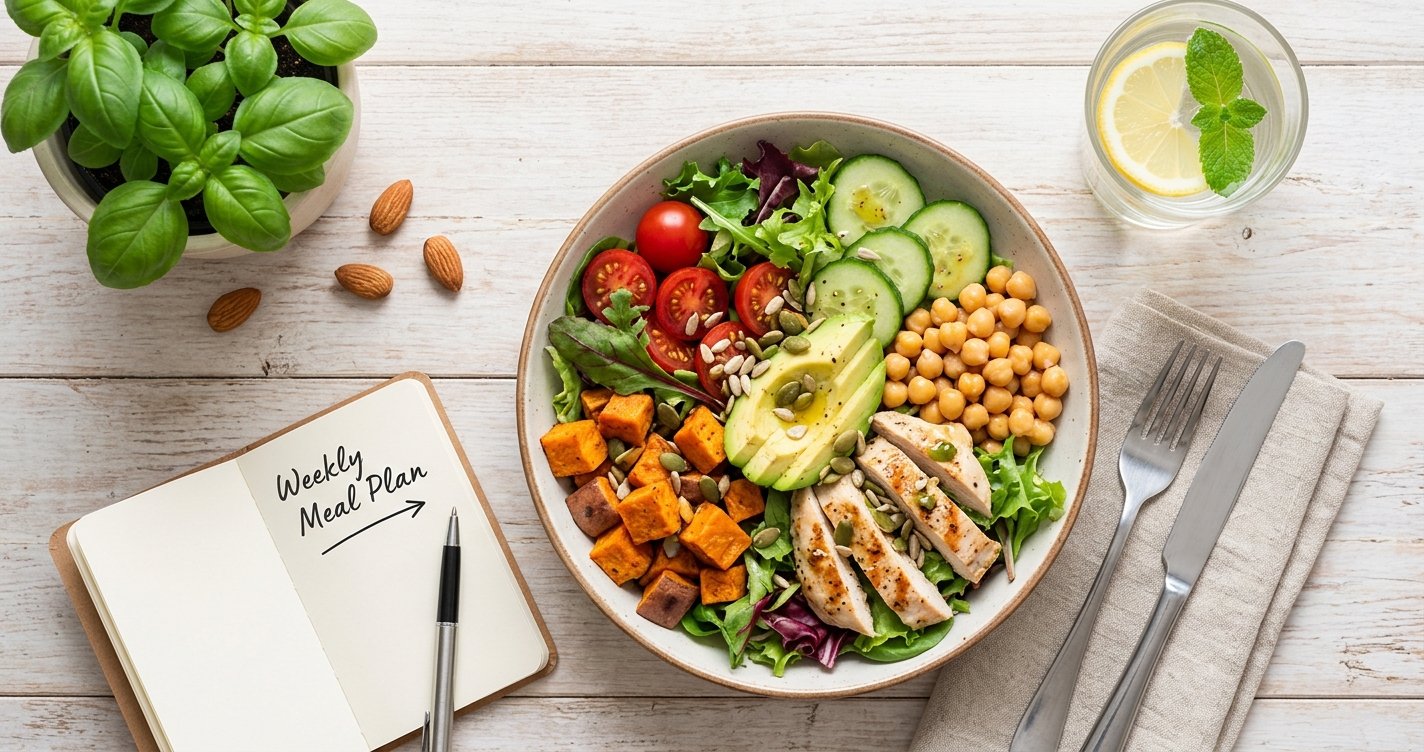
Are you tired of the endless cycle of restrictive diets, quick fixes, and the inevitable rebound? Many of us have been there, chasing the promise of rapid fat loss only to find ourselves frustrated and no closer to our long-term goals. The truth is, sustainable fat loss isn't about deprivation; it's about building healthy, enjoyable habits that nourish your body and mind. This isn't just another diet plan; it's a friendly, evidence-based roadmap to understanding how to fuel your body for lasting results, without feeling like you're constantly fighting an uphill battle.
In this guide, we'll explore the foundational principles of nutrition for fat loss, focusing on strategies that are not only effective but also enjoyable and maintainable for life. Say goodbye to the 'all-or-nothing' mindset and hello to a journey of consistent progress, improved energy, and a healthier relationship with food. Let's dive in and unlock the secrets to sustainable fat loss together! this excellent wellness product
Understanding the Foundation: Why "Dieting" Often Fails
Before we build new habits, it's crucial to understand why traditional, restrictive dieting often falls short. While the basic principle of fat loss—consuming fewer calories than you burn (a calorie deficit)—is non-negotiable, the way we approach it makes all the difference.
The Calorie Deficit: The Non-Negotiable Truth
At its core, fat loss occurs when your body uses stored fat for energy because it's not getting enough from the food you eat. This is the calorie deficit. However, the exact number isn't a fixed target; it's a dynamic range that depends on your activity level, metabolism, and individual needs. Instead of obsessing over precise numbers, focus on creating a moderate, consistent deficit that feels manageable.
The Pitfalls of Extreme Restriction
Many popular diets advocate for drastic calorie cuts or eliminating entire food groups. While these might lead to rapid initial weight loss, they often trigger a cascade of negative effects:
- Metabolic Adaptation: Your body is smart. When faced with severe restriction, it can slow down your metabolism to conserve energy, making further fat loss harder.
- Nutrient Deficiencies: Cutting out too many foods can lead to a lack of essential vitamins and minerals, impacting your energy, mood, and overall health.
- Psychological Impact: Constant hunger, cravings, and the feeling of deprivation can lead to binge eating, a poor relationship with food, and ultimately, giving up.
- Muscle Loss: Without adequate protein and resistance training, rapid weight loss often includes losing valuable muscle mass, which further slows your metabolism.
Our goal is to create a deficit that is sustainable, allows for adequate nutrient intake, and supports your overall well-being.
Fueling Your Body Right: Macronutrients for Fat Loss
Macronutrients—protein, carbohydrates, and fats—are the building blocks of your diet, each playing a vital role in energy, satiety, and body composition. Understanding how to balance them is key to effective and sustainable fat loss.
Protein: Your Satiety and Muscle Ally
Protein is arguably the most crucial macronutrient for fat loss. It helps you feel fuller for longer, reducing overall calorie intake, and it's essential for preserving and building muscle mass. More muscle means a higher resting metabolism, burning more calories even at rest.
- Aim For: About 0.7-1 gram of protein per pound of body weight (or target body weight) daily.
- Sources: Lean meats (chicken, turkey, beef), fish, eggs, dairy (Greek yogurt, cottage cheese), legumes, tofu, tempeh, protein powder.
Healthy Fats: Essential for Hormones and Fullness
Don't fear fats! Healthy fats are vital for hormone production, nutrient absorption, and long-term satiety. While calorie-dense, incorporating them in moderation can prevent cravings and keep you feeling satisfied.
- Aim For: About 20-30% of your daily calories from healthy fats.
- Sources: Avocados, nuts, seeds, olive oil, fatty fish (salmon, mackerel).
Smart Carbohydrates: Energy Without the Crash
Carbohydrates are your body's primary energy source. The key is choosing the right kind. Opt for complex, fiber-rich carbohydrates over refined sugars to maintain stable blood sugar levels, prevent energy crashes, and promote digestive health.
- Aim For: The remainder of your calories, focusing on whole, unprocessed sources.
- Sources: Whole grains (oats, brown rice, quinoa), fruits, vegetables, sweet potatoes.
The Power of Mindful Eating and Portion Control
Beyond what you eat, how you eat plays a huge role in fat loss and a healthy relationship with food. Mindful eating is about paying attention to your body's signals and the experience of eating, rather than just consuming food passively.
Tuning Into Your Body's Signals
Learning to recognize genuine hunger and fullness cues is a game-changer. Often, we eat out of habit, boredom, or stress, rather than true physical hunger. Before you eat, ask yourself: Am I truly hungry? During your meal, eat slowly, savor each bite, and stop when you feel comfortably satisfied, not stuffed.
Practical Portion Control Tips
You don't always need to weigh and measure everything. Here are some simple visual cues for portion control:
- Protein: A serving size is roughly the size of your palm.
- Vegetables: Aim for two cupped hands full.
- Carbohydrates (grains/starches): About the size of your clenched fist.
- Fats (nuts/oils): A thumb-sized portion.
- Use smaller plates to make your meals look more substantial.
- Drink a glass of water before meals to help with satiety.
Hydration and Nutrient Density: Small Changes, Big Impact
Two often-overlooked components of sustainable fat loss are adequate hydration and prioritizing nutrient-dense foods. These simple habits can significantly boost your progress.
Water: Often Overlooked, Always Essential
Staying well-hydrated is crucial for countless bodily functions, including metabolism. Sometimes, your body can confuse thirst for hunger, leading to unnecessary snacking. Drinking plenty of water can help with satiety, energy levels, and even aid in proper digestion.
- Aim For: At least 8-10 glasses (2-3 liters) of water daily. Increase if you're active or in a hot climate.
Prioritizing Whole, Unprocessed Foods
Nutrient density refers to the amount of vitamins, minerals, fiber, and other beneficial compounds in a food relative to its calorie content. Whole foods—fruits, vegetables, lean proteins, whole grains—are packed with nutrients and fiber, which keeps you fuller longer and provides essential nourishment. Processed foods, on the other hand, are often calorie-dense but nutrient-poor, contributing to overeating and sluggishness.
Building Sustainable Habits: Consistency Over Perfection
The journey to lasting fat loss isn't about being perfect; it's about being consistent and kind to yourself. Building sustainable habits means creating a lifestyle you can maintain, not a temporary diet you'll eventually abandon.
Meal Planning and Preparation: Your Secret Weapon
Taking time to plan your meals and snacks for the week can dramatically improve your consistency. When healthy options are readily available, you're less likely to reach for convenient, less nutritious choices. This doesn't mean gourmet cooking every night; simple, repeatable meals work best.
Flexibility and The 80/20 Rule
Embrace the 80/20 rule: aim to eat nutritiously 80% of the time, allowing for flexibility and occasional treats 20% of the time. This approach prevents feelings of deprivation, makes your eating plan more enjoyable, and is far more sustainable than strict adherence that often leads to burnout. Life happens, and it's okay to indulge sometimes; just get back on track with your healthy habits afterward.
Tracking Progress Beyond The Scale
While the scale can be a useful tool, it doesn't tell the whole story. Muscle gain, water retention, and hormonal fluctuations can all obscure true fat loss. Look for other indicators of progress:
- How your clothes fit: Are they looser?
- Measurements: Track inches lost from your waist, hips, and other areas.
- Energy levels: Do you feel more vibrant and energetic?
- Strength and performance: Are you getting stronger in your workouts?
- Mood and sleep: Are you feeling better emotionally and sleeping more soundly?
Your Journey to Lasting Health Begins Now
Sustainable fat loss isn't a race; it's a marathon of consistent, mindful choices. By focusing on nutrient-dense foods, balancing your macronutrients, practicing mindful eating, and building flexible habits, you're not just losing weight; you're building a healthier, more resilient you. Be patient with yourself, celebrate small victories, and remember that every healthy choice is a step towards a happier, more energetic future. You've got this!