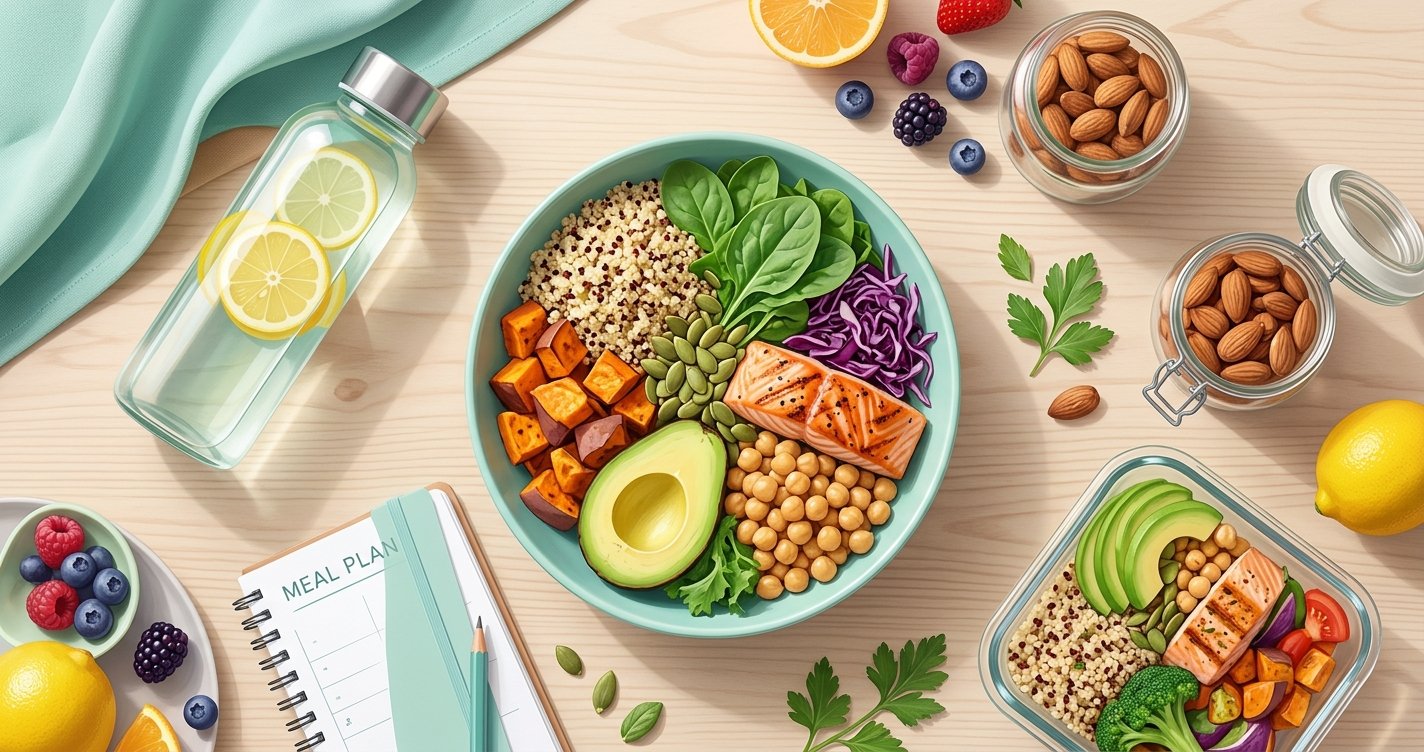
Fueling Your Fat Loss Journey: Sustainable Nutrition Strategies That Actually Work
Are you tired of the endless cycle of fad diets, restrictive eating, and the frustration of unsustainable weight loss? You're not alone. Many people embark on a fat loss journey with enthusiasm, only to be met with disappointment when the initial results fade, and old habits creep back in. The truth is, sustainable fat loss isn't about deprivation; it's about intelligent, evidence-based nutrition that nourishes your body, satisfies your cravings, and fits seamlessly into your life.
This isn't another quick-fix guide. Instead, we're going to explore powerful, long-term nutrition strategies that focus on building healthy habits, understanding your body, and enjoying your food. By the end of this post, you'll have a clear roadmap to fuel your body effectively, achieve your fat loss goals, and maintain them for good. this excellent wellness product
Understanding the Calorie Deficit (Without Obsession)
At its core, fat loss comes down to one fundamental principle: consuming fewer calories than your body expends. This is known as a calorie deficit. While this might sound daunting or like it requires meticulous tracking, it doesn't have to. The goal isn't starvation; it's a slight, consistent deficit that encourages your body to tap into its stored fat reserves for energy.
The beauty of focusing on whole, nutrient-dense foods is that they naturally help you achieve this deficit without feeling deprived. Think about it: a handful of almonds is more satisfying than a handful of potato chips, even if they have similar calorie counts, because the almonds provide fiber, protein, and healthy fats that promote satiety. By prioritizing quality over quantity (though quantity still matters!), you can create a sustainable deficit without constant hunger or calorie counting apps dominating your life.
- Focus on Whole Foods: Prioritize fruits, vegetables, lean proteins, and whole grains. These are generally lower in calories and higher in nutrients.
- Portion Awareness: Learn what a healthy portion looks like for different food groups. You don't need to weigh everything, but a general understanding helps.
- Listen to Your Body: Eat when you're hungry, stop when you're comfortably full. This intuitive approach can be incredibly effective.
The Power of Protein: Your Satiety Ally
If there's one macronutrient that deserves a spotlight in your fat loss journey, it's protein. Protein is a powerhouse for several reasons:
- Satiety: Protein is incredibly satiating, meaning it helps you feel fuller for longer. This reduces the likelihood of overeating or snacking on unhealthy foods between meals.
- Muscle Preservation: When you're in a calorie deficit, your body can sometimes break down muscle tissue for energy. Adequate protein intake helps preserve lean muscle mass, which is crucial because muscle burns more calories at rest than fat does.
- Thermic Effect of Food (TEF): Protein has a higher TEF than carbohydrates or fats. This means your body expends more energy (calories) digesting and metabolizing protein than it does other macronutrients.
Aim to include a lean protein source with every meal. Think chicken breast, fish, eggs, Greek yogurt, lentils, beans, or tofu.
Fiber-Rich Foods: The Unsung Heroes of Fat Loss
Fiber is another critical component of a successful fat loss diet, often overlooked. It's found primarily in plant-based foods and offers a wealth of benefits:
- Increased Fullness: Like protein, fiber adds bulk to your meals, helping you feel satisfied and reducing overall calorie intake.
- Improved Digestion: Fiber aids in healthy digestion and can prevent constipation, a common issue when making dietary changes.
- Blood Sugar Regulation: Soluble fiber, in particular, helps slow down the absorption of sugar into your bloodstream, preventing spikes and crashes that can lead to cravings and overeating.
Load up on fruits (especially berries), vegetables (leafy greens, broccoli, carrots), whole grains (oats, quinoa, brown rice), and legumes (beans, lentils, chickpeas) to naturally boost your fiber intake.
Healthy Fats: Don't Fear the Good Stuff
For years, fat was demonized, leading many to believe that all fats contribute to weight gain. However, healthy fats are essential for overall health and play a vital role in fat loss. They are crucial for hormone production, nutrient absorption, and provide long-lasting satiety.
The key is to differentiate between healthy fats (monounsaturated and polyunsaturated fats) and unhealthy fats (trans fats and excessive saturated fats). While healthy fats are calorie-dense, they contribute to satiety and overall well-being. Incorporating them in moderation can prevent cravings and keep you feeling satisfied.
- Sources of Healthy Fats: Avocados, nuts (almonds, walnuts), seeds (chia, flax, pumpkin), olive oil, fatty fish (salmon, mackerel).
- Portion Control: Remember that even healthy fats are high in calories, so be mindful of portion sizes. A small handful of nuts or a drizzle of olive oil is usually sufficient.
Hydration: Simple Yet Profound
It sounds almost too simple, but staying adequately hydrated is a surprisingly powerful tool for fat loss. Often, our bodies confuse thirst signals with hunger, leading us to reach for snacks when all we really need is a glass of water.
Water also plays a crucial role in metabolic processes, nutrient transport, and helps your body function optimally. Drinking water before meals can also help fill you up, reducing the amount of food you consume.
- Aim for 8-10 Glasses: While individual needs vary, a general guideline is to drink around 8-10 glasses (about 2-2.5 liters) of water per day.
- Carry a Water Bottle: Keep a reusable water bottle with you throughout the day as a constant reminder to sip.
- Flavor It Up: If plain water bores you, add slices of lemon, cucumber, mint, or berries for a refreshing twist.
Mindful Eating: Reconnecting with Your Body
Beyond *what* you eat, *how* you eat can significantly impact your fat loss journey. Mindful eating is about paying attention to your food, your body's hunger and fullness cues, and the experience of eating. In our fast-paced world, it's easy to eat while distracted (watching TV, working, scrolling on your phone), leading to overconsumption and a disconnect from our body's signals.
Practicing mindful eating can help you:
- Recognize True Hunger: Distinguish between physical hunger and emotional hunger or cravings.
- Savor Your Food: Enjoy the taste, texture, and aroma of your meals, which can increase satisfaction.
- Stop When Satisfied: Learn to recognize when you're comfortably full, not stuffed, and put down your fork.
Try eating slowly, chewing thoroughly, and putting your fork down between bites. Eliminate distractions during meal times and truly focus on the act of eating.
Meal Planning & Preparation: Your Roadmap to Success
Failing to plan is planning to fail, especially when it comes to nutrition. When you have healthy meals and snacks ready to go, you're far less likely to succumb to convenience foods, takeout, or unhealthy impulse purchases.
Meal planning doesn't have to be complicated. It can be as simple as dedicating an hour or two each week to:
- Planning Your Meals: Decide what you'll eat for breakfast, lunch, dinner, and snacks for the upcoming week.
- Creating a Grocery List: Shop with a list to avoid impulse buys and ensure you have all the ingredients you need.
- Batch Cooking: Prepare larger portions of components like cooked grains, roasted vegetables, or lean protein sources that can be mixed and matched throughout the week.
- Smart Snacking: Have healthy snacks like fruit, nuts, yogurt, or chopped veggies readily available.
This proactive approach significantly reduces decision fatigue and helps you stay consistent with your healthy eating habits.
Consistency Over Perfection: The Long Game
Finally, and perhaps most importantly, remember that fat loss is a journey, not a sprint. There will be days when you make less-than-ideal food choices, social events where you indulge, or simply feel off track. This is completely normal! The key is not to let a single slip-up derail your entire progress.
Focus on consistency over perfection. One unhealthy meal or day won't undo weeks of effort, just as one healthy meal won't magically transform your body. It's the cumulative effect of consistent, positive choices that leads to lasting results. Learn from your experiences, forgive yourself, and get back on track with your next meal.
Celebrate your small victories, acknowledge your progress, and be patient with yourself. Sustainable fat loss is about building a lifestyle you can maintain and enjoy, not punishing yourself into a smaller size.
Embrace Your Sustainable Fat Loss Journey
Achieving sustainable fat loss isn't about chasing the latest diet trend or enduring endless hunger. It's about empowering yourself with knowledge, making informed choices, and building habits that support your body and your goals for the long run. By focusing on a gentle calorie deficit, prioritizing protein and fiber, embracing healthy fats, staying hydrated, practicing mindful eating, and planning your meals, you're setting yourself up for success.
Remember, this is your unique journey. Start small, implement one or two strategies at a time, and listen to what works best for your body. Be patient, be persistent, and most importantly, be kind to yourself. Which sustainable nutrition strategy will you integrate into your life first?