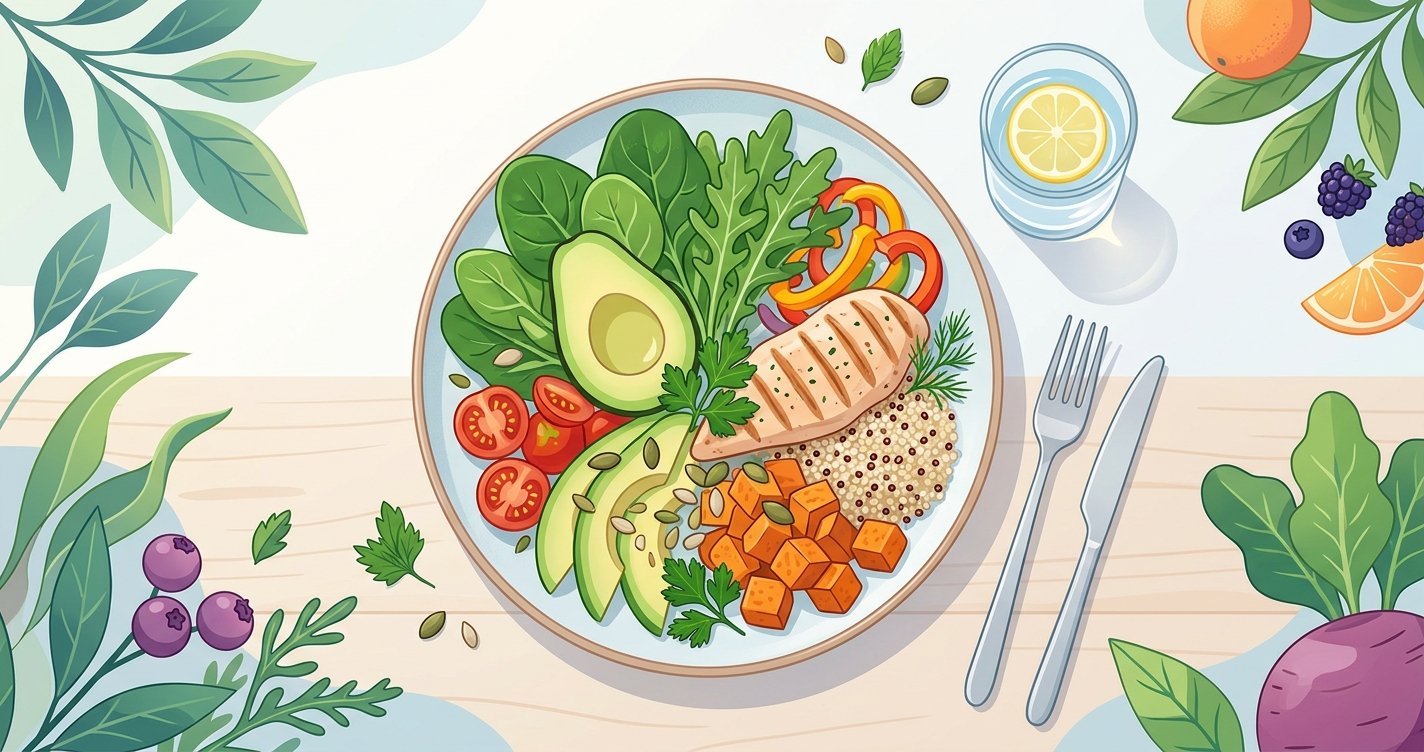
Tired of diet fads that promise the world but deliver only frustration? You're not alone. The journey to fat loss can often feel like a complicated maze, filled with conflicting advice and unsustainable restrictions. But what if we told you that achieving your fat loss goals doesn't have to mean drastic deprivation or an endless cycle of 'on-and-off' dieting? It’s true!
The secret lies not in quick fixes, but in adopting sustainable nutrition strategies that nourish your body, keep you feeling satisfied, and fit seamlessly into your lifestyle. This isn't about dieting; it's about making smarter, evidence-based choices that empower you to build a healthier relationship with food and achieve lasting results. Ready to ditch the diet drama and embrace a path that truly works? Let’s dive into how you can master your plate for sustainable fat loss! this excellent wellness product
The Foundation: Understanding Your Calorie Deficit (Without Obsessing)
At its core, fat loss boils down to one fundamental principle: consuming fewer calories than your body burns. This is known as creating a 'calorie deficit.' While it sounds simple, the execution is where many people get tripped up, often by cutting too drastically or not understanding what a sustainable deficit looks like.
Think of your body as a car. To move, it needs fuel (calories). If you put in less fuel than it needs to run its daily errands, it starts tapping into its stored fuel reserves – which, in our case, is body fat. A small, consistent deficit of 300-500 calories per day is generally recommended for healthy, sustainable fat loss (typically 1-2 pounds per week). This approach allows your body to adapt gradually, minimizes muscle loss, and prevents the extreme hunger and fatigue that often derail more aggressive diets.
You don't need to count every single calorie forever. The goal is to become aware of portion sizes and the caloric density of foods. Tools like online calculators can estimate your daily calorie needs, but ultimately, listening to your body and observing your progress over time will be your best guide. Focus on making informed choices that naturally lead to a slight deficit, rather than fixating on numbers.
Protein Power: Your Best Friend for Fat Loss
If there's one macronutrient that deserves superstar status in your fat loss journey, it's protein. Why? Because protein is a triple threat when it comes to shedding unwanted fat and maintaining a healthy body composition.
- Satiety Superstar: Protein is incredibly filling. Including a good source of protein in every meal helps you feel fuller for longer, reducing the urge to snack unnecessarily and making it easier to stick to your calorie goals.
- Muscle Protector: When you're in a calorie deficit, your body can sometimes break down muscle tissue for energy, not just fat. Adequate protein intake helps to preserve your precious muscle mass, which is crucial because muscle burns more calories at rest than fat does. More muscle equals a more efficient metabolism!
- Thermic Effect of Food (TEF): Your body uses energy to digest, absorb, and metabolize food. Protein has the highest TEF of all macronutrients, meaning you burn more calories just by eating it compared to fats or carbohydrates.
Aim for 20-30 grams of protein per meal, and consider protein-rich snacks. Excellent sources include lean meats (chicken, turkey, lean beef), fish, eggs, dairy products (Greek yogurt, cottage cheese), legumes (lentils, beans), and plant-based options like tofu, tempeh, and protein powder.
Fiber-Rich Foods: The Unsung Hero of Satiety and Gut Health
While protein takes the spotlight, fiber is the quiet, hardworking hero that deserves equal recognition. Often overlooked, dietary fiber plays a critical role in sustainable fat loss and overall well-being.
- Enhanced Satiety: Like protein, fiber adds bulk to your meals without adding many calories. It expands in your stomach, signaling fullness to your brain and helping you feel satisfied longer. This is especially true for soluble fiber, which forms a gel-like substance in your digestive tract.
- Blood Sugar Control: Fiber slows down the absorption of sugar into your bloodstream, preventing rapid spikes and crashes that can lead to energy dips and intense cravings. Stable blood sugar levels are key to managing hunger and preventing overeating.
- Gut Health Powerhouse: A healthy gut microbiome is increasingly linked to weight management. Fiber acts as prebiotics, feeding the beneficial bacteria in your gut, which can positively influence metabolism and even mood.
- Regularity: Let’s not forget the practical benefits! Adequate fiber intake promotes healthy digestion and regularity, helping your body eliminate waste efficiently.
Load up on fruits, vegetables, whole grains (oats, quinoa, brown rice), nuts, seeds, and legumes. Try to incorporate at least one high-fiber food into every meal. Small changes, like swapping white bread for whole wheat or adding berries to your yogurt, can make a big difference.
The Truth About Carbs and Fats: Quality Over Quantity
Carbohydrates and fats have often been demonized in the world of dieting, leading to restrictive and often unsustainable eating patterns. However, both are essential for your body's optimal functioning. The key isn't to eliminate them, but to focus on quality and appropriate portions.
Smart Carbohydrate Choices
Not all carbs are created equal. Instead of refined carbohydrates like white bread, sugary cereals, and pastries, which offer little nutritional value and can lead to energy crashes, opt for complex carbohydrates. These include:
- Whole Grains: Oats, quinoa, brown rice, whole wheat bread, whole grain pasta. They provide sustained energy and a wealth of fiber.
- Vegetables: All vegetables are fantastic sources of complex carbs, vitamins, minerals, and fiber. They are low in calories and high in nutrients, making them perfect for filling your plate.
- Fruits: Nature's candy! Fruits provide natural sugars along with fiber, vitamins, and antioxidants. Enjoy them in moderation.
Carbohydrates fuel your brain and muscles. Removing them entirely can lead to fatigue, irritability, and intense cravings that sabotage your efforts. Prioritize whole, unprocessed sources.
Healthy Fats are Your Friends
Fats are calorie-dense, but they are crucial for hormone production, nutrient absorption, and long-term satiety. The trick is to choose healthy fats and consume them in moderation.
- Monounsaturated Fats: Found in avocados, olive oil, and nuts.
- Polyunsaturated Fats: Found in fatty fish (salmon, mackerel), flaxseeds, chia seeds, and walnuts (omega-3s).
These fats contribute to feelings of fullness and can improve heart health. Avoid trans fats (often found in processed foods) and limit saturated fats. A small handful of nuts, a drizzle of olive oil, or a quarter of an avocado can add significant nutritional value and satiety to your meals without derailing your calorie goals.
Hydration & Mindful Eating: More Than Just What's on Your Plate
Sustainable fat loss isn't just about what you eat; it's also about how you eat and how well you hydrate your body.
The Power of Water
Water is often overlooked but plays a vital role in metabolism, energy levels, and even hunger management. Sometimes, your body can confuse thirst signals with hunger, leading you to eat when all you really need is a glass of water. Aim for at least 8 glasses of water a day, and consider drinking a glass before each meal. It can help you feel fuller and support your body's natural processes.
Embrace Mindful Eating
In our fast-paced world, many of us eat on the go, in front of screens, or while distracted. This can lead to overeating because we don't fully register our body's fullness cues. Mindful eating encourages you to:
- Slow Down: Put your fork down between bites. Chew your food thoroughly.
- Pay Attention: Notice the colors, textures, aromas, and flavors of your food.
- Listen to Your Body: Eat when you're hungry, and stop when you're comfortably full, not stuffed.
- Minimize Distractions: Turn off the TV, put away your phone, and focus on your meal.
Mindful eating fosters a healthier relationship with food, helps you enjoy your meals more, and naturally leads to better portion control.
Practical Strategies for Long-Term Success
Knowledge is power, but application is what brings results. Here are some actionable tips to integrate these strategies into your daily life for lasting fat loss:
- Meal Prep Like a Pro: Dedicate a few hours each week to planning and preparing some of your meals and snacks. Having healthy options readily available prevents impulsive, less healthy choices when hunger strikes. Cook a batch of chicken breast, chop vegetables, or portion out some overnight oats.
- Smart Snacking: If you need snacks, make them count. Opt for protein and fiber-rich choices like Greek yogurt with berries, an apple with a tablespoon of nut butter, a handful of almonds, or vegetable sticks with hummus.
- Read Food Labels: Become an educated consumer. Check for added sugars, unhealthy fats, and artificial ingredients. Prioritize foods with shorter ingredient lists and whole, recognizable ingredients.
- Cook More at Home: Eating out frequently makes it harder to control ingredients, portion sizes, and hidden calories. Cooking at home gives you full control over what goes into your body.
- Prioritize Sleep: While not directly a nutrition strategy, poor sleep can disrupt hunger-regulating hormones (ghrelin and leptin), making you hungrier and more prone to cravings. Aim for 7-9 hours of quality sleep per night.
- Be Patient and Consistent: Fat loss is a marathon, not a sprint. There will be days when you don't eat perfectly, and that's okay. Don't let one 'slip-up' derail your entire journey. Consistency over time is far more important than perfection every single day.
- Flexibility is Key: Sustainable eating allows for enjoyment. Don't forbid your favorite treats entirely. Instead, practice moderation and plan for them. A small piece of cake on a special occasion won't undo weeks of progress if your overall diet is consistent and balanced.
Your Journey to Sustainable Fat Loss Starts Now
Embarking on a sustainable fat loss journey means shifting your focus from temporary fixes to lifelong habits. By prioritizing a slight calorie deficit, embracing the power of protein and fiber, making smart choices with carbohydrates and healthy fats, staying hydrated, and practicing mindful eating, you're not just losing weight – you're building a foundation for vibrant health and well-being that will last far beyond any diet.
Remember, this is your journey, and it's unique to you. Be kind to yourself, celebrate small victories, and stay consistent. You have the power to transform your relationship with food and achieve the lasting fat loss you desire. Start today by making one small, positive change, and watch how it ripples into a healthier, happier you!