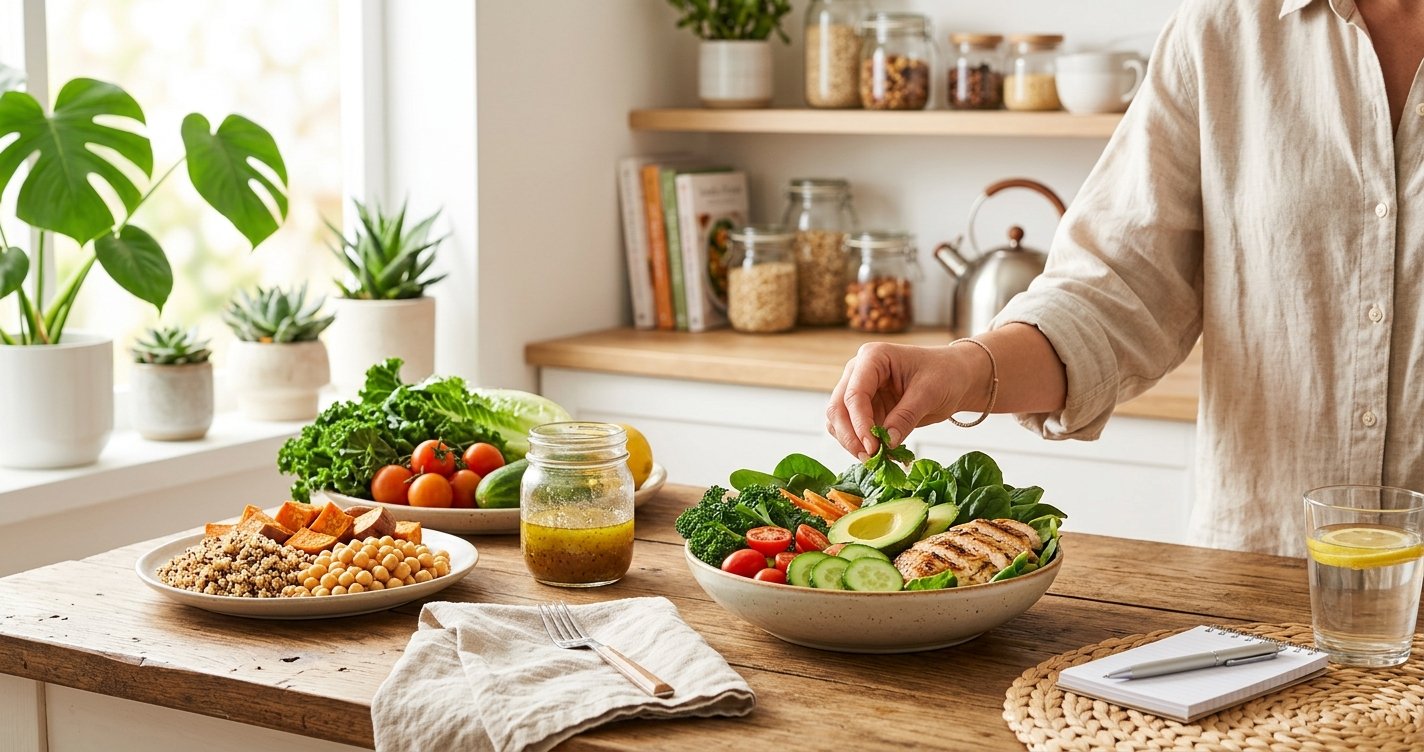
In a world obsessed with rapid results, it’s easy to get caught in the cycle of crash diets and extreme eating plans. But if you’ve ever found yourself losing weight only to regain it (and sometimes more!), you know that quick fixes rarely lead to lasting success. True, sustainable fat loss isn't about deprivation; it's about building a foundation of healthy, enjoyable, and evidence-based nutrition habits that you can maintain for life. This isn't just about fitting into a smaller size; it's about fostering better health, more energy, and a positive relationship with food.
Forget the restrictive rules and unrealistic expectations. Today, we're diving into practical, friendly, and science-backed strategies that empower you to make informed choices, enjoy your food, and achieve your fat loss goals in a way that truly sticks. Let's embark on this journey together! this excellent wellness product
Why Quick Fixes Fail: The Cycle of Restriction and Regain
The allure of a 30-day detox or a drastic calorie cut is powerful. The initial weight loss can be motivating, but beneath the surface, these approaches often set us up for failure. When you severely restrict calories or entire food groups, your body perceives it as a threat. It responds by slowing down your metabolism to conserve energy, and your hunger hormones (like ghrelin) go into overdrive, making cravings harder to resist. Mentally, this can lead to feelings of deprivation, guilt, and an unhealthy obsession with food.
The moment you inevitably 'fall off the wagon' – because no one can sustain extreme restriction forever – your body, still in 'starvation mode,' is primed to store fat efficiently. This rebound effect, often called 'yo-yo dieting,' can be incredibly frustrating and damaging to both your physical and mental health. Sustainable fat loss, however, focuses on nurturing your body and mind, making it a journey of empowerment, not punishment.
The Cornerstone: Understanding Your Calorie Deficit (Without Obsession)
At its core, fat loss boils down to one fundamental principle: consuming fewer calories than your body burns. This is known as a calorie deficit. While it sounds simple, the magic isn't in rigid counting, but in creating this deficit smartly and sustainably. You don't need to meticulously track every morsel of food to achieve this.
Instead, focus on making choices that naturally reduce your caloric intake while keeping you satisfied. This involves prioritizing whole, unprocessed foods that are nutrient-dense but less calorie-dense. Think about portion control – not eliminating foods, but being mindful of how much you eat. Swapping sugary drinks for water, choosing lean protein over fatty cuts, and filling half your plate with vegetables are simple yet powerful ways to create a gentle, manageable calorie deficit without feeling deprived.
Power Up with Protein: Your Satiety and Muscle Ally
Why Protein is King for Fat Loss
If there's one nutrient that deserves a spotlight in your fat loss journey, it's protein. Here's why:
- Satiety Superpower: Protein is incredibly filling. Including adequate protein in your meals helps you feel fuller for longer, reducing the likelihood of overeating and unnecessary snacking.
- Metabolic Boost: Your body burns more calories digesting protein compared to fats or carbohydrates. This is known as the thermic effect of food (TEF), and protein has the highest TEF.
- Muscle Preservation: When you're in a calorie deficit, your body can sometimes break down muscle tissue for energy. Adequate protein intake is crucial for preserving your precious muscle mass, which is vital for maintaining a healthy metabolism.
Practical Protein Sources and Intake Tips
Aim to include a good source of protein at every meal. Excellent options include:
- Lean meats (chicken breast, turkey, lean beef)
- Fish and seafood (salmon, cod, tuna)
- Eggs
- Dairy products (Greek yogurt, cottage cheese)
- Legumes (lentils, beans, chickpeas)
- Tofu and tempeh
Start your day with protein-rich breakfast, like Greek yogurt with berries or scrambled eggs. Add grilled chicken to your salad for lunch and make fish or lean meat the centerpiece of your dinner. Small changes like these make a big difference.
Fiber-Rich Foods: The Unsung Heroes of Gut Health and Fullness
The Benefits of Fiber for Fat Loss
Fiber often gets overlooked, but it's a game-changer for sustainable fat loss:
- Enhanced Satiety: Like protein, fiber adds bulk to your meals, helping you feel full and satisfied without adding many calories. Soluble fiber, in particular, forms a gel-like substance in your gut, slowing digestion.
- Digestive Health: Fiber promotes a healthy digestive system, which is crucial for overall well-being and nutrient absorption.
- Blood Sugar Regulation: High-fiber foods help stabilize blood sugar levels, preventing the energy crashes and intense cravings that often follow sugary, refined carbohydrate meals.
Incorporating More Fiber into Your Diet
Make it a habit to load up on fiber-rich foods:
- Fruits: Berries, apples, pears, bananas
- Vegetables: Broccoli, spinach, carrots, Brussels sprouts, leafy greens
- Whole Grains: Oats, quinoa, brown rice, whole-wheat bread
- Legumes: All types of beans, lentils
- Nuts and Seeds: Almonds, chia seeds, flax seeds
Gradually increase your fiber intake to allow your digestive system to adjust, and remember to drink plenty of water as you do!
Smart Carb Choices and Healthy Fats: Fueling Your Body Right
Navigating Carbohydrates for Energy
Carbohydrates are often demonized, but they are your body's primary energy source. The key is choosing the right kind. Focus on complex carbohydrates over refined ones:
- Complex Carbs: Found in whole grains, fruits, and vegetables, these are packed with fiber and nutrients, providing sustained energy and supporting satiety.
- Refined Carbs: Found in white bread, sugary snacks, and processed foods, these offer little nutritional value, cause rapid blood sugar spikes, and contribute to cravings and fat storage.
Prioritize whole, unprocessed carbs, especially around your workouts, to fuel your activity and recovery. Don't fear carbs; choose them wisely!
Embracing Healthy Fats for Vitality
Just like carbs, fats have gotten a bad rap. But healthy fats are essential for hormone production, nutrient absorption, brain health, and yes, even satiety. They are calorie-dense, so portion control is important, but don't cut them out entirely.
Incorporate sources like:
- Avocados
- Nuts (almonds, walnuts)
- Seeds (chia, flax, pumpkin)
- Olive oil and other healthy cooking oils
- Fatty fish (salmon, mackerel)
A little goes a long way, but these fats are vital for feeling satisfied and supporting overall health.
Beyond the Plate: Mindset and Habits for Lasting Success
Mindful Eating: Savoring Your Food
How you eat is almost as important as what you eat. Mindful eating involves paying attention to your body's hunger and fullness cues, eating slowly, and savoring each bite. This helps you recognize when you're truly satisfied, preventing overeating and fostering a healthier relationship with food. Put away distractions like your phone or TV and truly connect with your meal.
Hydration: Don't Forget Water!
Often overlooked, water is critical for metabolism, satiety, and overall health. Sometimes, thirst is mistaken for hunger. Aim for plenty of water throughout the day, and try drinking a glass before meals to aid fullness.
Consistency Over Perfection
Remember, this is a journey, not a sprint. There will be days when you make less-than-ideal choices, and that's perfectly normal. The goal isn't perfection; it's consistency. Focus on making good choices most of the time. Learn from setbacks, don't dwell on them, and get back on track with your next meal. Small, consistent efforts compound over time into significant results.
Sleep and Stress Management
While not directly about nutrition, adequate sleep and stress management profoundly impact your eating habits and fat loss. Poor sleep and high stress can disrupt hormones that regulate appetite (ghrelin and leptin), leading to increased cravings for unhealthy foods and making fat loss harder. Prioritize 7-9 hours of quality sleep and find healthy ways to manage stress, whether through meditation, exercise, or spending time in nature.
Your Sustainable Path to Fat Loss
Achieving lasting fat loss isn't about chasing the latest fad diet; it's about embracing a holistic, sustainable approach to nutrition and lifestyle. By understanding the power of a gentle calorie deficit, prioritizing protein and fiber, making smart carb and fat choices, and cultivating mindful eating habits, you're not just losing weight – you're building a healthier, happier you.
This journey is unique to you. Be patient, be kind to yourself, and celebrate every small victory along the way. Start today by choosing one or two sustainable changes from this guide. Your body and mind will thank you for it!