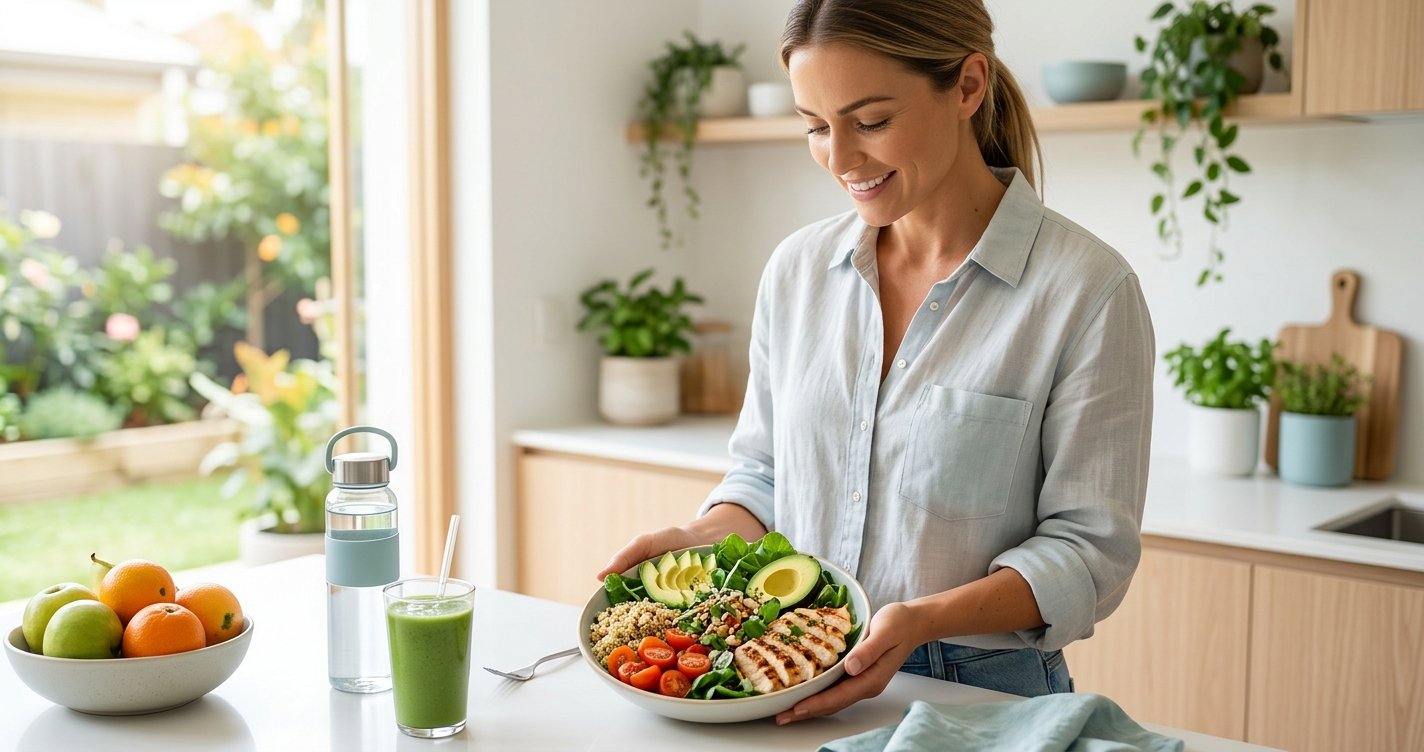
Are you tired of the diet roller coaster? The endless cycle of restricting, losing a few pounds, only to gain them back (and sometimes more)? You're not alone. Many people embark on fat loss journeys with the best intentions, only to be met with frustration and a feeling of failure. The good news? Sustainable, lasting fat loss isn't about deprivation or extreme measures. It's about understanding your body, making informed choices, and building habits that support your health and goals for the long haul. And at the heart of it all? Nutrition.
This guide will cut through the noise and provide you with evidence-based, practical strategies for harnessing the power of nutrition to achieve sustainable fat loss. We'll focus on creating a balanced, enjoyable eating plan that nourishes your body, keeps you feeling satisfied, and helps you shed those unwanted pounds permanently. this excellent wellness product
The Cornerstone of Fat Loss: Understanding Your Calorie Deficit (The Smart Way)
Let's get this out of the way first: to lose fat, you need to be in a calorie deficit. This means consuming slightly fewer calories than your body burns each day. However, 'deficit' doesn't mean 'starvation'! Extreme calorie restriction can backfire, leading to muscle loss, nutrient deficiencies, slowed metabolism, and an inevitable rebound.
How to Create a Sustainable Calorie Deficit:
- Estimate Your Maintenance Calories: Use an online TDEE (Total Daily Energy Expenditure) calculator as a starting point. These tools estimate how many calories you burn based on your age, sex, weight, height, and activity level.
- Subtract Moderately: Aim to subtract 300-500 calories from your maintenance number. This creates a gentle, sustainable deficit that allows for consistent fat loss without feeling overly deprived. For example, if your maintenance is 2200 calories, aim for 1700-1900 calories per day.
- Prioritize Nutrient Density: Focus on foods that offer a lot of nutrients for their calorie count. This helps you feel fuller on fewer calories.
- Be Patient: Sustainable fat loss is typically 1-2 pounds per week. Anything faster often comes at the expense of muscle or water, not just fat.
Macronutrients Matter: Fueling Your Body for Fat Loss
While total calories are king, the composition of those calories (your macronutrients: protein, carbohydrates, and fats) plays a crucial role in satiety, energy levels, and preserving muscle mass during fat loss.
1. Protein: Your Satiety & Muscle Guardian
Protein is your best friend when it comes to fat loss. It's the most satiating macronutrient, meaning it keeps you feeling fuller for longer, reducing cravings and overeating. Furthermore, protein is essential for preserving lean muscle mass, which is critical because muscle burns more calories at rest than fat does. It also has a higher thermic effect of food (TEF), meaning your body burns more calories digesting protein than carbs or fats.
- Aim For: 0.7-1.0 grams of protein per pound of target body weight.
- Sources: Lean meats (chicken, turkey, lean beef), fish, eggs, Greek yogurt, cottage cheese, legumes, tofu, protein powder.
2. Carbohydrates: Energy for Your Workouts & Brain
Carbohydrates have often been demonized, but they are your body's preferred source of energy. The key is choosing the right kind of carbs.
- Focus On: Complex carbohydrates, which are rich in fiber and provide a steady release of energy, preventing blood sugar spikes and crashes.
- Sources: Whole grains (oats, brown rice, quinoa), fruits, vegetables, sweet potatoes.
- Limit: Refined carbohydrates like white bread, sugary drinks, and pastries, which offer little nutritional value and can lead to energy crashes and increased hunger.
3. Healthy Fats: Essential for Hormones & Satiety
Fats are vital for hormone production, nutrient absorption, and providing a sense of satiety. However, they are also calorie-dense, so portion control is key.
- Prioritize: Unsaturated fats (monounsaturated and polyunsaturated).
- Sources: Avocados, nuts, seeds, olive oil, fatty fish (salmon, mackerel).
- Limit: Saturated and trans fats found in processed foods and some animal products, as they can negatively impact heart health.
Embrace Whole Foods: The Power of Nature's Best
One of the simplest yet most effective strategies for sustainable fat loss is to prioritize whole, unprocessed foods. Think single-ingredient foods that come from nature, not a factory. These foods are typically lower in calories, higher in nutrients, and packed with fiber, which aids in satiety and digestion.
Why Whole Foods Win for Fat Loss:
- Nutrient Density: Provide essential vitamins, minerals, and antioxidants.
- Higher Fiber Content: Keeps you feeling full, aids digestion, and helps regulate blood sugar.
- Naturally Lower in Calories: You can eat a larger volume of whole foods for fewer calories compared to processed options.
- No Hidden Sugars or Unhealthy Fats: You're in control of what goes into your body.
Hydration & Fiber: Your Secret Weapons
These two often-overlooked components play a massive role in successful fat loss.
Hydration:
- Boosts Metabolism: Water is essential for countless bodily functions, including metabolism.
- Reduces Hunger: Sometimes, thirst is mistaken for hunger. Drinking water before meals can help you eat less.
- Aids Digestion: Keeps your digestive system running smoothly.
- Aim For: At least 8-10 glasses of water per day, more if you're active.
Fiber:
- Promotes Satiety: Adds bulk to your meals, making you feel full and satisfied.
- Stabilizes Blood Sugar: Prevents rapid spikes and drops, reducing cravings.
- Supports Gut Health: Essential for a healthy microbiome, which can influence weight.
- Sources: Fruits, vegetables, whole grains, legumes, nuts, and seeds.
Mindful Eating & Portion Control: Eating Smarter, Not Less
It's not just about *what* you eat, but *how* you eat. Mindful eating involves paying attention to your food, your body's hunger and fullness cues, and the experience of eating. This can significantly impact your calorie intake without feeling restrictive.
Tips for Mindful Eating:
- Eat Slowly: It takes about 20 minutes for your brain to register that your stomach is full.
- Chew Thoroughly: Savor each bite and aid digestion.
- Eliminate Distractions: Turn off the TV, put away your phone. Focus on your meal.
- Listen to Your Body: Eat when you're hungry, stop when you're comfortably full, not stuffed.
- Use Smaller Plates: A simple trick to make portions look larger.
Meal Planning & Preparation: Your Roadmap to Success
Failing to plan is planning to fail, especially when it comes to nutrition. Taking time to plan and prepare your meals can dramatically improve your consistency and reduce the likelihood of making impulsive, unhealthy food choices.
Benefits of Meal Prep:
- Saves Time & Money: Fewer trips to the grocery store and less eating out.
- Ensures Healthy Choices: You'll always have a nutritious meal or snack ready.
- Helps With Portion Control: Pre-portioned meals prevent overeating.
- Reduces Stress: One less thing to worry about during busy weekdays.
Getting Started with Meal Prep:
- Start Small: Prepare just a few meals or components (e.g., cook a batch of chicken and some roasted veggies).
- Choose Simple Recipes: Don't overcomplicate it initially.
- Invest in Good Containers: Airtight, microwave-safe containers are a game-changer.
Beyond the Plate: Lifestyle Factors for Holistic Fat Loss
While nutrition is paramount, remember that fat loss is a holistic journey. Other lifestyle factors play a supportive role:
- Adequate Sleep: Poor sleep can disrupt hormones that regulate hunger (ghrelin) and satiety (leptin), leading to increased cravings and fat storage. Aim for 7-9 hours per night.
- Stress Management: Chronic stress elevates cortisol, a hormone that can promote belly fat storage. Find healthy ways to manage stress, such as meditation, yoga, or hobbies.
- Regular Physical Activity: While you can't out-train a bad diet, exercise (especially strength training) helps burn calories, preserve muscle mass, and improve overall health.
Your Journey to Sustainable Fat Loss Starts Now
Sustainable fat loss isn't about chasing fleeting trends or punishing yourself with extreme restrictions. It's about empowering yourself with knowledge, making consistent, positive nutritional choices, and building habits that support a healthier, happier you for life. Focus on whole, nutrient-dense foods, prioritize protein and fiber, stay hydrated, practice mindful eating, and plan your meals. Be patient with yourself, celebrate small victories, and remember that every healthy choice moves you closer to your goal.
Embrace this journey with an encouraging mindset, and you'll not only achieve your fat loss goals but also cultivate a relationship with food that truly nourishes your body and soul.