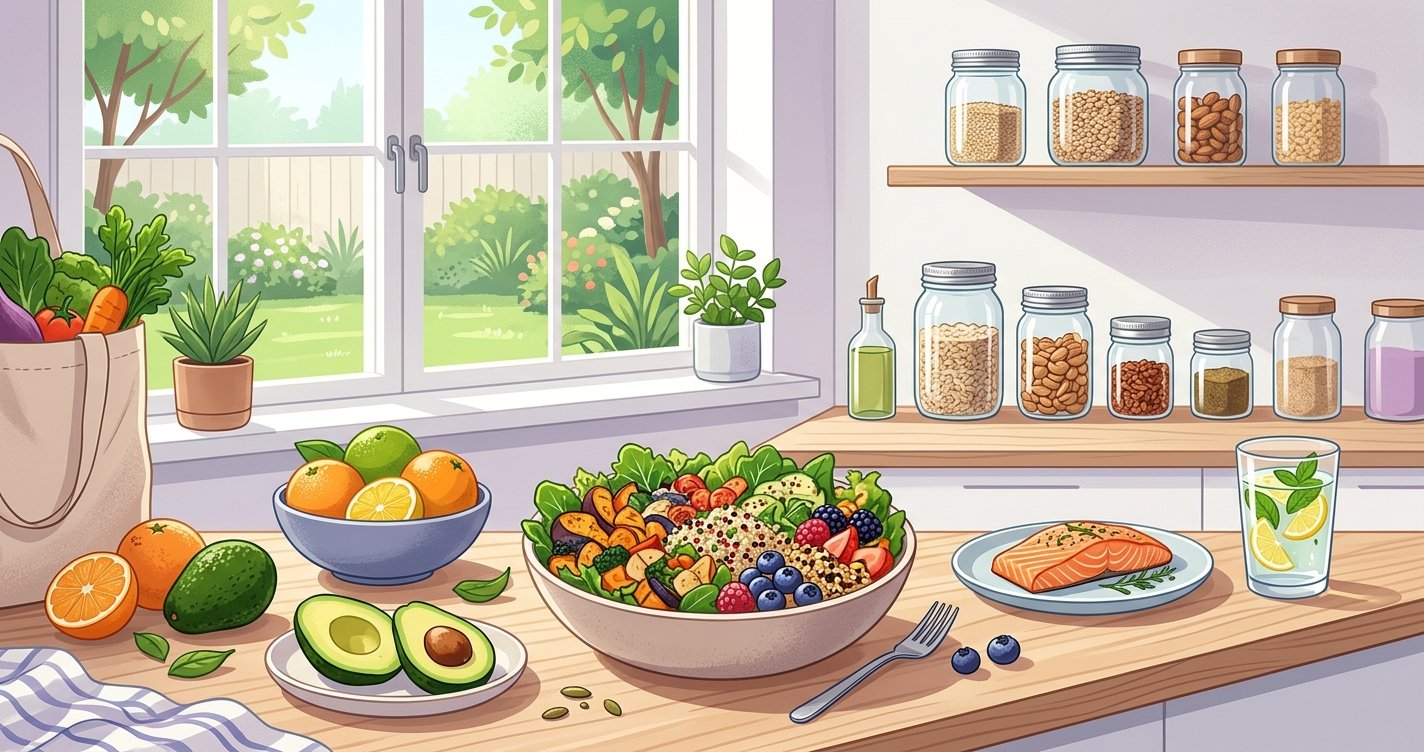
Beyond Quick Fixes: Sustainable Nutrition Strategies for Lasting Fat Loss
Are you tired of the endless cycle of crash diets, restrictive eating, and the frustrating rebound effect? You’re not alone. In a world saturated with promises of rapid weight loss, it’s easy to get caught up in fads that ultimately leave you feeling defeated. But what if there was a better way – a path to fat loss that doesn’t involve deprivation, but rather empowers you with knowledge and healthy habits that stick for life? Good news: there is! This isn't about a diet; it's about building a sustainable approach to nutrition that transforms your body and your relationship with food, leading to genuine, lasting fat loss.
We’re going to dive into evidence-based strategies that prioritize your well-being, energy levels, and long-term success. Forget starvation and unsustainable rules; let’s build a foundation for a healthier, happier you, one delicious meal at a time. this excellent wellness product
Why Most Diets Fail: Understanding the Cycle of Restriction and Rebound
Before we build up, let’s understand why so many traditional diets crumble. The allure of quick results often leads people to extreme calorie restriction, cutting out entire food groups, or relying on shakes and pills. While these methods might show initial progress, they’re rarely sustainable. Your body, designed for survival, perceives extreme restriction as a threat, leading to metabolic adaptations that slow your metabolism, increase hunger hormones, and make fat loss incredibly difficult to maintain. The psychological toll is equally heavy, fostering feelings of deprivation, guilt, and an unhealthy obsession with food. Eventually, the restrictive dam breaks, leading to overeating and the dreaded rebound, often leaving you heavier and more frustrated than before. Our goal is to break this cycle by focusing on strategies that nourish, not punish.
The Cornerstone: Creating a Smart, Sustainable Calorie Deficit
At its core, fat loss boils down to one fundamental principle: consuming fewer calories than your body expends. This is known as a calorie deficit. However, the key word here is sustainable. A drastic deficit is counterproductive. Instead, aim for a modest deficit of around 300-500 calories below your maintenance level. This allows your body to tap into its fat stores for energy without triggering extreme hunger or metabolic slowdowns. How do you figure this out? You can use online calculators as a starting point, but the best approach is often to track your current intake for a few days, then gradually reduce portions or make smarter food choices. Remember, consistency over severity is the winning strategy here.
Prioritize Protein: Your Powerful Fat Loss Ally
If there’s one macronutrient to truly lean into for fat loss, it’s protein. Here’s why it’s a game-changer:
- Satiety Superstar: Protein is incredibly filling. Including adequate protein in each meal helps you feel fuller for longer, reducing overall calorie intake throughout the day.
- Muscle Preservation: When you're in a calorie deficit, your body can break down muscle tissue for energy. Protein helps protect your precious muscle mass, which is crucial because muscle burns more calories at rest than fat does.
- Thermic Effect of Food (TEF): Protein has a higher TEF than carbs or fats, meaning your body expends more energy (calories) to digest and metabolize it.
Aim for 0.7-1 gram of protein per pound of your target body weight. Excellent sources include lean meats, poultry, fish, eggs, dairy (Greek yogurt, cottage cheese), legumes, and plant-based protein powders.
Embrace Whole Foods: Fueling Your Body Wisely
Think of your body as a high-performance machine. Would you fuel it with cheap, highly processed ingredients, or nutrient-dense, quality fuel? Whole, unprocessed foods are the bedrock of sustainable fat loss and overall health. They are naturally rich in vitamins, minerals, fiber, and antioxidants, and generally lower in calories per serving compared to their processed counterparts. Focus on:
- Abundant Vegetables: Non-starchy vegetables (leafy greens, broccoli, bell peppers, zucchini) are low in calories, high in fiber, and packed with nutrients. Fill half your plate with them!
- Fruits: Nature's candy! Enjoy a variety of fruits for their vitamins, fiber, and natural sugars.
- Lean Proteins: As discussed, essential for satiety and muscle.
- Whole Grains: Opt for oats, quinoa, brown rice, and whole-wheat bread over refined grains. They provide sustained energy and fiber.
- Healthy Fats: Crucial for hormone production, nutrient absorption, and satiety.
Smart Carb Choices & Healthy Fats: Balance is Key
Navigating Carbohydrates
Carbs often get a bad rap, but they are not the enemy! The key is choosing the right ones. Focus on complex carbohydrates found in whole grains, fruits, and vegetables. These provide sustained energy, fiber (which aids digestion and satiety), and essential nutrients. Limit refined carbohydrates like white bread, sugary drinks, pastries, and processed snacks, which offer little nutritional value and can lead to energy crashes and increased hunger.
Integrating Healthy Fats
Fats are vital for numerous bodily functions, including hormone production and vitamin absorption. They also contribute significantly to satiety, helping you feel full and satisfied after meals. Don't fear healthy fats; embrace them in moderation. Excellent sources include avocados, nuts, seeds, olive oil, and fatty fish like salmon. Remember, while healthy, fats are calorie-dense, so portion control is important.
Beyond the Plate: Hydration, Sleep, and Stress – The Unsung Heroes
While nutrition is paramount, sustainable fat loss isn't just about what you eat; it's also about how you live. Don't underestimate the impact of these crucial factors:
- Hydration: Drinking enough water (aim for 8 glasses or more) can help with satiety, boost metabolism, and ensure all your bodily functions are running optimally. Sometimes, thirst is mistaken for hunger!
- Sleep: Lack of sleep wreaks havoc on your hormones, increasing ghrelin (hunger hormone) and decreasing leptin (satiety hormone). Aim for 7-9 hours of quality sleep per night to support your fat loss efforts.
- Stress Management: Chronic stress elevates cortisol levels, which can promote fat storage, especially around the belly. Incorporate stress-reducing activities like meditation, yoga, walking, or hobbies into your routine.
Practical Tips for Building Sustainable Eating Habits
Now that we understand the principles, let’s talk actionable steps:
- Meal Planning & Prep: Spend a little time each week planning your meals and snacks. This reduces decision fatigue, ensures you have healthy options readily available, and prevents impulsive unhealthy choices.
- Mindful Eating: Slow down! Pay attention to your food – its taste, texture, and how it makes you feel. Eat until you’re satisfied, not stuffed. This helps you recognize hunger and fullness cues.
- Portion Control: Even healthy foods need to be eaten in appropriate portions. Use smaller plates, measure out calorie-dense foods like nuts or oils, and learn what a serving size truly looks like.
- Flexibility, Not Perfection: Don't aim for 100% perfection. Life happens! If you have an off-plan meal, acknowledge it, and get right back on track with your next meal. One meal won't derail your progress, but guilt and giving up will.
- Track Progress (Beyond the Scale): The scale is just one tool. Also track how your clothes fit, your energy levels, strength gains, and overall mood. Celebrate non-scale victories!
- Listen to Your Body: Learn to differentiate between true hunger and emotional eating or cravings. Understand what foods make you feel good and which ones don't.
Your Journey to Lasting Fat Loss Starts Now
Sustainable fat loss isn't a destination; it's a journey of continuous learning, adaptation, and self-care. By focusing on whole, nutrient-dense foods, prioritizing protein, managing your calorie intake smartly, and supporting your body with adequate hydration, sleep, and stress management, you're not just losing fat – you're building a healthier, more vibrant life. Be patient with yourself, celebrate every small victory, and remember that consistency, not perfection, is the secret ingredient to long-term success. You have the power to transform your relationship with food and achieve the lasting results you deserve!