Are you tired of the endless cycle of crash diets, rapid weight loss, and then inevitably regaining all the weight (and sometimes more)? You're not alone. Many of us have fallen victim to the allure of quick fixes, only to find ourselves frustrated and discouraged in the long run. But what if there was a better way? A path to fat loss that isn't about deprivation and misery, but about building healthy, sustainable habits that last a lifetime?
This isn't about the latest fad diet or a magic pill. It's about understanding your body, nourishing it intelligently, and making informed choices that support your goals without sacrificing your sanity or your favorite foods. We're diving deep into sustainable nutrition strategies that will help you achieve lasting fat loss, improve your health, and feel fantastic. this excellent wellness product
Why "Quick Fixes" Don't Last (and Often Backfire)
The diet industry thrives on promises of rapid results. While severely restricting calories or cutting out entire food groups might lead to initial weight loss, it's rarely fat loss, and it's almost never sustainable. Here's why:
The Yo-Yo Diet Cycle
When you drastically cut calories, your body goes into “survival mode.” It slows down your metabolism to conserve energy, and you lose not just fat, but also precious muscle mass. Muscle is metabolically active, meaning it burns more calories at rest. So, when you lose muscle, your baseline calorie burn decreases. Once you inevitably return to a more normal eating pattern (because who can sustain extreme restriction forever?), your slower metabolism, coupled with less muscle, makes it easier to regain weight, often as fat, creating the dreaded yo-yo effect.
Metabolic Adaptation Explained Simply
Your body is incredibly smart and adaptable. When you consistently eat fewer calories, your metabolism adjusts to this new normal. It becomes more efficient at using energy, meaning it needs fewer calories to perform the same functions. This “metabolic adaptation” is a key reason why fat loss plateaus and why maintaining a very low-calorie intake becomes incredibly difficult and unsustainable. Sustainable strategies work with your metabolism, not against it.
The Foundation: Understanding Your Calorie Deficit
At its core, fat loss requires a calorie deficit. This means consistently consuming fewer calories than your body burns. However, there's a huge difference between a healthy, sustainable deficit and a drastic, unhealthy one.
It's Not About Starvation: Finding Your Sweet Spot
The goal is to create a moderate deficit (typically 300-500 calories below your daily maintenance needs) that allows for steady, consistent fat loss without triggering extreme hunger, nutrient deficiencies, or significant metabolic slowdown. This approach ensures you can maintain energy levels, support muscle mass, and stick to your plan long-term.
How to Estimate Your Needs
Tools like online TDEE (Total Daily Energy Expenditure) calculators can give you a starting estimate of how many calories your body burns daily. These consider factors like your age, sex, weight, height, and activity level. Remember, these are estimates, and you may need to adjust based on your progress and how you feel.
Building Your Sustainable Plate: Macronutrients Matter
While calories are king for fat loss, the composition of those calories — your macronutrients (protein, carbohydrates, and fats) — plays a crucial role in satiety, muscle preservation, energy, and overall health.
Protein: Your Fat Loss Ally
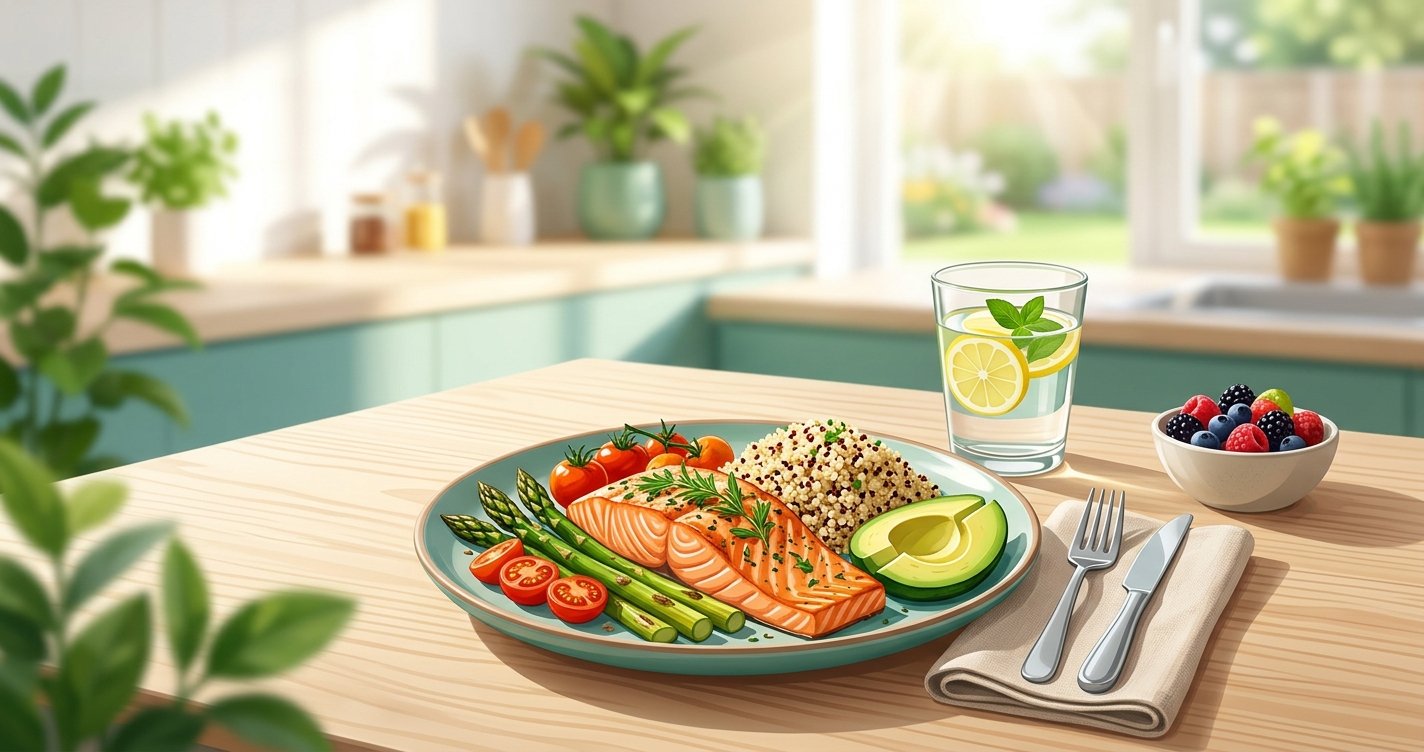
Protein is the superhero of fat loss. It's highly satiating, helping you feel fuller for longer, which can reduce overall calorie intake. It also has a higher thermic effect of food (TEF), meaning your body burns more calories digesting protein than carbs or fats. Most importantly, adequate protein intake is crucial for preserving muscle mass during a calorie deficit. Aim for lean sources like chicken breast, fish, lean beef, eggs, dairy, and plant-based options like lentils, beans, and tofu.
Smart Carbs: Fueling Your Body, Not Just Your Cravings
Carbohydrates often get a bad rap, but they are your body's primary energy source. The key is choosing the right carbs. Focus on complex carbohydrates rich in fiber, such as whole grains (oats, quinoa, brown rice), fruits, and vegetables. These provide sustained energy, essential nutrients, and contribute to satiety. Limit refined sugars and processed carbs, which offer little nutritional value and can lead to energy crashes and increased cravings.
Healthy Fats: Essential for Hormones and Satiety
Fats are vital for hormone production, nutrient absorption, and overall cell function. While they are calorie-dense, healthy fats are incredibly satiating and contribute to the flavor and enjoyment of your meals. Incorporate sources like avocados, nuts, seeds, olive oil, and fatty fish (salmon, mackerel) in moderation. Don't fear fats; embrace the healthy ones!
Beyond Calories: Practical Strategies for Long-Term Success
Achieving lasting fat loss isn't just about what you eat, but also how you eat and how you live.
Mindful Eating: Savoring Every Bite
Slow down. Pay attention to your food. Notice the flavors, textures, and aromas. Mindful eating helps you recognize your body's hunger and fullness cues, preventing overeating and fostering a healthier relationship with food. Put away distractions like your phone or TV and truly enjoy your meals.
Portion Control: Visual Cues and Smart Choices
Even healthy foods can lead to weight gain if consumed in excess. Learn to estimate portions using visual cues (e.g., a deck of cards for protein, a cupped hand for carbs) or by occasionally weighing food. Opt for smaller plates, and fill half your plate with non-starchy vegetables.
Hydration: An Often-Overlooked Superpower
Drinking plenty of water is crucial. It helps with satiety, metabolism, and overall bodily functions. Sometimes, what feels like hunger is actually thirst. Aim for at least 8 glasses of water a day, and consider drinking a glass before meals.
Meal Planning & Prep: Your Secret Weapon
Failing to plan is planning to fail. Dedicate some time each week to plan your meals and snacks. Prepare components in advance (e.g., cook a batch of chicken, chop vegetables). This reduces decision fatigue, minimizes impulse eating, and ensures you always have healthy options readily available.
The Power of Fiber: Fullness and Gut Health
Foods high in fiber (fruits, vegetables, whole grains, legumes) are your allies. Fiber adds bulk to your meals, helping you feel full without adding many calories. It also supports a healthy gut microbiome, which is increasingly linked to weight management and overall health.
Navigating Challenges: Consistency Over Perfection
The path to fat loss is rarely linear. There will be good days and challenging days. The key is consistency, not perfection.
Dealing with Cravings and Slip-ups
Cravings are normal. Instead of fighting them with extreme willpower, acknowledge them. Can you find a healthier alternative? Can you have a small, controlled portion of the desired food? If you have a “slip-up,” don't let it derail your entire journey. Acknowledge it, learn from it, and get right back on track with your next meal.
The Importance of Sleep and Stress Management
Poor sleep and chronic stress can wreak havoc on your hormones, increasing cortisol (a stress hormone) and ghrelin (a hunger hormone), while decreasing leptin (a satiety hormone). Prioritize 7-9 hours of quality sleep per night and find healthy ways to manage stress, such as meditation, yoga, or spending time in nature.
Embrace the Journey: Your Health, Your Way
Sustainable fat loss isn't about chasing a number on the scale; it's about building a healthier, stronger, and more vibrant you. It's about empowering yourself with knowledge, making conscious choices, and treating your body with the respect it deserves. There's no finish line, only a continuous journey of learning, adapting, and growing.
Start small, be patient, and celebrate every victory, no matter how minor. Focus on nourishing your body, enjoying your food, and creating habits that you can truly live with, not just for a few weeks, but for the rest of your life. Your future self will thank you for choosing sustainability over fleeting quick fixes.