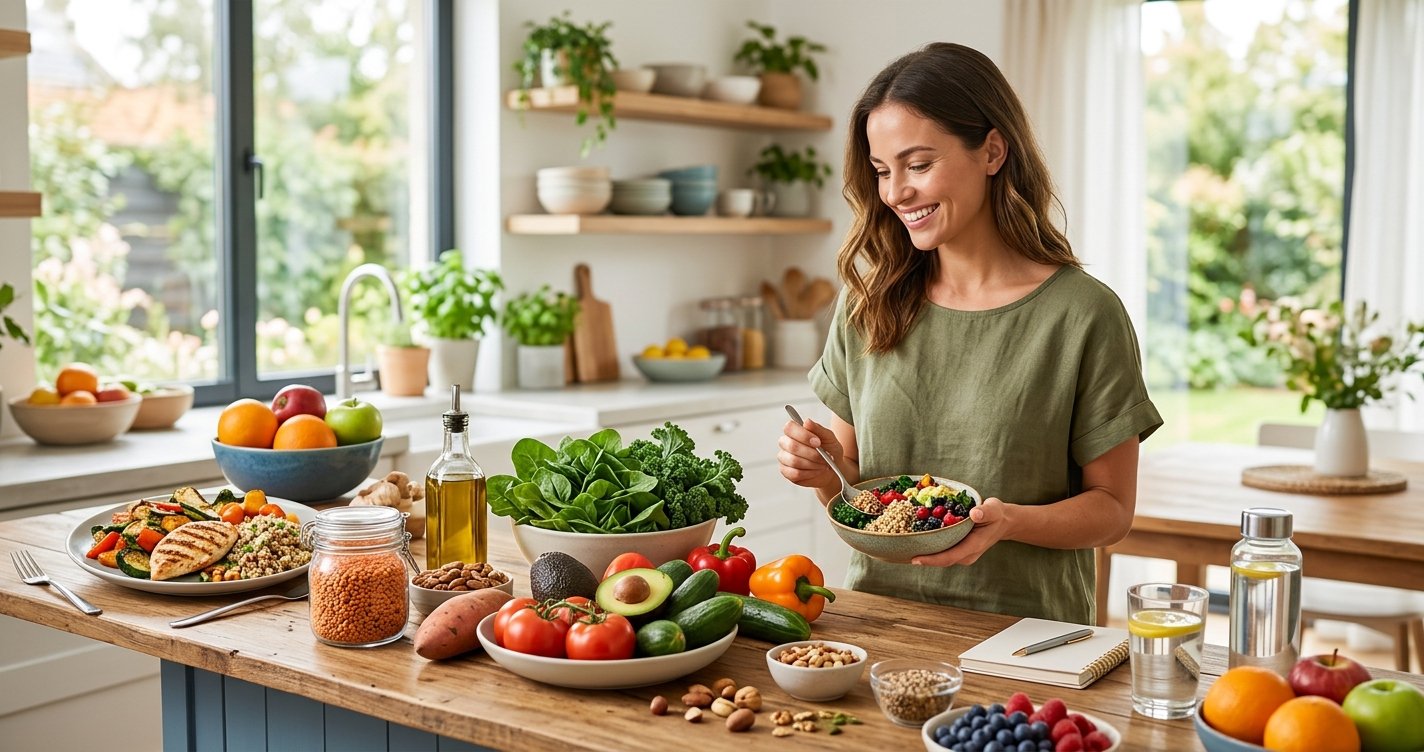
Beyond Diets: Your Ultimate Guide to Sustainable Nutrition for Lasting Fat Loss
Are you tired of the endless cycle of crash diets, restrictive eating, and the frustrating "yo-yo" effect? You're not alone. Many people embark on a fat loss journey with the best intentions, only to find themselves burnt out and back where they started. The truth is, sustainable fat loss isn't about deprivation; it's about building smart, lasting nutritional habits that nourish your body and support your goals for the long haul.
This isn't another fad diet manifesto. Instead, we're diving deep into evidence-based nutrition strategies that empower you to make informed choices, enjoy your food, and achieve lasting results. Let's ditch the quick fixes and embrace a friendly, realistic approach to transforming your body and health. this excellent wellness product
The Foundation: Why a Calorie Deficit is Non-Negotiable (But How You Get There Matters!)
At its core, fat loss boils down to one fundamental principle: consuming fewer calories than your body expends. This is known as creating a "calorie deficit." Think of your body like a car – if you put less fuel in than it burns, the fuel tank (your fat stores) will gradually empty. While simple in theory, the magic lies in *how* you achieve this deficit. Starving yourself or severely restricting entire food groups is a recipe for failure, leading to nutrient deficiencies, cravings, and a miserable experience.
A sustainable calorie deficit focuses on smart choices: prioritizing nutrient-dense foods that keep you full and satisfied, rather than just cutting calories indiscriminately. This ensures your body still receives the vitamins, minerals, and macronutrients it needs to function optimally, keeping your metabolism humming and your energy levels stable.
Power Up with Protein: Your Best Friend for Fat Loss
If there's one macronutrient that deserves a spotlight in your fat loss journey, it's protein. Protein is an absolute powerhouse, offering multiple benefits that directly support your goals:
- Satiety Superstar: Protein is incredibly filling. Including adequate protein in your meals helps you feel fuller for longer, reducing the likelihood of overeating and snacking on less nutritious options.
- Muscle Preservation: When you're in a calorie deficit, your body can sometimes break down muscle tissue for energy, not just fat. Protein helps to preserve your precious muscle mass, which is crucial because muscle burns more calories at rest than fat does.
- Higher Thermic Effect: Your body uses more energy to digest and metabolize protein compared to carbohydrates or fats. This means you burn a few extra calories just by eating protein-rich foods!
Aim to include a lean protein source in every meal. Great options include chicken breast, turkey, lean beef, fish, eggs, Greek yogurt, cottage cheese, lentils, beans, and tofu.
Navigate Carbs & Fats Wisely: Fueling Your Body, Not Just Filling It
Smart Carbs for Sustained Energy
Carbohydrates often get a bad rap, but they are your body's primary energy source and essential for brain function and physical activity. The key is choosing the *right* kind of carbs. Focus on complex carbohydrates rich in fiber:
- Whole Grains: Oats, brown rice, quinoa, whole-wheat bread, and pasta. Their fiber content helps regulate blood sugar, provides sustained energy, and promotes digestive health.
- Fruits: Packed with vitamins, minerals, and fiber, fruits offer natural sweetness and powerful antioxidants.
- Vegetables: Non-starchy vegetables like broccoli, spinach, bell peppers, and kale are incredibly low in calories but high in fiber and nutrients, making them perfect for volume eating.
Limit your intake of refined carbohydrates like white bread, sugary cereals, pastries, and sodas, as these provide quick energy spikes followed by crashes, and often contribute to excess calorie intake without much nutritional value.
Healthy Fats are Essential (Yes, Even for Fat Loss!)
Just like carbs, fats have been unfairly demonized. Healthy fats are absolutely vital for hormone production, nutrient absorption (especially fat-soluble vitamins A, D, E, and K), and providing a sense of satiety. They also contribute to the flavor of your food, making your diet more enjoyable.
However, fats are calorie-dense, so portion control is important. Focus on unsaturated fats:
- Monounsaturated Fats: Found in avocados, olive oil, and nuts.
- Polyunsaturated Fats: Found in fatty fish (salmon, mackerel), flaxseeds, chia seeds, and walnuts. These include essential omega-3 fatty acids, which are beneficial for heart health and reducing inflammation.
Avoid trans fats found in many processed and fried foods, as these are detrimental to your health.
Beyond Macros: Hydration, Micronutrients, and Whole Foods
The Magic of Water
Water is often overlooked in fat loss, but it plays a critical role. Staying well-hydrated supports your metabolism, helps transport nutrients, and aids in satiety. Sometimes, thirst can be mistaken for hunger, leading to unnecessary snacking. Aim to drink plenty of water throughout the day, and try having a glass before meals.
Embrace Whole, Unprocessed Foods
One of the simplest yet most powerful shifts you can make is to prioritize whole, unprocessed foods. These foods – fruits, vegetables, lean proteins, whole grains, nuts, and seeds – are naturally rich in vitamins, minerals, and fiber, and generally lower in added sugars, unhealthy fats, and excessive sodium.
Ultra-processed foods, on the other hand, are often calorie-dense but nutrient-poor. They are designed to be highly palatable, making it easy to overeat them. By focusing on whole foods, you naturally reduce your calorie intake while boosting your nutrient consumption, leading to better health and more effective fat loss.
Cultivating Mindful Eating & Portion Control for Lasting Change
It's not just *what* you eat, but *how* you eat that makes a huge difference. Mindful eating is about paying attention to your food, your body's hunger and fullness cues, and the experience of eating. This can help you recognize when you're truly hungry versus just bored or stressed.
- Slow Down: Eat slowly, chew thoroughly, and savor each bite. It takes about 20 minutes for your stomach to signal to your brain that it's full.
- Eliminate Distractions: Turn off the TV, put away your phone, and focus on your meal.
- Listen to Your Body: Eat when you're hungry and stop when you're satisfied, not stuffed.
- Practice Portion Control: Learn what a healthy portion size looks like for different foods. Using smaller plates can also trick your brain into feeling more satisfied with less.
These practices can significantly reduce your overall calorie intake without feeling deprived.
Consistency Over Perfection: Building Habits That Stick
The journey to lasting fat loss is a marathon, not a sprint. There will be days when you make less-than-perfect food choices, or when life throws a curveball that disrupts your routine. That's okay! The key is consistency over time, not striving for unrealistic perfection every single day.
- Start Small: Don't try to overhaul your entire diet overnight. Pick one or two changes to focus on each week, like adding more vegetables to your dinner or swapping sugary drinks for water.
- Plan Ahead: Meal planning and prepping can be game-changers. Knowing what you're going to eat and having healthy options readily available reduces the likelihood of impulsive, unhealthy choices.
- Be Patient and Kind to Yourself: Fat loss takes time. Celebrate small victories, learn from setbacks without self-blame, and remember that progress isn't always linear.
- Flexibility is Key: A sustainable diet allows for occasional treats and social events. It's about finding a balance that works for your lifestyle, not living in constant fear of certain foods.
Embrace Your Sustainable Fat Loss Journey
Achieving lasting fat loss isn't about following a rigid, temporary diet; it's about making fundamental shifts in your relationship with food and building sustainable habits that support your health and well-being for life. By understanding the importance of a calorie deficit, prioritizing protein, choosing smart carbs and healthy fats, embracing whole foods and hydration, and practicing mindful eating, you're setting yourself up for success.
Remember, this is your journey. Be curious, be patient, and most importantly, be kind to yourself. Start today by choosing one small, manageable change, and watch as those consistent efforts lead to incredible, lasting results. You've got this!