Are you tired of the endless cycle of restrictive diets, quick fixes, and the frustration of seeing the scale yo-yo? You’re not alone. Many people embark on a fat loss journey with enthusiasm, only to be disheartened by unsustainable methods that promise the world but deliver only temporary results. The good news? True, lasting fat loss isn't about deprivation; it's about creating a healthy, sustainable relationship with food that nourishes your body and supports your goals for the long haul. This isn't just about shrinking your waistline; it's about empowering you with the knowledge and habits to live a healthier, more vibrant life.
In this guide, we'll ditch the diet dogma and explore evidence-based nutrition strategies that are both effective for fat loss and enjoyable enough to stick with. We'll focus on building habits that integrate seamlessly into your life, ensuring that your fat loss journey is a sustainable marathon, not a sprint. Ready to discover how to fuel your body for success without sacrificing your sanity or your favorite foods? Let's dive in! this excellent wellness product
The Unshakeable Truth: Calorie Deficit, Simplified
At the heart of every fat loss journey lies one fundamental principle: a calorie deficit. Simply put, you need to consistently consume fewer calories than your body burns. Think of it like a budget: if you spend less than you earn, you build savings. In this case, your body starts tapping into its stored energy (fat) to make up the difference.
While the concept is simple, the execution doesn't have to be extreme. Forget starvation diets; sustainable fat loss comes from a moderate, manageable calorie deficit. This means aiming for a deficit of around 300-500 calories per day, which can lead to a healthy and sustainable fat loss of 1-2 pounds per week. How do you achieve this without feeling deprived? It's not just about eating less; it's about eating smarter. Focusing on nutrient-dense foods that keep you feeling full and satisfied is key, allowing you to naturally reduce your calorie intake without constant hunger pangs. This forms the bedrock of sustainable fat loss, but it's just one piece of the puzzle.
Building Blocks for Success: The Power of Macronutrients
Once you understand the calorie deficit, the next step is to optimize what you’re eating within that deficit. This is where macronutrients – protein, carbohydrates, and fats – come into play. Each plays a unique and vital role in your body, especially when you're aiming for fat loss.
Protein: Your Fat Loss Ally
If there's one macronutrient to prioritize for fat loss, it's protein. Protein is essential for repairing and building muscle tissue, which is crucial because muscle is more metabolically active than fat, meaning it burns more calories even at rest. Beyond muscle, protein is incredibly satiating. It helps you feel fuller for longer, reducing overall calorie intake throughout the day. Studies consistently show that higher protein diets are more effective for fat loss and muscle preservation. Aim for lean sources like chicken breast, turkey, fish, eggs, Greek yogurt, cottage cheese, lentils, and beans.
Smart Carbs: Fueling Your Body, Not Just Your Cravings
Carbohydrates often get a bad rap in the fat loss world, but they are your body's primary source of energy. The key is choosing the right kind of carbs. Opt for complex carbohydrates found in whole grains (oats, brown rice, quinoa), fruits, and vegetables. These are rich in fiber, which aids digestion, helps regulate blood sugar levels, and contributes to satiety. They provide sustained energy, preventing those energy crashes that often lead to unhealthy snacking. Limit highly processed, refined carbs like white bread, sugary drinks, and pastries, which offer little nutritional value and can spike blood sugar, leading to increased fat storage.
Healthy Fats: Essential for Hormones and Satiety
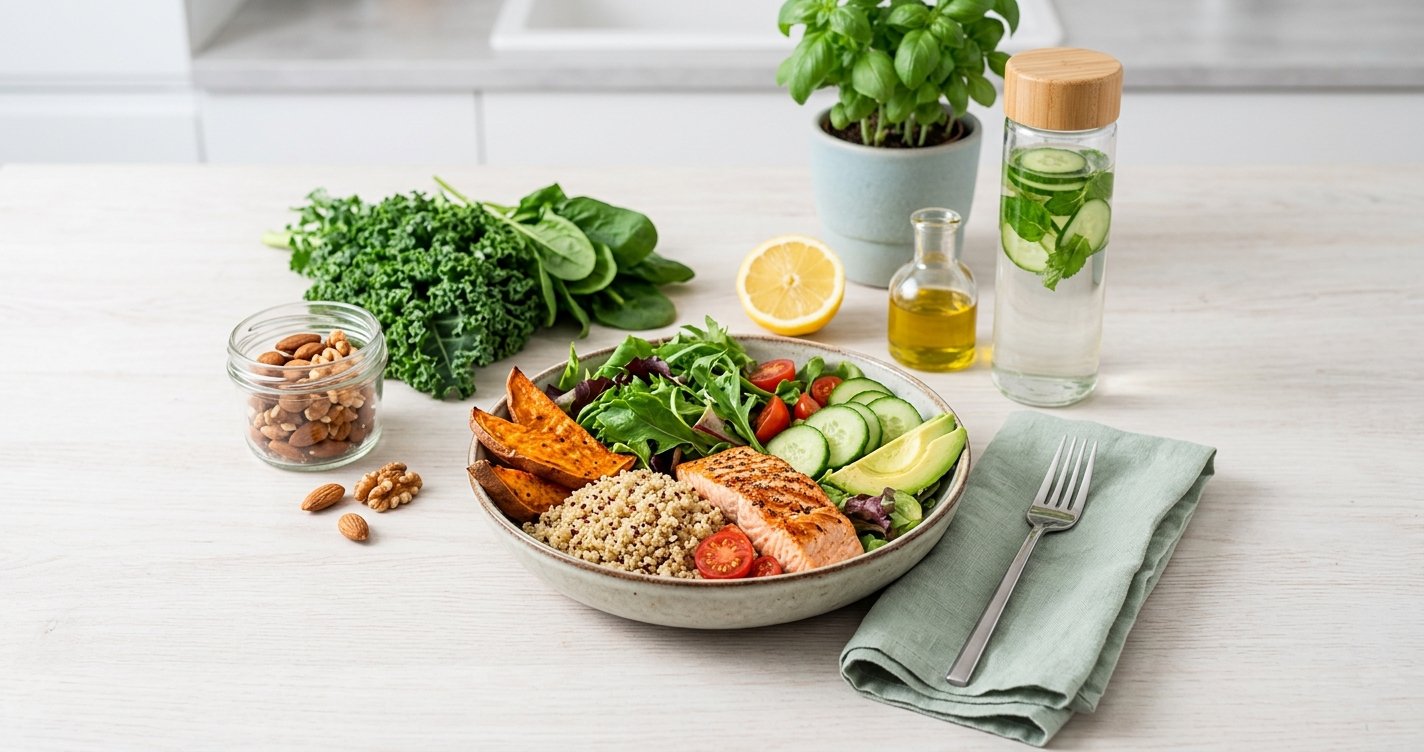
Despite their high calorie density, healthy fats are absolutely vital for overall health and can even aid in fat loss. They play a crucial role in hormone production, nutrient absorption, and provide a sense of satisfaction after meals, helping to control appetite. Think healthy unsaturated fats found in avocados, nuts, seeds, olive oil, and fatty fish like salmon. Incorporating these in moderation can prevent cravings and keep you feeling content, making your calorie deficit much easier to maintain.
Embrace Whole Foods: Nature's Fat Loss Formula
While macronutrients give us the framework, the quality of your food choices within those categories makes all the difference. This is where the power of whole, unprocessed foods shines. Whole foods – fruits, vegetables, lean proteins, whole grains, and healthy fats in their natural state – are packed with vitamins, minerals, antioxidants, and fiber. They are nutrient-dense, meaning you get a lot of nutritional bang for your caloric buck.
In contrast, ultra-processed foods are often high in refined sugars, unhealthy fats, and sodium, and low in essential nutrients. They tend to be less satiating, leading to overeating and making it incredibly difficult to maintain a calorie deficit. By prioritizing whole foods, you naturally increase your fiber intake, improve satiety, stabilize blood sugar, and provide your body with the fuel it needs to function optimally, facilitating more effective and sustainable fat loss.
The Mind-Body Connection: Mastering Mindful Eating
Fat loss isn't just about what you eat; it's also about how you eat. Mindful eating is a powerful practice that can transform your relationship with food and significantly contribute to your fat loss goals. It involves paying full attention to your food – its taste, texture, aroma – and tuning into your body's hunger and fullness cues.
In our fast-paced world, it's easy to eat quickly, distracted by screens or tasks, often leading to overeating because we don't register when we're full. Mindful eating encourages you to slow down, savor each bite, and truly listen to your body. Are you truly hungry, or are you eating out of boredom, stress, or habit? By becoming more aware, you can identify emotional eating patterns and make conscious choices that serve your health goals better. This practice not only helps with portion control but also enhances the enjoyment of your meals, making healthy eating a more satisfying experience.
Beyond the Plate: Hydration, Sleep, and Stress Management
Sustainable fat loss extends beyond just diet and exercise. Your overall lifestyle plays a significant role. Adequate hydration, quality sleep, and effective stress management are often overlooked, but they can profoundly impact your body's ability to lose fat.
- Hydration: Drinking enough water is crucial. It helps with metabolism, can reduce appetite (sometimes thirst is mistaken for hunger), and supports overall bodily functions. Aim for at least 8 glasses a day, more if you're active.
- Sleep: Lack of sleep can wreak havoc on your hormones, increasing ghrelin (the hunger hormone) and decreasing leptin (the satiety hormone). This makes you hungrier and more likely to crave unhealthy foods. Prioritize 7-9 hours of quality sleep each night.
- Stress Management: Chronic stress elevates cortisol levels, a hormone that can promote fat storage, especially around the belly. Finding healthy ways to manage stress – through meditation, exercise, hobbies, or spending time in nature – is vital for both your mental well-being and your fat loss efforts.
Practical Strategies for Long-Term Success
Knowledge is power, but application is what brings results. Here are some practical, actionable tips to integrate sustainable nutrition into your daily life:
Meal Planning & Preparation
One of the biggest hurdles to healthy eating is convenience. When you're hungry and unprepared, it's easy to reach for unhealthy options. Dedicate some time each week to plan your meals and snacks, and if possible, do some batch cooking or food prep. Having healthy meals ready to go eliminates guesswork and reduces the temptation to order takeout or grab something processed.
Smart Snacking
Snacks can be a double-edged sword. Choose wisely! Instead of chips or cookies, opt for nutrient-dense snacks that provide protein and fiber to keep you full and energized between meals. Examples include Greek yogurt with berries, a handful of almonds, an apple with peanut butter, or vegetable sticks with hummus.
Flexibility & Moderation: The 80/20 Rule
No one can eat perfectly 100% of the time, nor should they try. Aim for consistency, not perfection. The 80/20 rule suggests eating healthy, whole foods 80% of the time and allowing for more flexible choices or treats 20% of the time. This approach prevents feelings of deprivation, makes your diet sustainable, and allows you to enjoy social occasions without guilt.
Tracking (If It Works For You)
For some, tracking calories or macronutrients using an app can be an incredibly powerful tool, especially in the beginning. It provides awareness of your current eating habits and helps you understand portion sizes and the nutritional content of different foods. However, if tracking leads to obsession or an unhealthy relationship with food, it's okay to step back and focus on mindful eating and whole food choices instead. It's a tool, not a rule.
The Journey, Not the Destination: Patience and Consistency
Sustainable fat loss is a journey, not a quick fix. There will be good days and challenging days. The key is patience and consistency. Don't get discouraged by slow progress or occasional setbacks. Fat loss is rarely linear; your weight can fluctuate due to water retention, hormones, or other factors. Focus on building consistent healthy habits, celebrating small victories, and learning from your experiences.
Remember, the goal isn't just to lose weight, but to cultivate a healthier lifestyle that you can maintain indefinitely. Embrace the process, be kind to yourself, and trust that with consistent effort and sustainable strategies, you will achieve lasting results.
Embarking on a sustainable fat loss journey means ditching the restrictive diets and embracing a balanced, nourishing approach to food. By understanding the importance of a calorie deficit, prioritizing protein and whole foods, practicing mindful eating, and supporting your body with adequate hydration, sleep, and stress management, you're building a foundation for not just fat loss, but for lifelong health and vitality. Start small, make gradual changes, and remember that every healthy choice you make is a step towards a stronger, healthier, and happier you. Your body deserves consistency, not perfection. Let this be the start of your journey to lasting success!