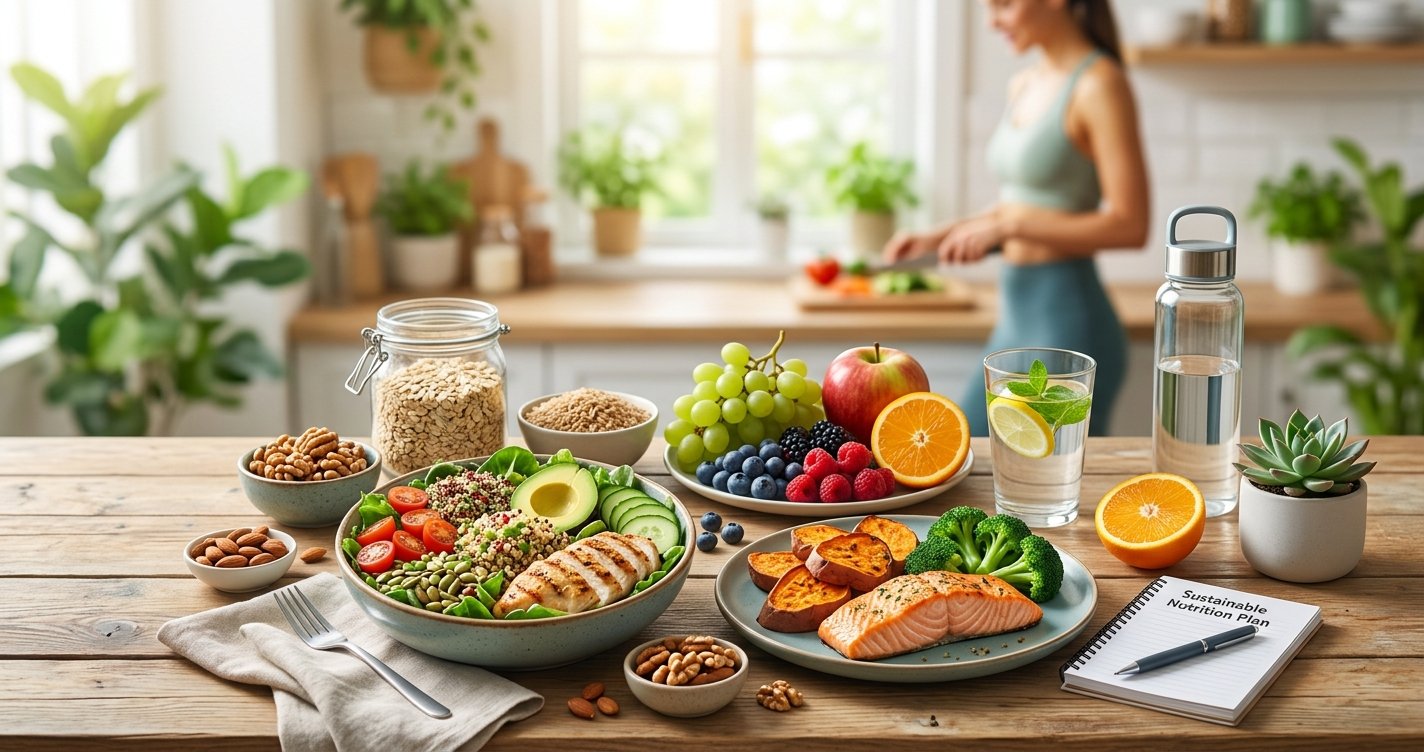
Beyond Fad Diets: Your Ultimate Guide to Sustainable Nutrition for Lasting Fat Loss
Are you tired of the endless cycle of restrictive diets, quick fixes, and the inevitable rebound? You're not alone. Many of us have been down that road, only to find ourselves back where we started, feeling frustrated and defeated. The truth is, sustainable fat loss isn't about deprivation or extreme measures; it's about building a healthy, balanced relationship with food that you can maintain for life. This isn't just about fitting into a smaller size; it's about feeling energized, confident, and truly nourishing your body from the inside out.
Forget the detox teas and the juice cleanses. Real, lasting change comes from understanding the science behind nutrition and implementing practical strategies that fit into your everyday life. In this comprehensive guide, we'll dive deep into the evidence-based principles of sustainable nutrition, helping you ditch the diet mentality and embrace a lifestyle that supports your fat loss goals for good. Get ready to transform your approach to food, health, and ultimately, your body! this excellent wellness product
The Foundation: Understanding Your Calorie Deficit
At its core, fat loss boils down to one fundamental principle: consuming fewer calories than your body expends. This is known as creating a calorie deficit. Think of your body as a car; if you put less fuel in than you burn, eventually, you'll start using the reserves (stored fat) for energy. It sounds simple, but the key is doing it intelligently and sustainably, without feeling starved or deprived.
It's Not About Starvation: Finding Your Sweet Spot
To establish your personal calorie deficit, you first need an estimate of your Total Daily Energy Expenditure (TDEE) – the total number of calories your body burns in a day, including basal metabolic rate (BMR), physical activity, and the thermic effect of food. Online calculators can provide a good starting point. Once you have your TDEE, aim to create a moderate deficit of 300-500 calories per day. This amount is generally considered safe and effective, allowing for steady fat loss (typically 1-2 pounds per week) without negatively impacting your metabolism or energy levels. Remember, drastic cuts often lead to muscle loss, nutrient deficiencies, and make adherence incredibly difficult.
The Power of Protein: Your Fat Loss Ally
If there's one macronutrient you should prioritize for fat loss, it's protein. Protein plays a crucial role in several aspects of body composition and satiety, making it an indispensable tool in your nutrition arsenal.
- Satiety: Protein is incredibly filling. Studies consistently show that a higher protein intake can significantly reduce hunger and keep you feeling fuller for longer, naturally leading to lower calorie intake.
- Muscle Preservation: When you're in a calorie deficit, there's a risk of losing not just fat, but also valuable muscle mass. Adequate protein intake helps to signal your body to hold onto muscle, ensuring that the weight you lose is primarily fat.
- Thermic Effect of Food (TEF): Your body expends energy to digest and metabolize food. Protein has a higher TEF than carbohydrates or fats, meaning you burn more calories simply by eating it.
Aim for roughly 0.7 to 1 gram of protein per pound of your target body weight. Distribute your protein intake throughout the day across all your meals and snacks for optimal benefits. Excellent sources include lean meats, poultry, fish, eggs, dairy (Greek yogurt, cottage cheese), legumes, and tofu.
Embrace Fiber-Rich Carbs and Healthy Fats
While protein takes center stage, don't make the mistake of demonizing carbohydrates or fats. Both are essential for optimal health, energy, and satiety, especially when chosen wisely.
Smart Carbs: Fueling Your Body, Not Just Filling It
Not all carbohydrates are created equal. Focus on complex, fiber-rich carbohydrates over refined sugars and processed grains. Fiber is your friend in fat loss:
- Satiety: Like protein, fiber adds bulk to your meals, promoting feelings of fullness and reducing overall calorie consumption.
- Blood Sugar Control: Fiber slows down the absorption of sugar into your bloodstream, preventing spikes and crashes that can lead to cravings and energy dips.
- Gut Health: A healthy gut microbiome is increasingly linked to overall health and metabolism. Fiber feeds beneficial gut bacteria.
Incorporate plenty of vegetables, fruits, whole grains (oats, quinoa, brown rice, whole-wheat bread), and legumes into your diet. These provide sustained energy, essential vitamins, minerals, and antioxidants.
Don't Fear the Fat: Essential for Health and Satiety
For decades, fat was the enemy, but we now know that healthy fats are crucial for hormone production, nutrient absorption, brain health, and providing sustained energy. They also contribute significantly to satiety, helping you feel satisfied after meals.
The key is choosing the right types of fats and practicing portion control, as fats are calorie-dense. Prioritize monounsaturated and polyunsaturated fats found in avocados, nuts, seeds, olive oil, and fatty fish (like salmon and mackerel). Limit saturated fats and avoid trans fats altogether.
Mastering Portion Control and Mindful Eating
Even with the healthiest foods, overeating can hinder your fat loss progress. Understanding and practicing portion control, combined with mindful eating, can be a game-changer.
- Understand Serving Sizes: Familiarize yourself with standard serving sizes. Use measuring cups and a food scale initially to train your eye. Over time, you'll get better at estimating.
- The Plate Method: A simple visual guide is to fill half your plate with non-starchy vegetables, one-quarter with lean protein, and one-quarter with complex carbohydrates.
- Slow Down: It takes about 20 minutes for your brain to register that your stomach is full. Eating slowly allows your body to catch up, preventing overeating.
- Savor Each Bite: Pay attention to the flavors, textures, and aromas of your food. This enhances enjoyment and helps you feel more satisfied.
- Listen to Your Body: Eat when you're hungry, and stop when you're comfortably full, not stuffed. Distinguish between true physical hunger and emotional eating.
Hydration and Smart Snacking
Often overlooked, these two elements can significantly impact your fat loss journey.
Water: The Unsung Hero of Fat Loss
Adequate hydration is critical. Water plays a role in metabolism, nutrient transport, and can even help manage hunger. Sometimes, what feels like hunger is actually thirst. Aim for at least 8 glasses of water a day, more if you're active or in a hot climate. Keep a water bottle handy and sip throughout the day.
Strategic Snacking for Steady Energy
Snacks can be beneficial for managing hunger between meals, preventing overeating at your next meal, and ensuring consistent energy levels. The trick is to snack smart.
Choose snacks that are balanced with protein and fiber to maximize satiety. Examples include Greek yogurt with berries, a handful of almonds, an apple with a tablespoon of peanut butter, cottage cheese with sliced vegetables, or a hard-boiled egg. Avoid highly processed, sugary snacks that offer little nutritional value and can lead to energy crashes.
Consistency, Patience, and Flexibility: The Long Game
Fat loss is a journey, not a destination, and certainly not a sprint. The most successful transformations are built on consistency, patience, and the understanding that perfection is not required.
- Consistency Over Perfection: It's better to be 80% consistent 100% of the time than 100% perfect 20% of the time. Don't let one 'slip-up' derail your entire week. Get back on track with your next meal.
- Patience is Key: Sustainable fat loss takes time. Your body needs time to adapt, and progress isn't always linear. There will be plateaus and minor fluctuations – this is normal. Focus on long-term trends rather than daily weigh-ins.
- Embrace Flexibility: Life happens. Learn to incorporate treats and social occasions into your plan without guilt. The 80/20 rule (eating healthily 80% of the time and allowing for flexibility 20% of the time) can be a powerful strategy for long-term adherence and mental well-being. This isn't a diet; it's a lifestyle, and a sustainable lifestyle includes enjoyment!
Your Sustainable Path to a Healthier You
Embarking on a journey of sustainable fat loss through nutrition is one of the most empowering decisions you can make for your health. By focusing on a moderate calorie deficit, prioritizing protein, embracing fiber-rich carbs and healthy fats, mastering mindful eating, staying hydrated, and making smart snack choices, you're not just losing weight – you're building a foundation for lifelong wellness.
Remember, this isn't about chasing an arbitrary number on the scale; it's about feeling good in your own skin, having more energy, and cultivating a positive relationship with food. Be patient with yourself, celebrate small victories, and know that every healthy choice you make is a step towards a stronger, healthier, and happier you. You've got this!