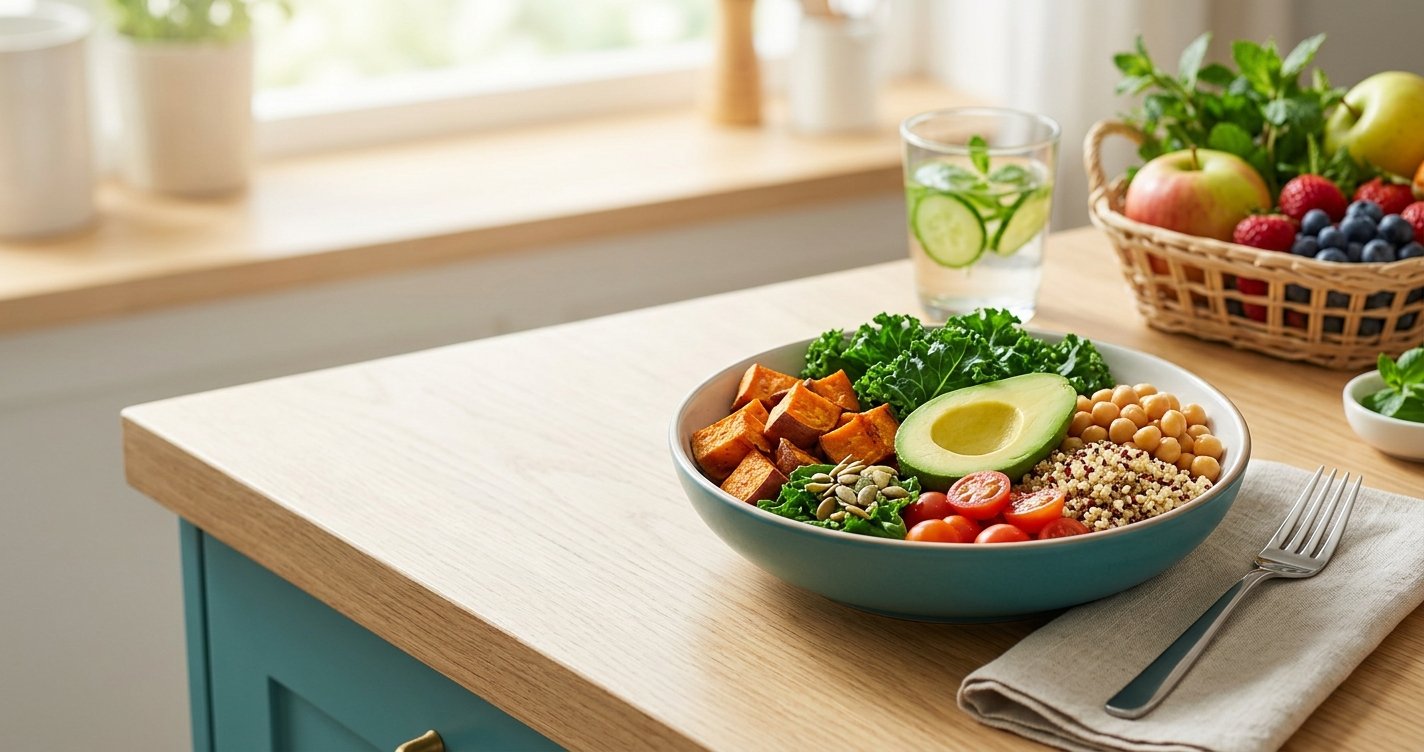
Tired of the Yo-Yo? Discover Sustainable Nutrition for Lasting Fat Loss
Have you ever started a new diet with immense enthusiasm, only to find yourself back where you began (or even further behind) a few months later? You're not alone. The world of fat loss is often riddled with quick fixes, restrictive rules, and unsustainable methods that promise the moon but deliver only frustration. But what if there was a different way? A way that focuses not on deprivation, but on building healthy, enjoyable habits that stick?
This isn't about the latest fad diet. It's about empowering you with evidence-based, friendly, and practical nutrition strategies that help you achieve sustainable fat loss and maintain it for life. We're talking about real change, real food, and real results that last. this excellent wellness product
Why Fad Diets Fail (And What to Do Instead)
Let's be honest: those extreme diets promising rapid weight loss can be tempting. Cutting out entire food groups, surviving on shakes, or drastically reducing calories might show initial results, but they come at a cost. They often lead to nutrient deficiencies, intense cravings, social isolation, and a damaged relationship with food. More importantly, they're simply not sustainable.
Lack of Sustainability: Who wants to eat only grapefruit or drink only juice forever? These diets are temporary by nature.
Metabolic Adaptation: Extreme restriction can slow your metabolism, making it harder to lose weight in the long run.
Rebound Weight Gain: Once you stop the restrictive diet, your body often overcompensates, leading to rapid weight regain, sometimes more than you lost.
The solution? Shift your focus from a temporary 'diet' to a permanent 'lifestyle change.' This means adopting habits you can genuinely enjoy and stick with, day in and day out, for years to come.
The Cornerstone: Calorie Awareness, Not Obsession
At its core, fat loss comes down to creating a calorie deficit – consuming fewer calories than your body burns. While this might sound daunting, it doesn't mean meticulously counting every single calorie for the rest of your life. It means developing an awareness of what you're eating.
Understanding Your Energy Balance
Estimate Your Needs: Online calculators can give you a rough idea of your daily calorie expenditure. Aim for a modest deficit (e.g., 300-500 calories below maintenance) for sustainable loss.
Portion Control: This is where awareness truly shines. Learn what a healthy portion size looks like. Use your hand as a guide: a palm-sized portion of protein, a cupped hand of carbs, two cupped hands of vegetables, a thumb-sized portion of fats. Over time, this becomes intuitive.
Brief Tracking (Optional but Recommended): For a week or two, using a food tracking app can be incredibly insightful. It helps you understand the calorie density of different foods and where your usual intake might be higher than you think. This isn't about long-term tracking, but about education.
Remember, this is about understanding, not becoming a slave to numbers. Once you grasp the basics, you can apply them flexibly.
Prioritize Protein: Your Satiety & Muscle Ally
If there's one macronutrient to prioritize for fat loss, it's protein. Research consistently shows that a higher protein intake can significantly aid your fat loss journey in several ways:
Increased Satiety: Protein keeps you feeling fuller for longer, reducing cravings and overall calorie intake. Think about how much more satisfied you feel after a chicken breast compared to a sugary donut.
Muscle Preservation: When you're in a calorie deficit, your body can break down muscle tissue for energy. Adequate protein intake helps preserve precious muscle, which is crucial because muscle burns more calories at rest than fat.
Higher Thermic Effect: Your body expends more energy digesting protein than it does fats or carbohydrates. This means you burn a few extra calories just by eating protein-rich foods!
Simple Ways to Boost Your Protein
Include a lean protein source with every meal: chicken, turkey, fish, lean beef, eggs, Greek yogurt, cottage cheese, tofu, lentils, beans.
Opt for protein-rich snacks: a handful of almonds, a hard-boiled egg, or a protein shake.
Embrace Whole Foods: Fueling Your Body Right
While calorie awareness is foundational, the quality of those calories matters immensely. Focusing on whole, unprocessed foods is a game-changer for fat loss and overall health.
Nutrient Density: Whole foods (fruits, vegetables, whole grains, lean proteins, healthy fats) are packed with vitamins, minerals, and antioxidants that support your body's functions and energy levels.
Fiber Power: Vegetables, fruits, and whole grains are rich in fiber. Fiber adds bulk to your meals, promoting satiety and aiding digestion, further helping with calorie control.
Natural Satiety Cues: Whole foods often require more chewing and take longer to digest, giving your body time to register fullness before you overeat.
Conversely, highly processed foods (sugary drinks, fast food, packaged snacks) are often calorie-dense but nutrient-poor. They're designed to be hyper-palatable, making it easy to overconsume without feeling satisfied.
Making the Switch
Fill half your plate with non-starchy vegetables at every meal.
Choose whole grains (oats, quinoa, brown rice, whole wheat bread) over refined grains.
Opt for fresh fruit instead of fruit juice or sugary desserts.
Hydration and Mindful Eating: Often Overlooked Superpowers
These two habits might seem simple, but their impact on fat loss is profound.
Stay Hydrated
Often, what feels like hunger is actually thirst. Drinking plenty of water throughout the day can:
Reduce Hunger Pangs: Water can help fill your stomach and reduce feelings of hunger, especially before meals.
Boost Metabolism: While not a miracle cure, staying well-hydrated supports optimal metabolic function.
Improve Energy: Dehydration can lead to fatigue, which can be mistaken for a need for food.
Aim for 8 glasses (around 2 liters) of water daily, and more if you're active.
Practice Mindful Eating
In our busy lives, we often eat quickly, distracted by screens or tasks. Mindful eating encourages you to slow down and truly experience your food:
Pay Attention: Notice the colors, textures, and smells of your food. Chew slowly and savor each bite.
Listen to Your Body: Eat when you're hungry, and stop when you're comfortably full, not stuffed. Learn to distinguish between physical hunger and emotional eating.
Eliminate Distractions: Turn off the TV, put away your phone, and focus on your meal.
This practice helps you enjoy your food more and naturally consume fewer calories.
Smart Snacking and Strategic Indulgences
Snacks aren't inherently bad! They can be a valuable tool to manage hunger and prevent overeating at main meals, provided you choose wisely.
Healthy Snack Ideas
Greek yogurt with berries
Apple slices with a tablespoon of nut butter
A handful of nuts or seeds
Vegetable sticks with hummus
A hard-boiled egg
And what about those cravings for treats? This is where the 80/20 rule comes in. Aim to eat healthily 80% of the time, and allow yourself 20% flexibility for occasional indulgences. This isn't a license to binge, but a realistic approach that prevents feelings of deprivation and makes your eating plan sustainable long-term. A small piece of chocolate or a slice of pizza occasionally won't derail your progress if your overall habits are strong.
Consistency Over Perfection: The Marathon, Not the Sprint
Fat loss isn't a linear journey. There will be days when you make perfect choices, and days when you slip up. This is absolutely normal! The key is to not let a single misstep turn into a complete abandonment of your goals.
Embrace Imperfection: Don't strive for 100% perfection; strive for consistency. One 'bad' meal doesn't ruin your progress, just as one 'good' meal doesn't make you instantly lean.
Learn and Adjust: If you find yourself consistently struggling with certain foods or situations, reflect on why. Can you plan better? Find healthier alternatives? This is a learning process.
Be Patient and Kind to Yourself: Sustainable fat loss takes time. Celebrate small victories, acknowledge your efforts, and treat yourself with the same compassion you'd offer a friend.
Your Journey to Lasting Fat Loss Starts Now
Ditching the restrictive diets and embracing sustainable nutrition is the most powerful step you can take towards lasting fat loss and a healthier, happier you. It's about building habits that support your body, satisfy your mind, and integrate seamlessly into your life.
Start small. Pick one or two strategies from this guide and focus on implementing them consistently. Maybe it's adding protein to every meal, or drinking more water, or practicing mindful eating. As these habits become second nature, gradually add more. Remember, every positive step, no matter how small, moves you closer to your goals. You've got this!