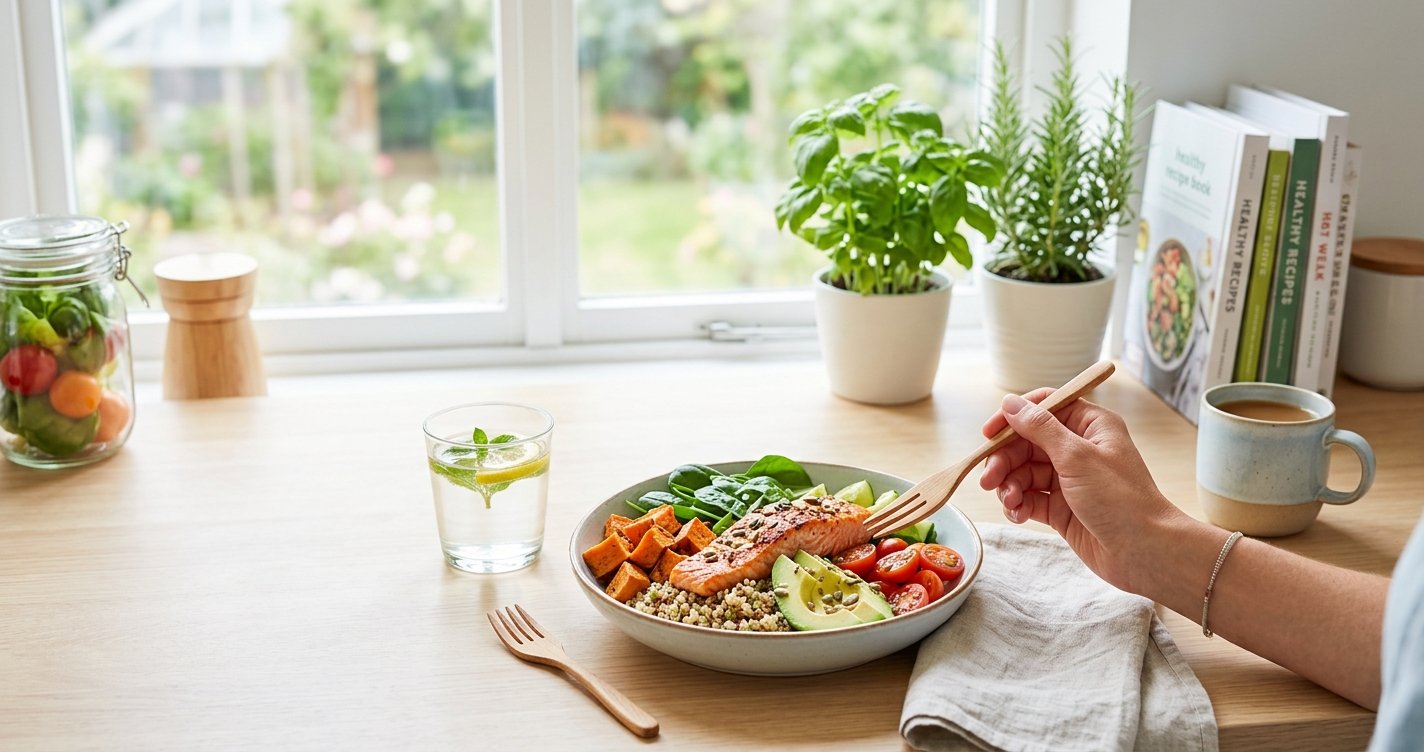
Are you tired of the endless cycle of restrictive diets, quick fixes, and the inevitable rebound? If so, you’re not alone. Many people embark on a fat loss journey with enthusiasm, only to find themselves frustrated and defeated by unsustainable methods. The good news? True, lasting fat loss isn't about deprivation; it's about building smart, sustainable nutrition habits that nourish your body, energize your life, and finally help you shed those stubborn pounds for good. Let's dive into an evidence-based approach that puts your well-being first.
The Problem with Quick Fixes: Why Sustainability Matters
The diet industry often sells the allure of rapid results, promising dramatic fat loss in a matter of weeks. While some highly restrictive diets might deliver initial weight loss, they rarely lead to long-term success. Why? Because they're often: this excellent wellness product
- Too Restrictive: Eliminating entire food groups or drastically cutting calories can lead to nutrient deficiencies, intense cravings, and a feeling of deprivation.
- Unsustainable: Who can realistically stick to a liquid-only diet or eat only one type of food for months on end? Life happens, and these diets don't fit into a normal social or family life.
- Detrimental to Metabolism: Extreme calorie restriction can slow your metabolism, making it harder to lose fat and easier to regain weight once you stop the diet.
- Emotionally Draining: The constant battle against hunger and cravings can lead to stress, guilt, and a negative relationship with food.
Our focus here is different. We're talking about a lifestyle change that empowers you, rather than restricts you. A path to fat loss that builds a healthier, happier you from the inside out.
Understanding the Core Principle: The Calorie Deficit
At its heart, fat loss comes down to one fundamental principle: consuming fewer calories than your body expends. This is known as a calorie deficit. When you create this deficit, your body turns to its stored fat for energy, leading to fat loss. However, the *quality* of those calories makes all the difference in achieving sustainable results.
Instead of just eating less, we aim to eat *smarter*. This means prioritizing nutrient-dense foods that keep you feeling full, satisfied, and energized, even while in a deficit. Think of it as fueling your body efficiently, not starving it.
The Power of Protein: Your Best Friend for Fat Loss
If there's one macronutrient you should prioritize for fat loss, it's protein. Here's why:
- Satiety Superstar: Protein is incredibly filling. Including adequate protein in your meals helps you feel fuller for longer, reducing the likelihood of overeating or snacking on less nutritious options.
- Muscle Preservation: When you're in a calorie deficit, your body might break down muscle along with fat. Protein helps to preserve your precious muscle mass, which is crucial because muscle burns more calories at rest than fat does.
- Higher Thermic Effect: Your body expends more energy digesting and metabolizing protein compared to fats or carbohydrates. This means you burn a few extra calories just by eating it!
How to include more protein: Aim for a lean protein source at every meal. Think chicken breast, turkey, lean beef, fish, eggs, Greek yogurt, cottage cheese, tofu, lentils, and protein powder.
Fiber Up: The Unsung Hero of Satiety and Gut Health
Often overlooked, dietary fiber plays a vital role in sustainable fat loss. Found abundantly in fruits, vegetables, whole grains, and legumes, fiber offers a host of benefits:
- Enhanced Satiety: Fiber adds bulk to your meals, helping you feel full and satisfied without adding many calories. Soluble fiber, in particular, forms a gel in your stomach, slowing digestion.
- Stable Blood Sugar: Fiber helps regulate blood sugar levels, preventing spikes and crashes that can lead to cravings and energy dips.
- Improved Digestion & Gut Health: A healthy gut is increasingly linked to overall health and metabolism. Fiber keeps your digestive system running smoothly.
How to boost your fiber intake: Load up on non-starchy vegetables (broccoli, spinach, bell peppers), berries, apples, oats, quinoa, brown rice, beans, and lentils.
Smart Carb Choices: Fueling Your Body Right
Carbohydrates have gotten a bad rap in some diet circles, but they are your body's primary energy source. The key is choosing the *right* kind of carbs:
- Complex Carbohydrates: These are whole, unprocessed carbs that contain fiber, leading to slower digestion and sustained energy release. Examples include whole grains (oats, quinoa, brown rice), sweet potatoes, and root vegetables.
- Simple Carbohydrates: Found in sugary drinks, refined grains (white bread, pastries), and candies, these offer quick energy but can lead to blood sugar spikes and subsequent crashes, leaving you hungry again soon.
Don't fear carbs; learn to choose them wisely. Prioritize complex carbs, especially around workouts, to fuel your activity and recovery.
Healthy Fats: Don't Fear the Good Stuff
Just like carbs, fats have been unfairly demonized. Healthy fats are essential for hormone production, nutrient absorption (especially fat-soluble vitamins like A, D, E, and K), and provide a concentrated source of energy. They also contribute to satiety.
Focus on unsaturated fats and limit saturated and trans fats. Healthy fat sources include:
- Avocado
- Nuts and seeds (almonds, walnuts, chia seeds, flaxseeds)
- Olive oil
- Fatty fish (salmon, mackerel)
While healthy, fats are calorie-dense, so moderation is key for fat loss. A small handful of nuts or a drizzle of olive oil is often enough.
Hydration and Mindful Eating: The Overlooked Essentials
Stay Hydrated
Water is crucial for virtually every bodily function, including metabolism. Sometimes, your body can confuse thirst with hunger, leading you to eat when you actually just need a glass of water. Aim for at least 8 glasses of water a day, and even more if you're active.
Practice Mindful Eating
This is a game-changer for sustainable fat loss. Instead of rushing through meals or eating in front of a screen, try to:
- Eat Slowly: It takes about 20 minutes for your brain to register that you're full.
- Pay Attention: Notice the flavors, textures, and aromas of your food.
- Listen to Your Body: Eat when you're hungry, stop when you're satisfied, not stuffed.
- Avoid Distractions: Turn off the TV, put away your phone.
Mindful eating helps you truly enjoy your food and recognize your body's signals, preventing overeating.
Meal Planning and Preparation: Your Roadmap to Success
Failing to plan is planning to fail, especially when it comes to nutrition. Meal planning and preparation can:
- Save Time and Money: Fewer last-minute takeout orders.
- Ensure Nutrient-Dense Meals: You control the ingredients and portions.
- Reduce Decision Fatigue: No more wondering what to eat when hunger strikes.
Dedicate some time each week to plan your meals and snacks. Prepare ingredients in advance, cook larger batches, and portion them out. This proactive approach significantly increases your chances of sticking to your sustainable fat loss goals.
Consistency Over Perfection: Building Lasting Habits
Remember, sustainable fat loss is a marathon, not a sprint. There will be days when you make less-than-optimal choices, and that's perfectly okay. Don't let one slip-up derail your entire journey. The key is consistency over perfection.
Focus on building small, manageable habits that you can stick with long-term. Instead of trying to overhaul everything at once, pick one or two areas to improve each week. Celebrate your progress, learn from your setbacks, and keep moving forward. Your journey is unique, and patience with yourself is paramount.
Your Sustainable Path Forward
Embarking on a sustainable nutrition journey for fat loss means leaving behind the frustration of crash diets and embracing a balanced, evidence-based approach. By prioritizing protein, fiber, smart carbs, and healthy fats, staying hydrated, practicing mindful eating, and planning your meals, you're not just losing weight; you're building a healthier, more vibrant life. This isn't just about fitting into a smaller size; it's about feeling energized, confident, and empowered by your choices. Start today, one sustainable habit at a time, and watch as you transform your body and your relationship with food for good.