Are you tired of the endless cycle of restrictive diets, quick fixes, and the inevitable rebound? You're not alone! In a world saturated with fleeting trends promising instant results, it's easy to feel lost and frustrated on your fat loss journey. But what if there was a better way – a path that focuses on nourishing your body, building sustainable habits, and achieving lasting results without deprivation?
Welcome to the world of sustainable nutrition for fat loss! This isn't about rigid rules or extreme sacrifices; it's about understanding your body, making informed choices, and fostering a healthy relationship with food that supports your goals for the long haul. Let's ditch the diet mentality and embrace a friendly, evidence-based approach that empowers you to shed fat, boost energy, and truly thrive. this excellent wellness product
Why Fad Diets Fail (And What Works Instead)
Before diving into sustainable strategies, let's briefly touch on why so many popular fad diets often fall short. They typically involve:
- Extreme Restriction: Eliminating entire food groups or severely cutting calories, leading to nutrient deficiencies and intense cravings.
- Lack of Sustainability: Such stringent rules are nearly impossible to maintain in real-life social situations, leading to feelings of failure.
- Metabolic Slowdown: Drastic calorie cuts can signal your body to conserve energy, potentially slowing your metabolism over time.
- The Rebound Effect: Once the diet ends, old habits often return, and the weight (and often more) comes back, creating a disheartening cycle.
Instead of chasing the next quick fix, our focus will be on creating a balanced, flexible, and enjoyable eating pattern that you can stick with indefinitely. This means understanding fundamental nutritional principles and applying them to your unique lifestyle.
The Cornerstone of Fat Loss: Understanding Your Caloric Needs
At its heart, fat loss boils down to one primary principle: creating a sustainable caloric deficit. This means consistently consuming slightly fewer calories than your body burns over time. Your body then taps into its stored fat for energy.
But how do you figure out your caloric needs? While precise calculations can be complex, you can estimate your Basal Metabolic Rate (BMR – calories burned at rest) and then factor in your activity level to get your Total Daily Energy Expenditure (TDEE). Online calculators can give you a good starting point. From there, aim for a moderate deficit of 250-500 calories per day. This gradual reduction allows for steady fat loss (typically 0.5 to 1 pound per week) without triggering extreme hunger or metabolic slowdown. Remember, slow and steady wins the race when it comes to sustainable fat loss.
Power Up with Protein: Your Muscle-Preserving Ally
If there's one macronutrient that deserves superstar status in your fat loss journey, it's protein. Here's why:
- Satiety Superpower: Protein is incredibly filling. Including adequate protein in your meals helps you feel fuller for longer, reducing overall calorie intake and curbing those pesky cravings.
- Muscle Preservation: When you're in a caloric deficit, your body can sometimes break down muscle tissue for energy. A higher protein intake helps to signal your body to preserve precious muscle mass, which is crucial because muscle burns more calories at rest than fat does.
- Thermic Effect of Food (TEF): Protein has a higher TEF than carbohydrates or fats, meaning your body expends more energy digesting and metabolizing it.
Aim to include a lean protein source at every meal. Excellent options include chicken breast, turkey, fish, lean beef, eggs, Greek yogurt, cottage cheese, tofu, tempeh, and legumes.
Embrace Fiber: The Satiety Secret Weapon
Fiber is another unsung hero in the world of fat loss and overall health. Found abundantly in plant-based foods, fiber offers multiple benefits:
- Increased Fullness: Soluble fiber absorbs water and forms a gel-like substance in your digestive tract, slowing digestion and promoting a prolonged feeling of fullness.
- Digestive Health: Insoluble fiber adds bulk to your stool, aiding in regular bowel movements and contributing to a healthy gut microbiome.
- Blood Sugar Regulation: Fiber helps to slow the absorption of sugar into your bloodstream, preventing sharp spikes and crashes that can lead to increased hunger and energy slumps.
Load up on fiber-rich foods like fruits (berries, apples, pears), vegetables (broccoli, spinach, carrots), whole grains (oats, quinoa, brown rice), and legumes (lentils, beans, chickpeas).
Smart Carbs & Healthy Fats: Fueling Your Body Right
Carbohydrates and fats often get a bad rap in diet culture, but they are essential for energy, hormone production, and nutrient absorption. The key is choosing the right types and quantities.
Smart Carbohydrates:
Focus on complex carbohydrates, which are rich in fiber and nutrients, and provide sustained energy release. Think whole grains, starchy vegetables (sweet potatoes, corn), and fruits. Limit refined carbohydrates like white bread, sugary cereals, and pastries, which offer little nutritional value and can lead to energy crashes and increased hunger.
Healthy Fats:
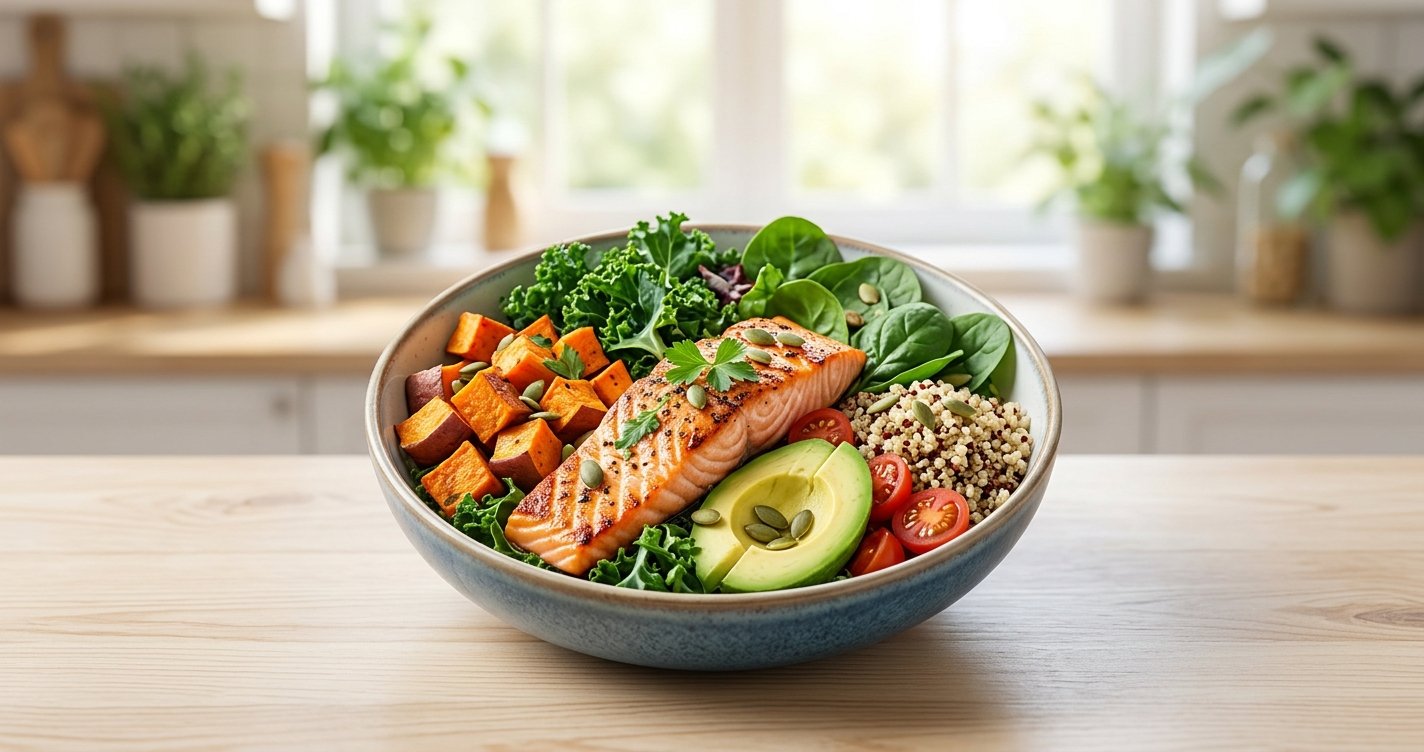
Fats are vital for hormone production, nutrient absorption (especially fat-soluble vitamins A, D, E, K), and satiety. Prioritize unsaturated fats found in avocados, nuts, seeds, olive oil, and fatty fish (like salmon and mackerel, which are also rich in omega-3s). While healthy, fats are calorie-dense, so moderation is key for fat loss. A small handful of nuts or a drizzle of olive oil can go a long way.
The Art of Mindful Eating and Portion Control
Even with the healthiest foods, overeating can hinder fat loss. This is where mindful eating comes in – a powerful practice that helps you reconnect with your body's natural hunger and fullness cues.
- Eat Slowly: It takes about 20 minutes for your stomach to signal your brain that it's full. Slowing down allows your body to register satiety.
- Pay Attention: Minimize distractions like TV or your phone. Focus on the taste, texture, and aroma of your food.
- Listen to Your Body: Eat when you're truly hungry, not just bored or stressed. Stop when you're comfortably full, not stuffed.
- Portion Awareness: While you don't need to meticulously count every calorie, becoming aware of appropriate portion sizes for different foods can be incredibly helpful. Use smaller plates, measure out calorie-dense items, and visualize recommended serving sizes.
Mindful eating cultivates a healthier, more intuitive relationship with food, moving away from restrictive rules towards genuine self-awareness.
Preparation is Key: Meal Planning for Success
In our busy lives, convenience often trumps health. This is where meal planning and preparation become your secret weapon for sustainable fat loss. By planning ahead, you:
- Reduce Impulse Choices: Less likely to grab unhealthy takeout when a nutritious, pre-prepared meal is waiting.
- Control Ingredients: You know exactly what's going into your food, avoiding hidden sugars, unhealthy fats, and excessive sodium.
- Save Time and Money: Bulk cooking can be more efficient and cost-effective than daily meal prep or eating out.
- Ensure Consistency: Sticking to your nutritional goals becomes much easier when you have a clear plan.
Start by planning your meals for a few days, or even the entire week. Create a grocery list based on your plan, and dedicate a couple of hours to prepping ingredients or cooking entire meals in advance. Healthy snacks like fruit, yogurt, nuts, or veggie sticks should also be part of your plan.
Consistency and Patience: The Real Long Game
Sustainable fat loss is not a sprint; it's a marathon. There will be days when you're perfectly on track, and days when you slip up. That's absolutely normal! The key is consistency over perfection.
- Don't Get Discouraged by Setbacks: One 'off' meal or day doesn't ruin your progress. Acknowledge it, learn from it, and get back on track with your next meal.
- Celebrate Small Wins: Focus on non-scale victories like increased energy, better sleep, improved mood, or clothes fitting better.
- Be Patient: Fat loss takes time, and it's rarely linear. Trust the process, stay consistent with your healthy habits, and the results will follow.
Remember, the goal isn't just to lose weight; it's to build a healthier, stronger, and more vibrant you – inside and out.
Embrace Your Journey to Lasting Health
Embarking on a journey of sustainable nutrition for fat loss is one of the most empowering decisions you can make for your health. By focusing on whole, nutrient-dense foods, understanding your caloric needs, prioritizing protein and fiber, practicing mindful eating, and planning ahead, you're not just losing weight – you're building a foundation for lifelong wellness.
This isn't about deprivation; it's about abundance – an abundance of energy, vitality, and a renewed sense of confidence. Start small, make one positive change today, and watch as these sustainable habits transform not just your body, but your entire life. You've got this!