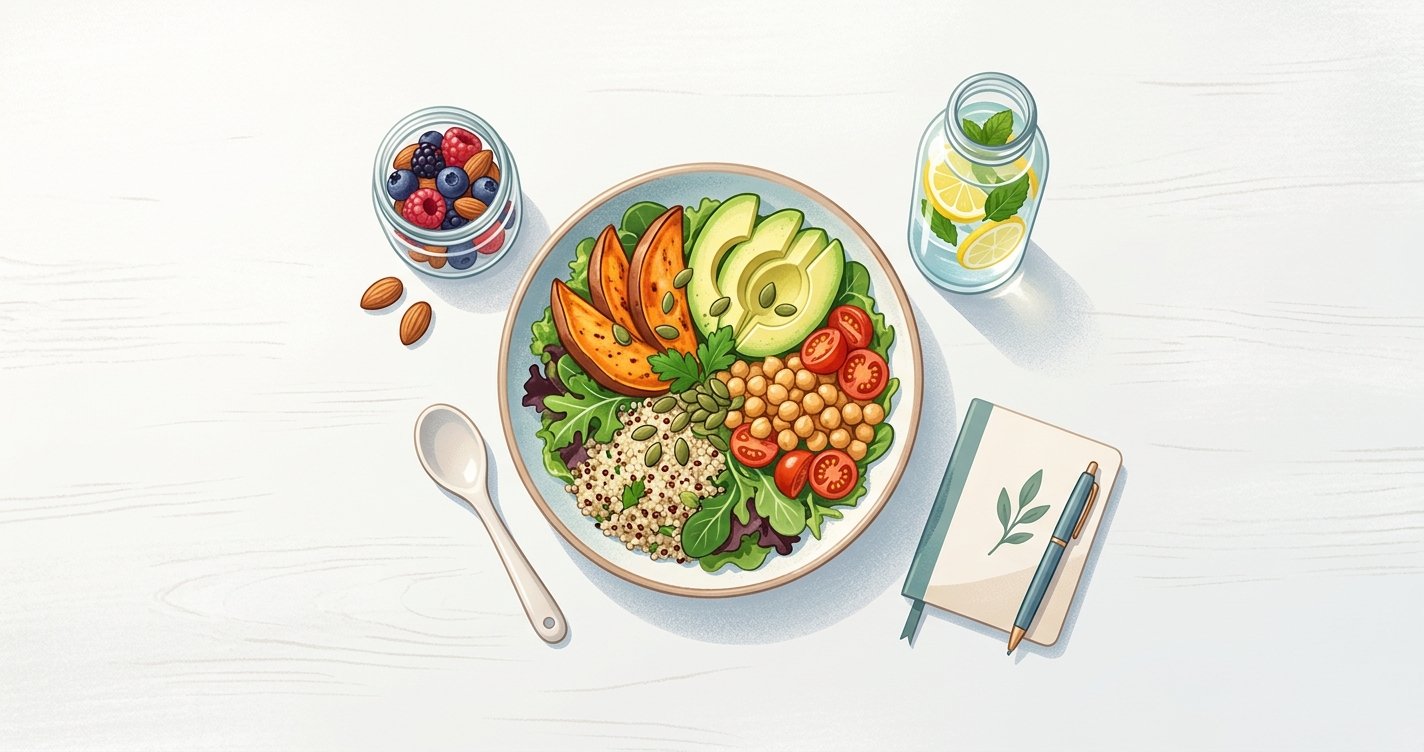
Tired of the endless cycle of crash diets, rapid weight loss, and inevitable rebound? You're not alone. The journey to fat loss can often feel like a frustrating rollercoaster, leaving many feeling defeated and confused. But what if we told you there’s a better way – a sustainable, evidence-based path that focuses on nourishing your body, not depriving it? Welcome to the world of sustainable nutrition for lasting fat loss.
This isn't about quick fixes or magic pills. It's about understanding your body, making smart, consistent choices, and building habits that will serve you for life. Forget the restrictive rules and embrace an approach that is friendly, flexible, and fundamentally focused on your long-term health and well-being. Let's dive in and unlock the secrets to a leaner, healthier you, without the struggle! this excellent wellness product
The Unshakeable Foundation: Understanding Energy Balance
At its core, fat loss boils down to one fundamental principle: energy balance. To lose fat, you need to consistently consume slightly fewer calories than your body burns. This creates a 'caloric deficit,' prompting your body to tap into its stored fat reserves for energy.
It's Not Just About CICO, But It's Crucial
While 'Calories In, Calories Out' (CICO) is the scientific bedrock, it's not the whole story. The quality of those calories, your macronutrient breakdown, and lifestyle factors all play crucial roles. However, ignoring the deficit makes sustainable fat loss virtually impossible.
How to Estimate Your Caloric Needs
You can estimate your daily caloric needs using various online calculators that factor in your age, gender, weight, height, and activity level. These will give you a Basal Metabolic Rate (BMR) – the calories your body burns at rest – and a Total Daily Energy Expenditure (TDEE) – your BMR plus activity. For fat loss, aim for a modest deficit of 300-500 calories below your TDEE. This allows for consistent progress without feeling overly deprived or risking muscle loss.
Prioritizing Protein: Your Fat Loss Superpower
If there's one macronutrient that deserves star billing in your fat loss journey, it's protein. It's incredibly effective for satiety, muscle preservation, and even burns more calories during digestion.
Why Protein Reigns Supreme for Satiety
Protein is the most satiating macronutrient, meaning it helps you feel fuller for longer. This is crucial when you're in a caloric deficit, as it reduces cravings and prevents overeating. Studies consistently show that higher protein diets lead to better adherence and results in fat loss.
Preserving Muscle Mass During Fat Loss
When you lose weight, you want to maximize fat loss and minimize muscle loss. Protein plays a vital role in this by providing the building blocks for muscle repair and growth, especially when combined with resistance training. Maintaining muscle mass is not only important for strength and metabolism but also for achieving a toned physique.
Excellent Protein Sources:
- Lean Meats: Chicken breast, turkey, lean beef, pork tenderloin
- Fish: Salmon, cod, tuna, tilapia
- Eggs: Whole eggs are a complete protein source
- Dairy: Greek yogurt, cottage cheese, milk
- Legumes: Lentils, beans, chickpeas
- Plant-based: Tofu, tempeh, edamame, protein powder
Aim for 0.7-1 gram of protein per pound of your target body weight daily, spread across your meals.
Smart Carbs and Healthy Fats: Fueling Your Body Wisely
Carbohydrates and fats have often been demonized in diet culture, but they are essential for your health and energy. The key is choosing the right types and quantities.
Choosing Quality Carbohydrates for Energy and Fiber
Carbohydrates are your body's primary energy source. Opt for complex carbohydrates rich in fiber, which digest slowly, provide sustained energy, and help regulate blood sugar levels. Avoid highly processed, sugary carbs that offer little nutritional value and lead to energy crashes.
Good Carb Choices:
- Whole Grains: Oats, brown rice, quinoa, whole-wheat bread
- Fruits: Berries, apples, bananas, oranges
- Vegetables: Broccoli, spinach, sweet potatoes, bell peppers
The Role of Healthy Fats in Hormonal Balance and Satiety
Fats are crucial for hormone production, nutrient absorption, and provide a concentrated source of energy. Healthy fats also contribute to satiety, making your meals more satisfying. However, remember they are calorie-dense, so moderation is key.
Healthy Fat Sources:
- Avocado
- Nuts and Seeds: Almonds, walnuts, chia seeds, flax seeds
- Olive Oil, Coconut Oil
- Fatty Fish: Salmon, mackerel
Aim for 20-30% of your daily calories from healthy fats.
Fiber and Hydration: The Unsung Heroes of Fat Loss
These two often-overlooked elements are absolute game-changers for anyone pursuing sustainable fat loss.
The Power of Fiber for Fullness and Gut Health
Fiber adds bulk to your meals without adding significant calories, promoting a feeling of fullness. It also aids digestion, helps stabilize blood sugar, and supports a healthy gut microbiome, which is increasingly linked to weight management.
Boost Your Fiber Intake With:
- Fruits and Vegetables (especially with skin on)
- Legumes (beans, lentils)
- Whole Grains
Why Water is Your Weight Loss Ally
Staying well-hydrated is fundamental. Water can help you feel full, sometimes reducing the urge to snack unnecessarily. It's also vital for all metabolic processes, including fat metabolism. Often, thirst is mistaken for hunger, so sip water throughout the day.
Mindful Eating: Connecting with Your Body's Signals
Sustainable fat loss isn't just about what you eat, but how you eat. Mindful eating practices can transform your relationship with food and prevent overeating.
Slow Down and Savor
Eating slowly allows your body to register fullness signals. It takes about 20 minutes for your stomach to tell your brain it's full. Put your fork down between bites, chew thoroughly, and truly taste your food.
Recognizing True Hunger vs. Cravings
Learn to differentiate between physical hunger (a growling stomach, low energy) and emotional hunger or cravings (triggered by boredom, stress, or habits). When a craving hits, pause, drink some water, and ask yourself if you're truly hungry.
Practical Tips for Mindful Eating:
- Eat without distractions (no TV, phone, or computer).
- Use smaller plates to manage portion sizes visually.
- Pay attention to the colors, textures, and smells of your food.
- Stop when you're satisfied, not stuffed.
Meal Planning and Preparation: Setting Yourself Up for Success
In a busy world, planning is your secret weapon against impulsive, unhealthy food choices.
Why Plan? Reducing Decision Fatigue
When you're hungry and tired, your willpower is low. Having a plan for your meals and snacks eliminates decision fatigue and ensures you have healthy options readily available.
Simple Strategies for Meal Prep:
- Batch Cook: Prepare large quantities of protein (chicken, lentils), grains (quinoa, brown rice), and roasted vegetables at the beginning of the week.
- Portion Out: Divide your cooked meals into individual containers for easy grab-and-go lunches and dinners.
- Smart Grocery Shopping: Make a list and stick to it, focusing on whole, unprocessed foods.
- Healthy Snacks: Keep fruits, nuts, Greek yogurt, or veggie sticks on hand to avoid unhealthy temptations.
Beyond the Plate: Lifestyle Factors that Impact Fat Loss
Nutrition is paramount, but it doesn't operate in a vacuum. Other lifestyle elements significantly influence your body's ability to lose fat.
The Crucial Role of Sleep
Lack of sleep disrupts hormones that regulate hunger and satiety (ghrelin and leptin), making you hungrier and more prone to cravings. Aim for 7-9 hours of quality sleep per night to support your fat loss efforts.
Stress Management for Hormonal Balance
Chronic stress elevates cortisol levels, a hormone that can promote fat storage, especially around the belly. Incorporate stress-reducing activities like meditation, yoga, spending time in nature, or hobbies you enjoy.
The Importance of Movement (Not Just Exercise)
While structured exercise is beneficial, increasing your overall daily movement (NEAT - Non-Exercise Activity Thermogenesis) can significantly contribute to your caloric expenditure. Take the stairs, walk more, stand up frequently – every bit counts!
Embrace the Journey to Lasting Fat Loss
Sustainable fat loss is a marathon, not a sprint. It's about consistency, patience, and making gradual, manageable changes that you can stick with for the long haul. Forget the allure of rapid results and instead, focus on nourishing your body with nutrient-dense foods, listening to its signals, and embracing a holistic approach to health.
You have the power to transform your body and your relationship with food. Be kind to yourself, celebrate small victories, and remember that every healthy choice moves you closer to your goals. Here's to a healthier, happier, and more sustainable you!