Beyond Crash Diets: Your Friendly Guide to Sustainable Nutrition for Lasting Fat Loss
Are you tired of the endless cycle of crash diets, restrictive eating, and the disheartening rebound effect? You're not alone. So many of us have been caught in the trap of quick fixes, only to find ourselves back where we started, often feeling worse than before. But what if there was a better way? A way that focuses on nourishing your body, enjoying your food, and creating habits that stick for life? Good news – there is! This guide is your friendly, evidence-based roadmap to understanding sustainable nutrition for fat loss, helping you achieve lasting results without sacrificing your well-being or your sanity.
Forget starvation and deprivation. We're going to explore how smart, sustainable nutrition can help you achieve your fat loss goals, improve your health, and build a positive relationship with food. It’s about making informed choices that feel good and are truly achievable in the long run. this excellent wellness product
Why Most Diets Fail: The Cycle of Restriction and Rebound
Before we dive into what does work, let's briefly understand why so many traditional diets fall short. Extreme calorie restriction, often championed by popular diets, can lead to several undesirable outcomes:
- Nutrient Deficiencies: Severely limiting food groups can mean missing out on essential vitamins, minerals, and macronutrients vital for bodily functions.
- Metabolic Adaptation: Your body is smart. When calories drop too low for too long, your metabolism can slow down to conserve energy, making further fat loss difficult and recovery challenging.
- Muscle Loss: Without adequate protein and resistance training, a significant portion of the weight you lose on a crash diet can be precious muscle mass, which is metabolically active and crucial for long-term health.
- Psychological Toll: Constant hunger, cravings, social isolation, and the feeling of failure can lead to increased stress, emotional eating, and an unhealthy relationship with food. This often culminates in a 'rebound' where you regain lost weight, sometimes more.
The key takeaway? Sustainability is paramount. If a diet isn't something you can realistically maintain for months or even years, it's not a solution for lasting fat loss.
The Foundation: Understanding Your Calorie Deficit (Without Starving!)
At its core, fat loss boils down to one fundamental principle: consuming fewer calories than your body expends. This is known as a calorie deficit. But don't let the word 'deficit' scare you; it doesn't mean starvation!
What is a Calorie Deficit?
Your body needs energy (calories) to function – to breathe, digest food, think, and move. This is your Total Daily Energy Expenditure (TDEE). If you consistently eat fewer calories than your TDEE, your body will tap into its stored energy (fat) to make up the difference, leading to fat loss.
The goal is to create a moderate deficit that promotes steady fat loss without triggering extreme hunger or metabolic slowdown. A good starting point for most people is a deficit of 300-500 calories per day. This typically results in a healthy and sustainable fat loss of 1-2 pounds per week.
Tools for Tracking (If You Choose To)
While not mandatory for everyone, tracking your food intake for a period can be incredibly insightful. It helps you understand the caloric and macronutrient content of the foods you eat regularly. You can use:
- Food Tracking Apps: MyFitnessPal, Cronometer, or LoseIt! are popular choices.
- Food Scales: For accurate portion sizing, especially with calorie-dense foods.
- Mindful Estimation: With practice, you can learn to estimate portions and calories without strict tracking, focusing instead on food choices and hunger cues.
Remember, tracking is a tool to build awareness, not a lifelong prison sentence. Use it to learn, then transition to a more intuitive approach once you understand your body's needs.
Macronutrients Matter: Fueling Your Body for Fat Loss
While calories set the stage, the types of calories (macronutrients) you consume play a crucial role in satiety, muscle preservation, and overall health during fat loss.
Protein: Your Satiety & Muscle Ally
Protein is arguably the most important macronutrient for fat loss. Here's why:
- Satiety: Protein is incredibly filling, helping you feel fuller for longer and reducing cravings.
- Muscle Preservation: Adequate protein intake helps protect your muscle mass while you're in a calorie deficit, ensuring that the weight you lose is primarily fat.
- Thermic Effect: Your body uses more energy to digest protein compared to carbs or fats, slightly boosting your metabolism.
Recommendation: Aim for 1.6-2.2 grams of protein per kilogram of body weight per day (or roughly 0.7-1 gram per pound).
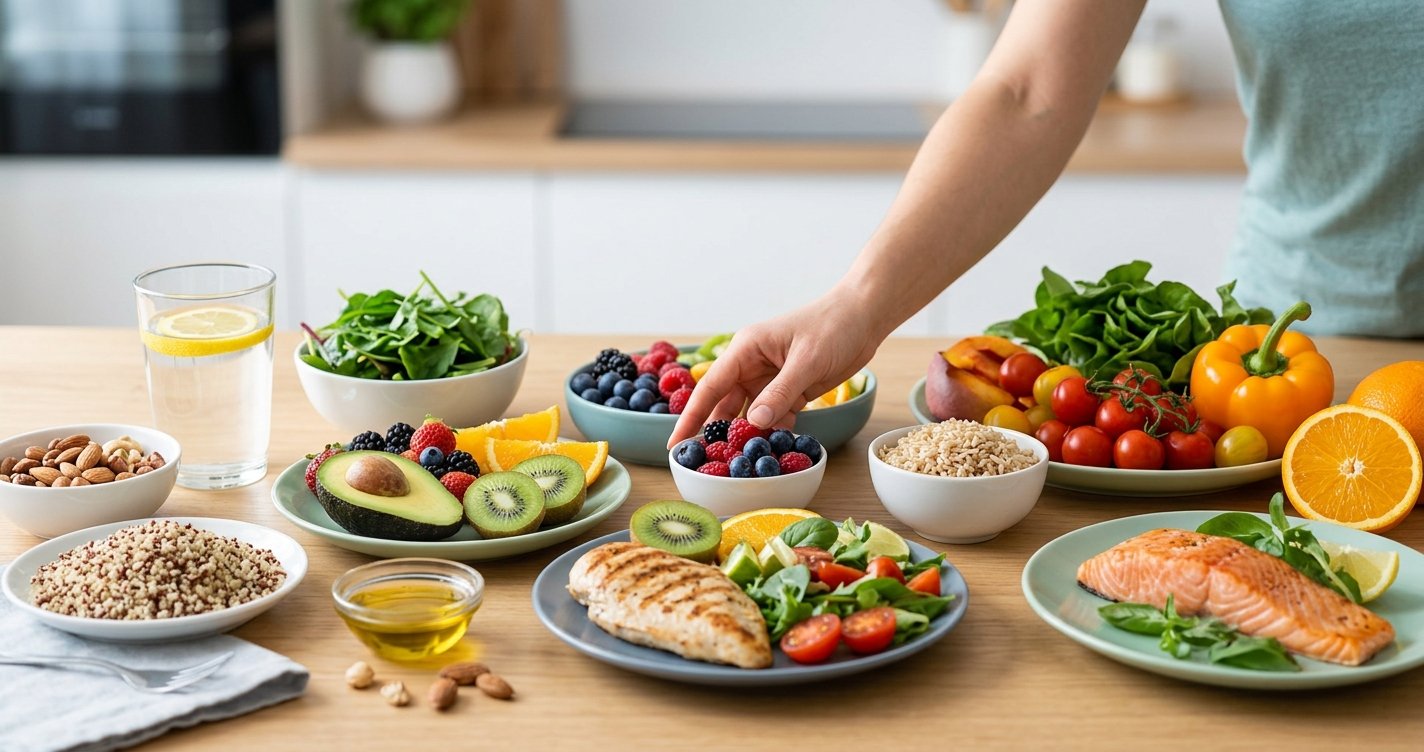
Excellent Sources: Lean meats (chicken, turkey, beef), fish, eggs, dairy (Greek yogurt, cottage cheese), legumes (lentils, beans), tofu, tempeh, and protein powder.
Carbohydrates: Energy for Life
Carbohydrates have often been demonized in the diet world, but they are your body's preferred energy source and vital for overall health, energy levels, and even mood. The key is choosing the right kind.
- Complex Carbs: Rich in fiber, these digest slowly, providing sustained energy, promoting satiety, and supporting gut health.
- Fiber Benefits: Fiber adds bulk to your meals, helping you feel full, and aids in digestion.
Recommendation: Focus on nutrient-dense, complex carbohydrates, especially around your workouts.
Excellent Sources: Whole grains (oats, brown rice, quinoa, whole-wheat bread), fruits, vegetables, and starchy vegetables (sweet potatoes, potatoes).
Fats: Essential for Health & Hormones
Dietary fats are crucial for hormone production, nutrient absorption, and overall cell function. However, they are calorie-dense, so moderation is key, even with healthy fats.
Recommendation: Ensure you get enough healthy fats for bodily functions, but be mindful of portion sizes.
Excellent Sources: Avocados, nuts, seeds (chia, flax, hemp), olive oil, fatty fish (salmon, mackerel), and nut butters.
Beyond Macros: Practical Strategies for Everyday Success
Understanding the science is great, but applying it practically is where the magic happens. Here are some actionable strategies:
Prioritize Whole, Unprocessed Foods
This is perhaps the most impactful change you can make. Whole foods (fruits, vegetables, lean proteins, whole grains) are naturally nutrient-dense, higher in fiber, and generally lower in added sugars, unhealthy fats, and artificial ingredients. They keep you feeling full and satisfied on fewer calories.
Hydration is Key
Often overlooked, drinking enough water is crucial for fat loss and overall health. Water helps with metabolism, can reduce feelings of hunger (sometimes thirst is mistaken for hunger), and keeps your body functioning optimally. Aim for at least 8 glasses a day, and more if you're active.
Mindful Eating: Listen to Your Body
Slow down. Pay attention to your food. Savor the flavors and textures. Mindful eating involves:
- Eating Slowly: It takes about 20 minutes for your stomach to signal to your brain that it's full.
- Recognizing Hunger & Fullness Cues: Eat when you're truly hungry, and stop when you're comfortably full, not stuffed.
- Avoiding Distractions: Turn off the TV, put away your phone. Focus on your meal.
This practice helps you build a healthier relationship with food and prevents overeating.
Meal Timing & Frequency (It's More Flexible Than You Think)
While some diets tout strict meal timing or intermittent fasting, the evidence suggests that for fat loss, the total daily calorie and macronutrient intake is far more important than when you eat. Find a meal frequency that fits your lifestyle, keeps you satisfied, and allows you to adhere to your calorie deficit. Whether it's three square meals or five smaller ones, consistency is key.
Building Sustainable Habits: Consistency Over Perfection
Fat loss is a journey, not a destination. It's about building habits that you can maintain long-term, even when life gets busy. Remember, consistency beats perfection every single time.
Small Changes, Big Impact
Don't try to overhaul everything at once. Start with one or two manageable changes, like adding an extra serving of vegetables to each meal, increasing your water intake, or ensuring you hit your protein target at breakfast. Small, consistent efforts accumulate into significant results.
Planning and Preparation
“Failing to plan is planning to fail.” This rings true for nutrition. Take time each week to plan your meals, create a grocery list, and perhaps do some meal prepping. Having healthy options readily available reduces the likelihood of resorting to less nutritious choices when hunger strikes or time is short.
Navigating Social Situations & Cravings
Life happens! There will be birthday parties, dinners out, and moments of craving your favorite treat. This is where the 80/20 rule comes in handy: aim to eat nutritiously 80% of the time, and allow for flexibility and enjoyment the other 20%. This approach prevents feelings of deprivation and makes your eating plan sustainable. Learn to make smart choices when eating out, and don't be afraid to occasionally indulge in moderation.
Patience and Self-Compassion
Your body didn't gain weight overnight, and it won't lose it overnight either. Fat loss is a gradual process. There will be good days and challenging days, weeks where the scale doesn't move, and even moments of frustration. Be patient with yourself, celebrate your progress (no matter how small), and don't let setbacks derail your entire journey. Learn from them, adjust, and keep moving forward with kindness towards yourself.
Embrace Your Sustainable Journey
True, lasting fat loss isn't about chasing the next fad diet; it's about making peace with food, understanding your body's needs, and building sustainable habits that support your health and well-being for the long haul. By focusing on a moderate calorie deficit, prioritizing protein, choosing whole foods, staying hydrated, and practicing mindful eating, you're setting yourself up for success that goes far beyond the numbers on the scale.
You have the power to transform your relationship with food and your body. Start small, stay consistent, and remember that every healthy choice is a step towards a stronger, happier, and more vibrant you. Your journey to sustainable fat loss starts now!