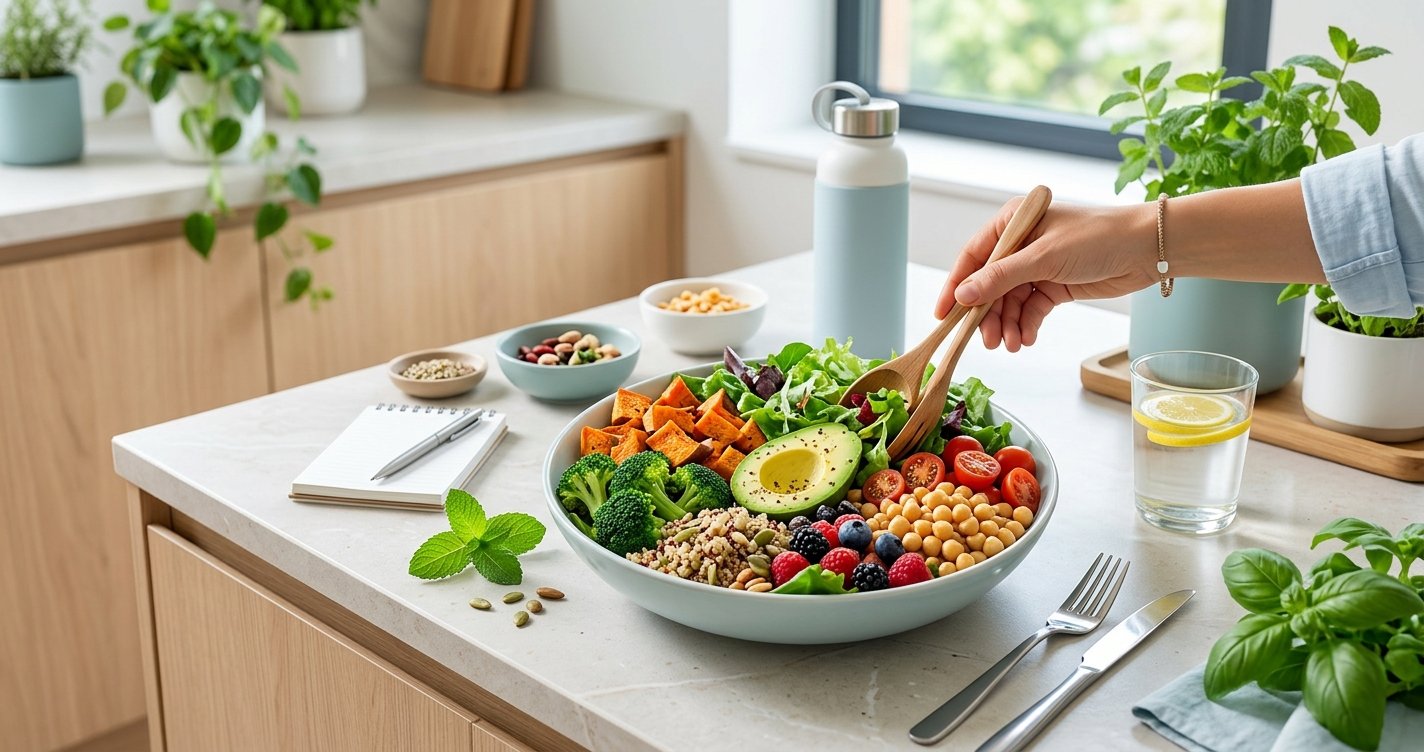
Tired of the endless cycle of crash diets, restrictive eating, and the inevitable rebound? You're not alone. The world of fat loss can feel overwhelming, filled with quick fixes and conflicting advice. But what if we told you there’s a more enjoyable, sustainable, and ultimately more effective path to achieving and maintaining your fat loss goals? It's not about deprivation; it's about smart, evidence-based nutrition that works with your body, not against it.
This isn't another diet plan. This is your friendly, encouraging guide to understanding the fundamental nutritional principles that lead to lasting fat loss. We're talking about building habits that you can stick with for life, fostering a healthier relationship with food, and finally stepping off the yo-yo dieting merry-go-round. Ready to discover how to eat your way to a leaner, healthier, and happier you? Let's dive in! this excellent wellness product
The Foundation: Understanding Your Calorie Deficit (Without Starving!)
At its core, fat loss boils down to one simple principle: consuming fewer calories than your body expends. This is known as creating a calorie deficit. Don't let the term scare you – it doesn't mean starvation! It means making conscious, manageable adjustments to your intake so your body starts tapping into its fat stores for energy.
What is a Calorie Deficit?
Think of it like a bank account. Your body needs a certain amount of energy (calories) each day to function, move, and even just exist. This is your Total Daily Energy Expenditure (TDEE). If you consistently put less energy (food) into your body than it needs to spend, it will start withdrawing from its reserves – which, ideally, are your stored fat cells. A modest deficit of 300-500 calories per day is often recommended, as it's sustainable and allows for gradual, healthy fat loss (typically 1-2 pounds per week).
How to Estimate Your Needs (No Math Degree Required)
While precise calculations can be complex, you don't need to be a mathematician to get started. Online TDEE calculators can give you a good starting estimate, but the best approach is often to start with what you're currently eating, track it for a few days, and then subtly reduce your intake. Focus on small, actionable changes:
- Swap sugary drinks for water.
- Reduce portion sizes slightly.
- Choose leaner protein sources.
- Opt for whole foods over processed snacks.
The key is to find a deficit that leaves you feeling satisfied, not deprived. Listen to your body and adjust as needed.
The Protein Powerhouse: Why It's Your Fat Loss Friend
If there's one macronutrient to prioritize for fat loss, it's protein. It's not just for bodybuilders; protein is an absolute game-changer for anyone looking to shed excess fat effectively and sustainably.
Satiety & Muscle Preservation
Protein is incredibly satiating, meaning it keeps you feeling fuller for longer compared to carbohydrates or fats. This is crucial when you're in a calorie deficit, as it helps curb cravings and reduces the likelihood of overeating. Furthermore, when you lose weight, your body can sometimes lose muscle mass along with fat. Adequate protein intake helps to protect your precious muscle tissue, which is vital because muscle is metabolically active – it burns more calories at rest than fat does. Preserving muscle helps keep your metabolism humming.
How Much Protein Do You Need?
For fat loss, a general guideline is to aim for around 0.7 to 1 gram of protein per pound of your target body weight. This might seem like a lot, but it’s achievable with smart food choices. Incorporate protein into every meal and snack. Excellent sources include:
- Lean Meats: Chicken breast, turkey, lean beef, pork loin.
- Fish & Seafood: Salmon, tuna, cod, shrimp.
- Eggs: A complete protein powerhouse.
- Dairy: Greek yogurt, cottage cheese, milk.
- Legumes & Beans: Lentils, chickpeas, black beans (plant-based).
- Plant-Based Proteins: Tofu, tempeh, edamame, protein powder (whey, casein, soy, pea).
Start your day with a protein-rich breakfast, add protein to your lunch salad, and make it the star of your dinner plate. You'll feel the difference!
The Carb Conundrum: Choosing Wisely for Energy & Fiber
Carbohydrates often get a bad rap in the fat loss world, but they are essential for energy, brain function, and overall health. The key isn't to eliminate them, but to choose the right kinds of carbs that support your goals.
Not All Carbs Are Created Equal
Forget the idea that all carbs are evil. There's a huge difference between a candy bar and a bowl of oatmeal. Focus on complex carbohydrates and those rich in fiber, and limit highly refined and sugary options. Complex carbs provide sustained energy, preventing blood sugar spikes and crashes that can lead to cravings.
Good carb choices for fat loss include:
- Whole Grains: Oats, brown rice, quinoa, whole-wheat bread/pasta.
- Fruits: Berries, apples, bananas (in moderation due to sugar content).
- Vegetables: Broccoli, spinach, sweet potatoes, bell peppers, leafy greens.
The Power of Fiber
Fiber is a superstar for fat loss. It's a type of carbohydrate that your body can't digest, and it plays several crucial roles:
- Satiety: Fiber adds bulk to your meals, helping you feel fuller faster and for longer.
- Digestive Health: It promotes regularity and a healthy gut microbiome.
- Blood Sugar Control: Fiber slows down the absorption of sugar, preventing those energy crashes.
Aim to include plenty of fiber-rich foods like vegetables, fruits, legumes, and whole grains in your daily diet.
Healthy Fats: Essential for Hormones & Fullness
Just like carbs, fats have been demonized, but they are absolutely essential for your health and can even aid in fat loss when chosen wisely and consumed in appropriate portions.
Don't Fear the Fat!
Fats play vital roles in hormone production, nutrient absorption (especially for fat-soluble vitamins like A, D, E, and K), and brain function. Furthermore, fats contribute significantly to satiety and the palatability of your meals, making your healthy eating plan more enjoyable and sustainable.
Smart Fat Choices
The type of fat matters. Focus on unsaturated fats, and moderate your intake of saturated fats. Avoid trans fats entirely. Because fats are calorie-dense (9 calories per gram compared to 4 for protein and carbs), portion control is crucial. A little goes a long way!
Excellent sources of healthy fats include:
- Avocado: Rich in monounsaturated fats.
- Nuts & Seeds: Almonds, walnuts, chia seeds, flaxseeds, pumpkin seeds.
- Olive Oil: A staple of the Mediterranean diet.
- Fatty Fish: Salmon, mackerel, sardines (rich in Omega-3s).
Remember, a small handful of nuts or a drizzle of olive oil is sufficient. These healthy fats will keep you feeling satisfied and support your body's essential functions.
Beyond Macros: Hydration, Mindful Eating & Consistency
While macronutrients (protein, carbs, fats) are critical, sustainable fat loss involves more than just counting numbers. Lifestyle factors like hydration, how you eat, and your overall consistency are equally important.
Water: Your Unsung Hero
Staying adequately hydrated is often overlooked but profoundly impacts fat loss. Water helps your metabolism function efficiently, can suppress appetite (sometimes thirst is mistaken for hunger!), and is crucial for overall bodily functions. Aim for at least 8 glasses a day, and even more if you're active.
- Drink a glass of water before each meal.
- Keep a water bottle handy throughout the day.
- Add a slice of lemon or cucumber for flavor.
Mindful Eating: Savoring Your Way to Success
Mindful eating is about paying attention to your food – its taste, texture, and aroma – and listening to your body's hunger and fullness cues. In our fast-paced world, it's easy to eat quickly and distractedly, leading to overconsumption.
- Eat slowly, putting your fork down between bites.
- Chew your food thoroughly.
- Eliminate distractions (phones, TV) during meals.
- Check in with your hunger levels before, during, and after eating.
This practice helps you enjoy your food more and naturally regulates your intake, preventing you from eating past the point of comfortable fullness.
The Magic of Consistency (It's Not a Diet, It's a Lifestyle!)
Perhaps the most crucial ingredient for sustainable fat loss is consistency. It's not about being perfect; it's about being consistent most of the time. One 'bad' meal or even a 'bad' day won't derail your progress. What matters are the habits you build and maintain over weeks, months, and years. Embrace the journey, understand that progress isn't linear, and view slip-ups as learning opportunities, not failures.
Sustainable fat loss isn't about rigid rules; it's about developing a flexible framework that allows for enjoyment, social occasions, and the occasional treat, while still aligning with your overall goals. It's a lifestyle change, not a temporary fix.
Putting It All Together: Your Sustainable Nutrition Blueprint
Embarking on a sustainable fat loss journey through nutrition is about empowerment, not deprivation. It's about making informed choices that nourish your body, fuel your energy, and support your goals without feeling like a punishment. Remember these key takeaways:
- Calorie Deficit is King: But make it a gentle, sustainable one.
- Prioritize Protein: For satiety and muscle preservation.
- Choose Smart Carbs: Focus on fiber-rich whole grains, fruits, and vegetables.
- Embrace Healthy Fats: In moderation, for hormones and fullness.
- Hydrate: Water is your silent partner in fat loss.
- Practice Mindful Eating: Listen to your body's signals.
- Be Consistent, Not Perfect: Small, daily actions lead to big, lasting results.
This isn't about a race to the finish line; it's about building a foundation for lifelong health and well-being. By focusing on these evidence-based nutrition strategies, you're not just losing fat; you're gaining energy, confidence, and a sustainable approach to a healthier, happier you. You've got this!