Beyond the Quick Fix: Your Ultimate Guide to Sustainable Nutrition for Lasting Fat Loss
Are you tired of the endless cycle of restrictive diets, rapid weight loss, and inevitable rebound? You're not alone. The world of fat loss is often clouded by quick fixes, extreme cleanses, and celebrity-endorsed fads that promise miraculous results but rarely deliver long-term success. The truth is, sustainable fat loss isn't about deprivation; it's about smart, consistent, and enjoyable nutrition choices that fit into your life – not turn it upside down.
This comprehensive guide will empower you with evidence-based strategies to build a nutrition plan that not only helps you shed unwanted fat but also improves your overall health, boosts your energy, and transforms your relationship with food. No more yo-yo dieting, no more guilt – just a clear, friendly, and encouraging path to a healthier, happier you. Let's dive in! this excellent wellness product
Why Fad Diets Fall Short: The Sustainability Secret
Before we build a sustainable plan, let's understand why so many popular diets fail. Most fad diets are built on extreme restriction, cutting out entire food groups, or demanding rigid meal timing. While these might lead to initial weight loss (often water weight and muscle, not just fat), they're inherently unsustainable. You can't stick to them forever, and when you inevitably 'fall off the wagon,' the weight often returns, sometimes with extra.
The problem isn't your willpower; it's the diet itself. These approaches often lead to nutrient deficiencies, metabolic slowdown, intense cravings, and a negative psychological impact. Sustainable fat loss, on the other hand, prioritizes balance, flexibility, and enjoyment, making it a lifestyle you can maintain indefinitely. It's about creating habits that serve you, not punishing yourself.
The Foundation of Fat Loss: Understanding Your Calorie Sweet Spot
At its core, fat loss boils down to one fundamental principle: consuming fewer calories than your body expends. This is known as a calorie deficit. While the idea of counting every single calorie can feel overwhelming, understanding this principle is crucial, and you don't need to become a human calculator.
Your body needs a certain amount of energy (calories) to function each day, even at rest. This is your Total Daily Energy Expenditure (TDEE). To lose fat, you need to eat slightly less than your TDEE. Instead of strict counting, focus on making smarter food choices that naturally reduce your caloric intake while keeping you full and nourished. Think nutrient-dense foods over calorie-dense, processed options. Small, consistent adjustments add up significantly over time.
Fueling Your Body Right: The Power of Macronutrients
Not all calories are created equal. The source of your calories – protein, fats, and carbohydrates (macronutrients) – plays a huge role in satiety, energy levels, and body composition.
- Protein: Your Satiety & Muscle Guardian
Protein is your best friend when it comes to fat loss. Research consistently shows that a higher protein intake can boost metabolism, reduce appetite, and help preserve lean muscle mass during a calorie deficit. This is vital because muscle burns more calories at rest than fat, making it an ally in your fat loss journey.
Aim for a lean protein source with every meal: chicken breast, turkey, fish, lean beef, eggs, Greek yogurt, cottage cheese, tofu, lentils, or beans. Not only does it keep you feeling fuller for longer, but its thermic effect means your body burns more calories digesting protein compared to fats or carbs.
- Healthy Fats: Essential for Function & Flavor
For years, fat was demonized, but we now know that healthy fats are essential for hormone production, nutrient absorption, and overall health. They also contribute significantly to satiety and the palatability of your meals, making your diet more enjoyable and sustainable.
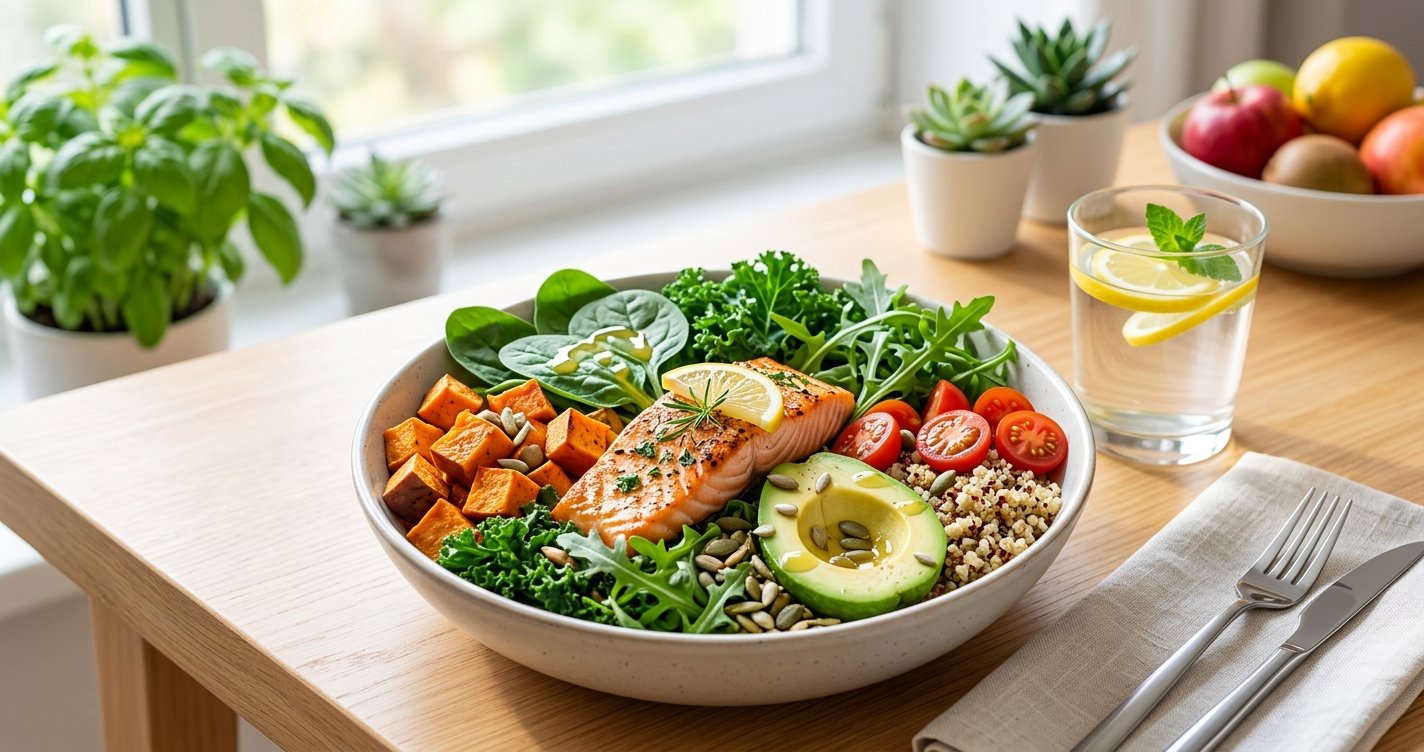
Focus on sources like avocados, nuts (almonds, walnuts), seeds (chia, flax), olive oil, fatty fish (salmon, mackerel), and whole eggs. While healthy, fats are calorie-dense, so portion control is still key. A small handful of nuts or a drizzle of olive oil is often sufficient.
- Smart Carbs: Fueling Your Energy & Fiber Intake
Carbohydrates are your body's primary energy source. The key is choosing the right kind. Opt for complex carbohydrates rich in fiber, which provide sustained energy, aid digestion, and contribute to fullness. These include whole grains (oats, quinoa, brown rice, whole-wheat bread), fruits, and vegetables.
Limit refined carbohydrates like white bread, sugary drinks, pastries, and candies. These offer quick energy spikes followed by crashes, leading to cravings and often overeating. Think of carbs as fuel: choose the slow-burning, high-octane kind!
Master Your Meals: Portion Awareness & Mindful Eating
Even with the right foods, portion sizes can make or break your fat loss efforts. Learning to manage your portions and eat mindfully are powerful skills for sustainable success.
Practical Portion Guides for Everyday Success
You don't need a food scale for every meal. Use simple hand cues to gauge appropriate portion sizes:
- Protein: A palm-sized serving (e.g., chicken breast, fish).
- Vegetables: As many as you can fit in two cupped hands – load up on these!
- Carbohydrates: A cupped hand or a clenched fist (e.g., rice, pasta, potato).
- Fats: A thumb-sized portion (e.g., nuts, avocado, cheese).
These are general guidelines, but they provide an excellent starting point for building balanced meals without obsession.
Reconnect with Your Body: The Art of Mindful Eating
Mindful eating is about paying attention to your food, your body's hunger and fullness cues, and the entire eating experience. It helps prevent overeating and fosters a healthier relationship with food.
- Slow Down: Put your fork down between bites.
- Savor Each Bite: Notice the flavors, textures, and aromas.
- Eliminate Distractions: Turn off the TV, put away your phone.
- Listen to Your Body: Eat when you're hungry, stop when you're comfortably full, not stuffed.
Practicing mindfulness can significantly impact your caloric intake and your overall satisfaction with your meals.
Beyond Food: The Critical Roles of Hydration and Fiber
Often overlooked, water and fiber are unsung heroes in any fat loss journey.
- Hydration: Drinking enough water (at least 8 glasses a day) is vital. Water aids metabolism, helps transport nutrients, and can even help you feel fuller, reducing the urge to snack unnecessarily. Sometimes, what feels like hunger is actually thirst.
- Fiber: Found in fruits, vegetables, whole grains, and legumes, fiber adds bulk to your diet without adding many calories. It promotes gut health, stabilizes blood sugar levels, and extends feelings of fullness, making it an invaluable tool for managing appetite.
Setting Yourself Up for Success: Planning & Preparation
Spontaneity can be fun, but when it comes to nutrition for fat loss, a little planning goes a long way. Meal planning and preparation are cornerstone habits for sustainable success.
- Weekly Meal Planning: Take an hour each week to plan your meals and snacks. This helps you make healthier choices, ensures you have the right ingredients, and reduces stress during busy weekdays.
- Smart Grocery Shopping: Shop with a list based on your meal plan. Focus on the perimeter of the grocery store (fresh produce, lean meats, dairy) and limit processed foods in the inner aisles.
- Batch Cooking/Meal Prep: Dedicate a few hours on a weekend to cook larger batches of staples like grilled chicken, roasted vegetables, or quinoa. This makes assembling healthy meals quick and easy during the week, preventing reliance on less healthy takeout options.
Navigating Life's Challenges: Social Events & Cravings
Life happens! There will be social gatherings, holidays, and moments of intense cravings. Sustainable fat loss isn't about perfection; it's about consistency and having strategies for these situations.
- The 80/20 Rule: Aim to eat healthily 80% of the time, allowing for a little flexibility (the other 20%) for treats or social occasions. This approach prevents feelings of deprivation and makes your plan more realistic.
- Smart Choices When Eating Out: Look for grilled or baked options, ask for sauces on the side, load up on vegetables, and don't be afraid to ask for modifications.
- Managing Cravings: Identify triggers. Sometimes, a craving isn't hunger; it's boredom, stress, or thirst. Try distracting yourself, drinking water, or opting for a healthier alternative. If you do indulge, do so mindfully and in a controlled portion.
The Long Game: Consistency Trumps Perfection for Lasting Results
Remember, fat loss is a journey, not a destination. There will be days when you make perfect choices and days when you stumble. That's absolutely okay! The most successful people aren't those who are perfect; they're those who are consistent and resilient.
Don't let a single 'bad' meal or day derail your entire progress. Acknowledge it, learn from it, and get right back on track with your next meal. Celebrate small victories, focus on how you feel, and understand that true, lasting change takes time and patience.
Your Sustainable Fat Loss Journey Starts Now
Embracing sustainable nutrition for fat loss is about making choices that nourish your body, fuel your mind, and fit seamlessly into your life. It's about empowering yourself with knowledge and practical strategies, not succumbing to restrictive diets that leave you feeling hungry and defeated. You have the power to transform your health and achieve lasting results by focusing on whole foods, understanding your body's needs, and cultivating mindful habits.
Start small, be patient with yourself, and remember that every healthy choice is a step towards a stronger, healthier, and happier you. You've got this!