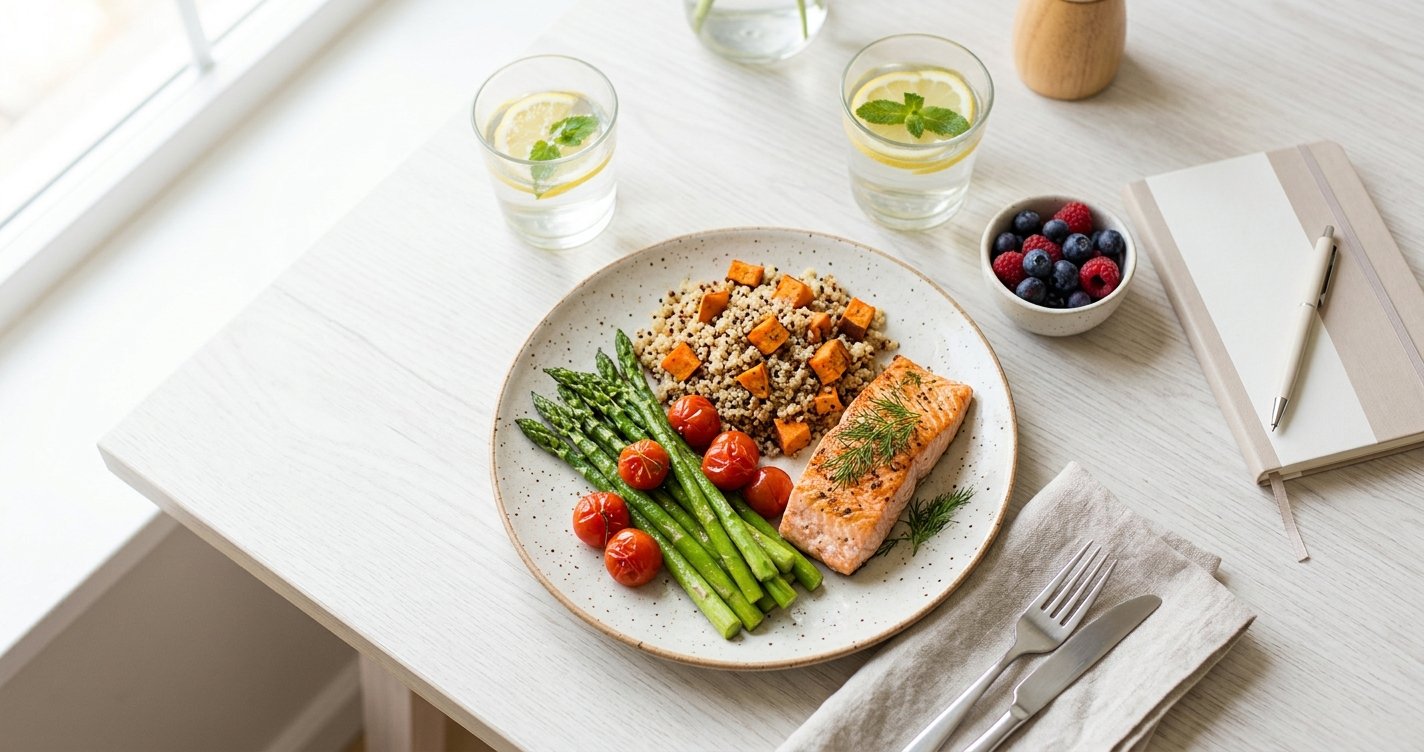
Are you tired of the endless cycle of restrictive diets, quick fixes, and the frustration of losing weight only to gain it back? You're not alone. Many people embark on fat loss journeys with the best intentions, only to find themselves burnt out and discouraged. The good news? Sustainable fat loss isn't about deprivation; it's about building lasting nutritional habits that nourish your body, fuel your energy, and lead to permanent results.
This comprehensive guide will cut through the noise, offering evidence-based strategies to help you achieve your fat loss goals without sacrificing your sanity or your favorite foods entirely. We'll explore the fundamental principles of nutrition for fat loss, focusing on practical, actionable steps you can integrate into your everyday life. Get ready to transform your relationship with food and unlock a healthier, happier you! this excellent wellness product
The Cornerstone of Fat Loss: Understanding the Calorie Deficit
Let's start with the non-negotiable truth: to lose fat, you must consume fewer calories than your body expends. This is known as a calorie deficit. While it sounds simple, many people overcomplicate or misunderstand this fundamental principle.
What is a Calorie Deficit?
Your body constantly burns calories to perform basic functions (breathing, circulation) and through physical activity. This total is your Total Daily Energy Expenditure (TDEE). To lose fat, your daily caloric intake needs to be consistently below your TDEE. A common recommendation for sustainable fat loss is a deficit of 300-500 calories per day, which typically results in 1-2 pounds of fat loss per week.
- Don't Drastically Cut: Extremely low-calorie diets can be detrimental, leading to muscle loss, nutrient deficiencies, and metabolic slowdown. Aim for a moderate, sustainable deficit.
- Track (Initially): For a week or two, consider tracking your food intake using an app. This isn't forever, but it helps you understand your current eating habits and identify areas for adjustment.
- Listen to Your Body: Once you understand portion sizes and calorie density, you can often transition away from strict tracking and rely on mindful eating.
Macronutrients Matter: Fueling Your Body for Fat Loss
While total calories are king for fat loss, the composition of those calories—your macronutrients (protein, carbohydrates, and fats)—plays a crucial role in satiety, muscle preservation, and overall health.
Protein: Your Best Friend for Fat Loss
Protein is arguably the most important macronutrient when you're aiming for fat loss. Here's why:
- Satiety: Protein is incredibly filling, helping you feel fuller for longer and reducing cravings.
- Muscle Preservation: When in a calorie deficit, your body can break down muscle tissue for energy. Adequate protein intake helps preserve lean muscle mass, which is vital for maintaining a healthy metabolism.
- Thermogenic Effect: Protein requires more energy to digest and metabolize compared to carbs and fats, slightly increasing calorie expenditure.
Aim for: 0.7-1 gram of protein per pound of body weight (or 1.6-2.2 grams per kilogram). Include a protein source with every meal and snack.
Good sources: Lean meats, poultry, fish, eggs, dairy (Greek yogurt, cottage cheese), legumes, tofu, tempeh, protein powder.
Carbohydrates: Energy and Fiber
Carbohydrates are your body's primary energy source. Don't fear them; choose them wisely.
- Complex Carbs: Focus on whole, unprocessed carbs rich in fiber. Fiber promotes satiety, aids digestion, and helps regulate blood sugar levels.
- Timing: While not strictly necessary, consuming complex carbs around your workouts can provide sustained energy.
Good sources: Whole grains (oats, quinoa, brown rice, whole-wheat bread), fruits, vegetables, sweet potatoes, legumes.
Healthy Fats: Essential for Health and Satiety
Fats are crucial for hormone production, nutrient absorption, and cell function. They also contribute to satiety, but are calorie-dense, so portion control is key.
- Unsaturated Fats: Prioritize monounsaturated and polyunsaturated fats.
- Omega-3s: Ensure adequate intake of omega-3 fatty acids for their anti-inflammatory benefits.
Good sources: Avocados, nuts, seeds, olive oil, fatty fish (salmon, mackerel).
Embrace Whole Foods: The Power of Nature's Best
One of the most impactful shifts you can make for sustainable fat loss is to prioritize whole, unprocessed foods. These foods are generally lower in calories, higher in nutrients, and more satisfying than their processed counterparts.
Why Whole Foods are Your Secret Weapon:
- Nutrient Density: Whole foods are packed with vitamins, minerals, antioxidants, and fiber that support overall health and proper bodily function.
- Satiety & Fiber: The high fiber content in fruits, vegetables, and whole grains fills you up, reducing the likelihood of overeating.
- Lower Calorie Density: You can eat a larger volume of whole foods for fewer calories compared to processed snacks, which often contain hidden sugars and unhealthy fats.
- Stable Blood Sugar: Whole foods, especially those rich in fiber, lead to a slower, more sustained release of glucose into the bloodstream, preventing energy crashes and cravings.
Practical Tip: Shop the perimeter of the grocery store where fresh produce, lean meats, and dairy are typically located. Limit your trips down the center aisles filled with packaged goods.
Mastering Meal Planning and Preparation for Consistency
Consistency is key for fat loss, and meal planning is your secret weapon. Without a plan, it's easy to succumb to convenience foods or unhealthy choices when hunger strikes.
Strategies for Effective Meal Prep:
- Plan Your Week: Dedicate some time each week (e.g., Sunday afternoon) to plan your meals and snacks. Consider your schedule and potential challenges.
- Batch Cook: Prepare larger quantities of staples like cooked chicken, roasted vegetables, brown rice, or quinoa. These can be mixed and matched throughout the week.
- Portion Control: Pre-portioning your meals into containers can help you stay within your calorie targets and avoid overeating.
- Healthy Snacks Ready: Keep healthy snacks like fruit, Greek yogurt, nuts, or veggie sticks readily available to prevent impulsive unhealthy choices.
- Simplify: Don't try to cook gourmet meals every day. Focus on simple, nutritious recipes that you enjoy and can easily repeat.
Hydration, Mindful Eating, and Understanding Hunger Cues
Beyond what you eat, how you eat and drink plays a significant role in your fat loss journey.
The Importance of Water:
Water is essential for every bodily function, and it can significantly aid fat loss:
- Satiety: Sometimes, thirst is mistaken for hunger. Drinking a glass of water before meals can help you feel fuller and potentially eat less.
- Metabolism: Adequate hydration supports metabolic processes.
- Energy: Dehydration can lead to fatigue, which might make you less likely to be active.
Aim for: 8-10 glasses of water per day, and more if you're active.
Practice Mindful Eating:
Mindful eating is about paying attention to your food, your body's signals, and the experience of eating. It helps you recognize true hunger and fullness.
- Eat Slowly: It takes about 20 minutes for your brain to register that you're full. Savor each bite.
- Eliminate Distractions: Avoid eating in front of screens. Focus on your meal.
- Listen to Your Body: Eat when you're truly hungry, and stop when you're comfortably full, not stuffed.
- Identify Emotional Eating: Learn to differentiate between physical hunger and eating out of boredom, stress, or other emotions.
Navigating Challenges and Building Sustainable Habits
Your fat loss journey won't always be a straight line. There will be plateaus, social events, and moments of temptation. The key to sustainable success is learning how to navigate these challenges.
Handling Plateaus:
When your weight loss stalls, don't despair. Your body is adapting. Re-evaluate your calorie intake, ensure you're still in a deficit, increase your activity, or consider a "diet break" for a week or two to reset.
Social Situations and Eating Out:
You don't have to become a hermit. Plan ahead:
- Pre-Eat: Have a healthy snack before going to an event or restaurant.
- Make Smart Choices: Look for grilled or baked options, ask for dressings on the side, and don't be afraid to customize your order.
- Practice Moderation: Enjoy a small portion of a treat, but don't let it derail your entire day or week.
Building Habits, Not Restrictions:
True sustainability comes from integrating healthy eating into your lifestyle, not from temporary deprivation. Focus on making small, consistent changes that become second nature. Celebrate small victories, learn from setbacks, and be patient with yourself.
Your Path to Permanent Fat Loss Starts Now
Sustainable fat loss is a journey, not a destination. It's about cultivating a healthy relationship with food, understanding your body's needs, and making informed choices that support your well-being. By focusing on a moderate calorie deficit, prioritizing protein and whole foods, mastering meal planning, and practicing mindful eating, you're not just losing weight—you're building a foundation for a healthier, more vibrant life.
Remember, progress over perfection. Be kind to yourself, stay consistent, and trust the process. You have the power to achieve lasting results and feel amazing in your own skin. Start implementing these strategies today, and watch as you transform your body and your life, one sustainable habit at a time.